


Sleeping Bags That Zip Together: Ultimate Couples' Guide

You're probably here because you've had the same campsite thought a lot of couples have. Two people crawl into separate bags after a long day outside, then spend half the night trying to close the gap between them. One person gets cold shoulders. The other keeps sliding off their pad. By morning, the setup worked, but it didn't feel smart, compact, or especially comfortable.
That's why sleeping bags that zip together keep coming up for couples, van-lifers, and travel partners who want a warmer, more connected sleep system without committing to one oversized bag for every trip. The idea is appealing for good reason. You can often keep the flexibility of individual bags while gaining the comfort of a shared setup.
For space-conscious travelers, that flexibility matters. A system that works for a weekend car camp, a minimalist van build, and the occasional solo trip is usually more useful than gear that only shines in one setting. That same mindset shows up across smart travel choices. Packable, reusable gear tends to earn its place because it adapts instead of taking over your storage.
The Cozy Camper's Dilemma Sharing Warmth on the Trail
A common trail-night problem looks like this. One partner sleeps warm, the other sleeps cold. You each bring your own sleeping bag because that's the simplest packing move, but once the temperature drops, the two-bag setup starts to feel inefficient. There's a cold strip between pads, and every time someone turns over, that little gap reminds you that “close enough” isn't the same as comfortable.
A zip-together setup solves that for a lot of people. It creates a shared sleeping space without forcing you into one giant, permanently paired bag. For couples who split time between backpacking, road trips, and casual campground nights, that versatility is the main draw. Use one bag on a solo trip. Zip two together when you're traveling as a pair.
Sleeping close changes the feel of a camp night. The sleep system stops being two separate pieces of gear and starts working like one shared shelter inside the shelter.
There's also a practical warmth angle. Outdoor guidance notes that a zipped-together setup is designed for two bodies and can improve warmth retention compared with sleeping alone in a single bag, one reason couples and expedition partners use this style of system, as discussed in CyclingAbout's guide to zipping sleeping bags together.
Why this appeals to smart travelers
The appeal isn't just romance or novelty. It's efficiency.
When your gear has to justify its space, dual-use equipment wins. Two compatible bags can cover solo overnights, partner travel, guest sleeping arrangements, and van life without making you store a bulky dedicated double bag year-round. That's a solid fit for eco-minded travelers too. Buying fewer single-purpose items usually means less clutter, longer use cycles, and better odds that gear gets used instead of forgotten in a closet.
Where people get tripped up
The catch is simple. Not all sleeping bags zip together. Plenty of campers assume any two bags with zippers can pair up. That's where frustration starts.
The main decision isn't just whether sharing a bag sounds cozy. It's whether your chosen setup will connect cleanly, lie flat on your pads, and stay warm through the night.
How to Pair Sleeping Bags The Zipper Mating Game
The first rule is easy to remember. One bag needs a left-hand zipper and the other needs a right-hand zipper. This is comparable to two halves of a jacket closure. If both bags are built the same way, they won't mate properly.

That's the widely known part. The part they miss is that orientation alone doesn't solve compatibility.
What actually has to match
Reliable coupling also depends on zipper type and zipper size. Big Agnes notes that sleeping bags need the same size and matching zipper type, and the zipper gauge is often stamped on the slider as #3, #5, or #8. If those dimensions differ, the bags may not mate cleanly or may separate under load while you move in your sleep, according to Big Agnes support guidance on mating two sleeping bags.
That last part matters more than it sounds. A connection that seems fine in your living room can fail after a few tosses and turns when fabric tension pulls sideways on the zipper.
Here's the practical checklist I'd use before a trip:
- Check handedness first: One left zip and one right zip.
- Inspect the slider: Look for the stamped gauge such as #3, #5, or #8.
- Match zipper construction: If the zipper type differs, don't assume it will work.
- Compare zipper length: Similar lengths usually give better coverage and fewer awkward gaps.
- Test the full zip at home: Don't stop after connecting the first few inches.
Practical rule: If you have to force the zipper, the system is wrong. A proper pair should engage smoothly without tugging, twisting, or “almost fitting.”
Why bag dimensions still matter
Even if the zipper connects, the rest of the bag has to cooperate. If one bag is cut much narrower or shorter than the other, the combined shape can feel off-balance. One sleeper ends up with extra room, the other gets pinned against a seam, and the center line becomes a weak spot instead of a comfort upgrade.
Sleeping pad setup matters too. Outdoor guidance notes that using mats of the same thickness helps avoid gaps and cold spots in a shared system. If one sleeper is perched higher on a thick inflatable and the other is lower on a thinner pad, the zipped bags can twist or bridge awkwardly.
Best approach when shopping
If you're buying new, the safest move is to shop intentionally for compatibility instead of hoping two separate bags will pair later.
A clean process looks like this:
- Start with a pairing plan, not a single bag.
- Confirm opposite zipper orientation before you compare colors, insulation, or shape.
- Verify zipper details in the specs or with the brand if the retailer page is vague.
- Lay out your pad system too, especially if you use inflatable pads with different heights.
- Do a full overnight test at home before the trip that matters.
That last step saves a lot of miserable camp nights.
Two Bags or One The Great Sleeping Debate
Once you know a zip-together setup can work, the question becomes whether it's the right system for your style of travel. For some couples, modularity is the whole point. For others, a dedicated double bag is more comfortable and less fussy.

When two compatible bags make more sense
The biggest advantage of two bags is flexibility. You can split them for solo trips, loan one to a friend, or pair different warmth preferences if each person already knows what they like. For couples who don't always camp together, this is often the most sensible route.
There's also a backpacking angle. An independent review of the Zpacks 20F Zip Around reported a total packed weight of 23.9 oz, including a 0.9 oz stuff sack, and noted 900-fill treated goose down, as covered in this Zpacks Zip Around review. That's a good reminder that zip-capable systems aren't limited to bulky campground gear. They now reach into the ultralight category too.
When a dedicated double bag wins
A dedicated double bag usually feels simpler. One item. One shape. No center seam negotiation. No wondering whether one zipper will creep open in the night. For car camping couples who care more about a bed-like feel than modularity, that simplicity is hard to beat.
Current double-bag favorites highlighted in outdoor retail coverage include the Nemo Jazz Duo, The North Face Dolomite One, Big Agnes Dream Island, Kelty Tru.Comfort Doublewide, and Coleman Tandem 3-in-1. Those products reflect a pretty mature split in the market between modular pairing systems and comfort-first double bags.
A side-by-side way to decide
| Setup | Best for | Main strength | Main trade-off |
|---|---|---|---|
| Zip-together bags | Backpackers, mixed solo and couple use, modular packers | Adaptable for different trip styles | Requires careful compatibility and setup |
| Dedicated double bag | Car campers, van-lifers, couples who always sleep together outdoors | Seamless shared comfort | Bulkier and less useful on solo trips |
If you camp in different ways across the year, versatility usually pays off. If every trip is a drive-up night with the same partner, comfort-first gear often feels worth the space.
My practical take
For backpacking or mixed travel, I'd lean toward two compatible bags. You get more ways to use the same gear, and you're not stuck carrying a system built only for two-person sleep.
For car camping and many van setups, a double bag is often the better lifestyle choice. The storage penalty matters less, and the easier bedtime routine matters more.
Choosing Your Perfect Pair Key Features to Look For
Good pairings aren't just about zippers. They're about whether two people can sleep well inside the combined system. That means looking at warmth, insulation behavior, shape, and fit together instead of treating each bag like an isolated purchase.
Fit matters more than most people expect
Some brands make pairing sound easier than it is. In practice, body size, pad thickness, and model-specific rules all affect whether the shared bag feels cozy or cramped. NEMO's product documentation points to real-world issues around sizing for different body types and sleeping pads, including the fact that some brands use gendered pairings or only allow certain lines to mate. The more useful question is whether the final setup fits two sleepers comfortably without cold spots or zipper stress, especially for taller users or people on thick inflatable mats. That's discussed in NEMO's overview of sleeping bags that zip together.
A few fit checks are worth doing before you buy:
- Shoulder room: Two narrow mummy bags can technically zip together and still feel restrictive.
- Length balance: If one sleeper is tall, don't assume “regular” paired with “regular” will be comfortable enough.
- Pad height: Uneven pad thickness can pull the lower fabric sideways.
- Sleeping style: Side sleepers usually need more practical room than back sleepers.
Insulation and shape trade-offs
Insulation choice changes how the system packs and behaves. Down usually appeals to travelers who care about compact packing. Synthetic often makes sense for damp climates, casual camping, or people who prioritize easier care over smallest packed size.
Bag shape matters just as much. Mummy bags usually hold warmth better, but when zipped together they can still feel tapered through the footbox and torso. Rectangular bags often feel roomier and more natural for couples, though they can be less efficient in colder conditions.
If you're trying to sort out warmth choices for colder trips, HYDAWAY's article on sleeping bag choices for extreme cold is a useful companion read because it helps frame insulation and temperature trade-offs in a more conditions-first way.
Before buying, it helps to watch a few setup examples and see how bag shapes behave in real use.
What I'd prioritize in order
If I were choosing a pair from scratch, my order would be:
- Comfortable combined fit
- Pad compatibility
- Warmth suited to the coldest likely trip
- Packability for your travel style
- Fabric and care needs
That order keeps you from buying a technically compatible pair that still sleeps poorly.
Practical Tips for Van-Lifers and Travelers
Space changes the way you judge sleeping gear. In a van, small cabin, or tightly packed trunk, the question isn't only “Will this sleep well?” It's also “How fast can I pack it, dry it, store it, and use it again tomorrow?”
Pack for flexibility, not for showroom neatness
A lot of couples roll both bags into one big bundle because it looks tidy. That's rarely the most useful method on the road. Two separate stuff sacks or compression sacks are easier to move around a van, easier to split between backpacks, and easier to dry if one side gets damp.
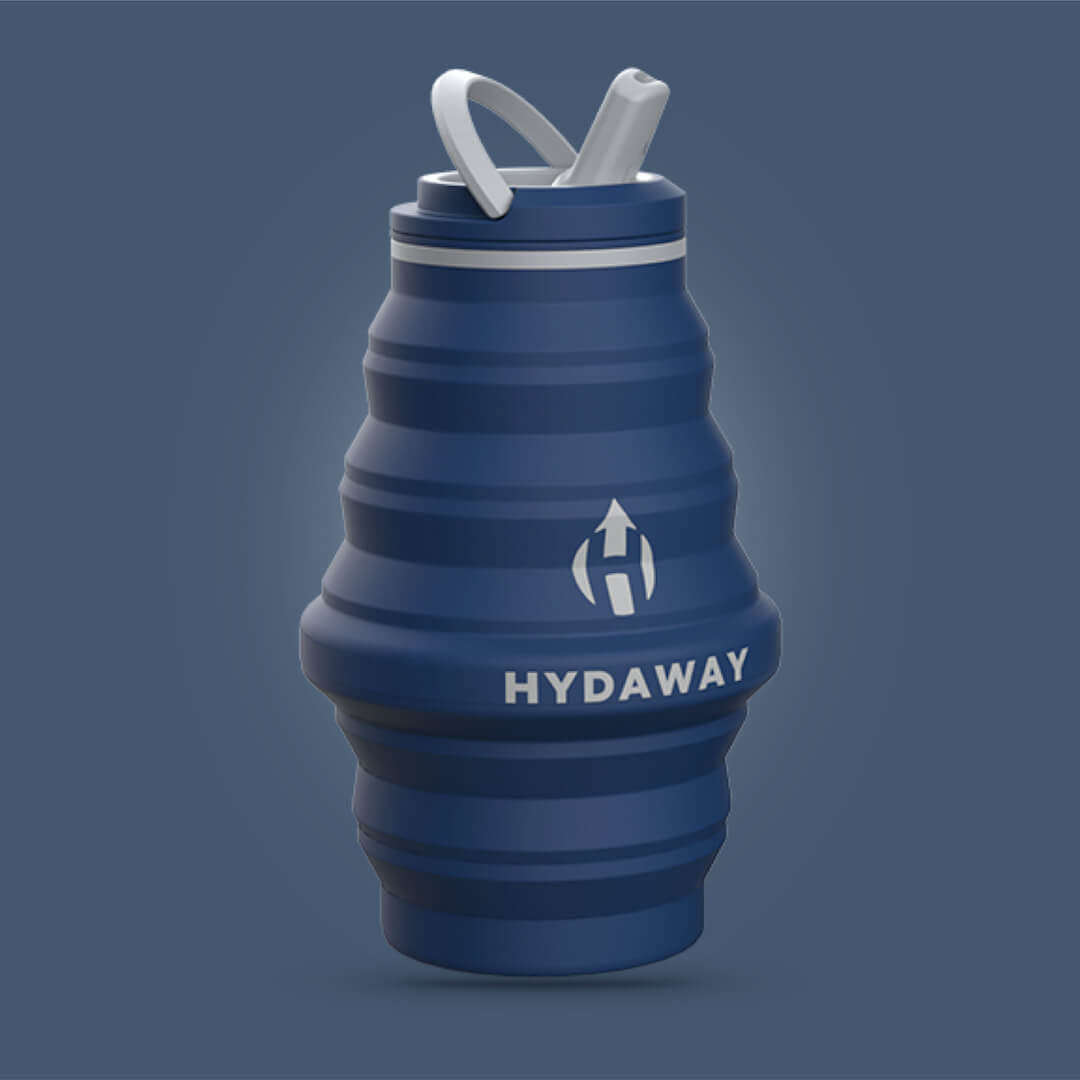
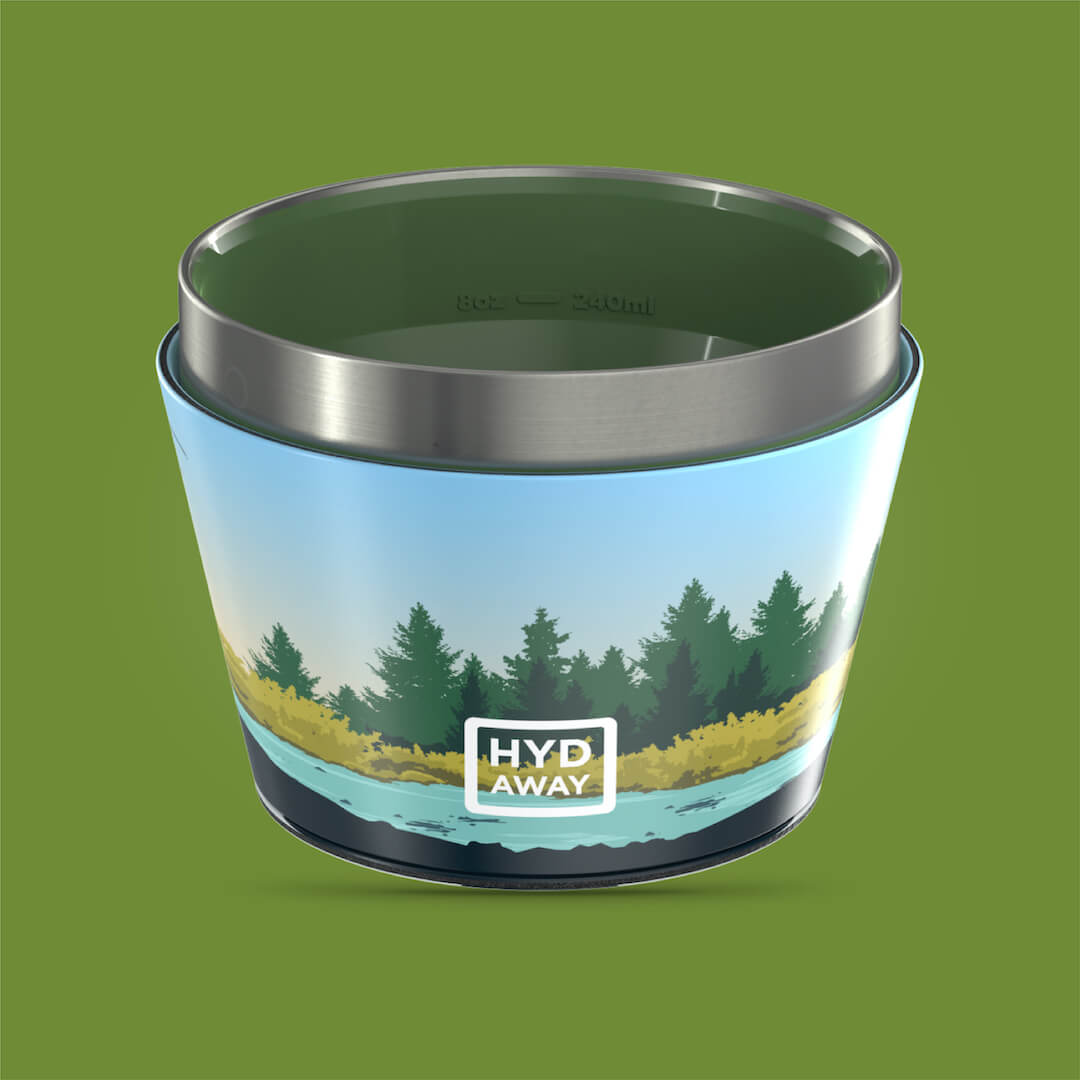
That same thinking applies to the rest of camp organization. A collapsible item earns its keep because it disappears when you don't need it. A compact bowl or bottle can free up room for bedding, layers, or food without turning your storage into a gear avalanche. That's where a single mention of a practical item makes sense. A HYDAWAY collapsible bowl or bottle fits the same pack-smart philosophy as a modular sleep system. It reduces dead space when you're living out of a backpack or van.
Keep the system warmer in real use
If your pair isn't perfect, don't scrap it immediately. Adapt it.
- Use one bag as a quilt: If two bags won't mate cleanly, unzip one fully and drape it over both sleepers.
- Match pad height as closely as possible: That often fixes more comfort issues than tweaking the bags themselves.
- Assign sides intentionally: Put the more restless sleeper in the bag with a little more internal room.
- Vent from the top, not the middle: Center gaps create colder drafts than controlled top venting.
A shared sleep system works best when the whole platform is stable. Bags, pads, and sleepers all affect the result.
Care and storage that actually prolong gear life
Don't store sleeping bags compressed for long periods if you can avoid it. Air them out after trips. Dry them fully before stuffing them into bins or van compartments. Spot cleaning often handles minor grime better than over-washing.
For van-lifers who care about gear that lasts and feels good to live with, material quality matters outside the sleep system too. If you're building a cozier mobile setup, heirloom quality textile craftsmanship is a useful reference point for how thoughtful soft goods can shape comfort in a compact space.
A broader packing system helps too. HYDAWAY's guide to van life essentials is worth a look if you're trying to make your whole setup more space-efficient instead of solving each storage problem one at a time.
A quick routine that saves headaches
Try this after every trip:
- Separate the bags as soon as you get home
- Hang or drape them until fully dry
- Check zippers for grit or bent teeth
- Store loosely when possible
- Re-test the pair before the next major trip
That routine is simple, and it prevents a lot of avoidable failures.
Your Zip-Together Sleeping Bag Checklist
The best setup is the one that fits the way you travel. Not the one that looks best online, and not the one that only works on ideal-weather weekends. A good pair should feel easy to use, easy to pack, and worth bringing on more than one type of trip.

Run through these questions before you buy or before you rely on a pair in the field:
- Do we want flexibility for solo trips too? If yes, two compatible bags may beat a dedicated double.
- Have we confirmed zipper compatibility? Don't assume visual similarity means functional pairing.
- Will the combined fit work for our body sizes and sleep positions?
- Are our sleeping pads close enough in height and feel to avoid gaps?
- Does the bag shape match how we sleep? Narrow cuts can feel restrictive once joined.
- Will this pack cleanly into our actual travel setup? Backpack, van bin, and car trunk all create different constraints.
- Are we buying for long-term use? Reusable, well-maintained gear usually serves sustainable travel better than replacing mismatched pieces later.
Test the whole sleep system before the trip. Not just the zippers. Pads, fit, entry, venting, and midnight movement all matter.
If you already own down gear, it's worth brushing up on care before you start depending on it as your shared system. HYDAWAY's guide to cleaning down sleeping bags can help you keep insulation performing well over time.
A thoughtful setup turns shared camp nights into one of the best parts of the trip. The right choice isn't just warmer. It's easier to live with, easier to pack, and more aligned with the kind of low-waste, smart-travel habits that make outdoor life feel simpler.
If you like gear that works harder without taking over your pack, take a look at HYDAWAY. Its collapsible bottles, bowls, tumblers, and compact travel accessories fit the same practical mindset behind a modular sleep system: carry less bulk, reuse what lasts, and keep your setup flexible for the next trail, campsite, or van stop.