


Your Ultimate Skiing Packing Checklist (2026 Edition)

You know the feeling. The trip is booked, the snow report looks promising, and your floor is disappearing under jackets, gloves, chargers, and a suspicious pile of “maybe” clothes. Then the main stress kicks in. Not skiing itself. Packing for the parts around skiing.
The best ski trips usually fall apart at the edges. You remembered your jacket but forgot dry socks. You packed town clothes but skipped a swimsuit for the hot tub. You brought snacks but no good way to carry water without wasting space in your bag. That’s how a smooth mountain day turns into buying overpriced basics in the village shop.
A good skiing packing checklist fixes that before you leave home. It also helps you move through the whole trip better, from airport to shuttle to lift line to lodge couch. That matters more than people think. Ski travel comes with bulky gear, wet layers, battery-draining cold, and very little tolerance for small mistakes.
The version below is organized by trip phase and activity, because that’s how people use their gear. You don’t need one giant chaotic list. You need the right things in the right category, packed where you can reach them.
If you want to travel lighter, stay more comfortable, and avoid buying disposable extras on the mountain, this is the list to use.
1. On-Mountain Apparel The Art of the Layering System

You feel layering mistakes fast on a ski trip. Ten minutes into a bootpack, a jacket that seemed warm in the parking lot turns clammy. An hour later on the chair, that trapped sweat turns cold. Good on-mountain packing starts with clothes that let you add heat, dump heat, and dry by the next morning.
The basic system is simple. A close-fitting base layer moves moisture off your skin. A mid-layer adds warmth. A shell blocks wind and snow. The reason this setup works is flexibility, especially on trips where conditions change between the airport, resort village, lift line, and the last run of the day.
Cotton still has no place here. Once it gets damp, it loses warmth and stays uncomfortable. Merino wool and technical synthetics both do the job better, and merino has a clear advantage for multi-day travel because it handles odor well, as explained in Ridgeline guidance on ski packing materials.
What to pack for the layering system
For a short trip, pack enough to stay dry without stuffing your bag with backup items you will never touch. I usually aim for one on-body kit, one spare base layer set, and one extra pair of ski socks per ski day. That keeps the load realistic and gives you a margin for wet weather, sweaty afternoons, or slow overnight drying at the lodge.
Use this as your working setup:
- Base layers: Merino or synthetic tops and bottoms that fit close to the skin without restricting movement.
- Mid-layers: One fleece or light insulated piece. Two if you run cold or expect a big temperature swing.
- Outerwear: A waterproof ski jacket and ski pants with vents, sealed seams, and enough room to layer underneath. If you are comparing shells, REI’s guide to layering for skiing and snowboarding is a solid reference for how each layer should function.
- Socks: Ski-specific socks in a thin or medium cushion. One pair at a time. Stacking socks usually makes boots fit worse and feet colder.
- Neck coverage: A buff or neck gaiter that can dry overnight and pack into a pocket.
One good swap saves a lot of space. Bring one versatile mid-layer instead of multiple heavy sweaters you will not wear on the mountain.
What works and what doesn’t
What works is a system you can adjust without thinking much about it. Open pit zips on the lift. Remove the mid-layer for a warm spring afternoon. Swap into dry socks before day two. Small decisions like that matter more than packing the heaviest jacket in your closet.
What does not work is planning for only the coldest moment of the trip. Bulky insulated pieces eat luggage space, dry slowly, and often leave you too warm once you start skiing. Lighter layers usually travel better, wash easier, and cover a wider range of conditions.
If you want to pack smarter, choose pieces that can do double duty. A merino base layer can work for travel day or lounging at the lodge. A trim fleece can go under your shell on the mountain and over a tee at après. That is how you keep the bag smaller and the trip smoother.
2. Essential Ski Snowboard Gear Rent, Borrow, or Bring?

You land late, your bag shows up, and the mountain opens in the morning. That is when this decision matters. The wrong call can leave you hauling too much through airports or stuck all day in rental boots that never felt right.
Pack by trip phase, not ego. For the on-mountain part of the trip, bring the gear that affects fit and comfort most. Rent the gear that is bulky, expensive to fly with, or easy to match to current conditions. That approach keeps the travel day lighter and usually makes the first chair less stressful.
A mixed setup works well for a lot of trips.
Bring these if they already fit you well
Boots are usually at the top of the list. I will happily rent skis for a few days. I do not gamble on boots if I already own a pair that fits properly.
Bring these if you have them:
- Boots: Good fit matters more than almost anything else on snow.
- Helmet: Your own helmet is easier to trust because you already know the fit over a hat or balaclava.
- Goggles: Familiar lenses and venting reduce surprises in flat light, wind, and storm days.
- Gloves or mittens: Bring a backup pair if you have room. Wet hands make a long day feel longer.
- Prescription inserts or sport glasses: Rental counters cannot solve vision issues on the spot.
Rent these if you want to save space
Skis, snowboards, and poles are usually the easiest pieces to leave at home, especially on a fly-in trip. Rental fleets at major resorts are often good enough for recreational skiers and riders, and demo options can be a smart move if you want a setup that matches the week’s conditions.
Renting often makes sense for:
- Skis or snowboard: Best choice if bag fees are high or you want flexibility for powder, groomers, or spring slush.
- Poles: Simple to rent and rarely worth dedicating luggage space to.
- Kids’ gear: Children outgrow equipment quickly, so renting can save money and hassle.
- Occasional-use gear: If you ski one trip a year, storage, tuning, and airline fees can outweigh the benefit of owning everything.
Borrowing sits in the middle. It can save money, but only if the gear is close to your size and in good shape. Borrowed boots that are "almost right" are still wrong. Borrowed skis can work fine if the bindings are adjusted by a qualified tech.
One practical travel habit is adding a tracker to any checked ski bag. It will not fix an airline delay, but it can tell you whether your gear is in the airport, on the plane, or still in another city. Small steps like that make the door-to-slope part of the trip smoother.
If you are trying to cut baggage without giving up comfort, pair this decision with a compact carry setup and a small pack strategy. This guide to ski hydration packs and lightweight carry options is useful for figuring out what should stay with you versus what can go in a checked bag.
I also like to reserve a little room for recovery food in transit. Delays happen, airport meals are hit or miss, and having nutritious snacks that travel well keeps the first day from starting hungry and expensive.
3. Hydration & Nutrition Your On-Mountain Fuel Kit

You click into your bindings at 9 a.m., tell yourself you’ll grab water later, and by lunch you’ve got a dull headache, cold hands, and no interest in waiting in a crowded cafeteria line. That pattern is common on ski trips because cold air hides thirst well, and altitude makes small mistakes feel bigger.
A good skiing packing checklist should treat fuel the same way it treats layers. Pack for the part of the trip you are in. On-mountain gear needs to stay light, easy to carry, and worth bringing every run.
One useful gap analysis of ski packing lists points out that hydration often gets skipped, even though mountain air and altitude can dry you out faster than many travelers expect, as discussed in this ski trip packing gap analysis.
Build a fuel kit around what you will actually carry
The best setup is usually small. If a bottle is bulky, a lunch container is awkward, or the bag shifts on the chairlift, people stop carrying it and go back to overpriced drinks and random snacks.
I’ve found that a compact kit works better than a stuffed daypack for most resort days. Bring water, quick calories, and one real food option. Leave the rest in the car, locker, or lodging.
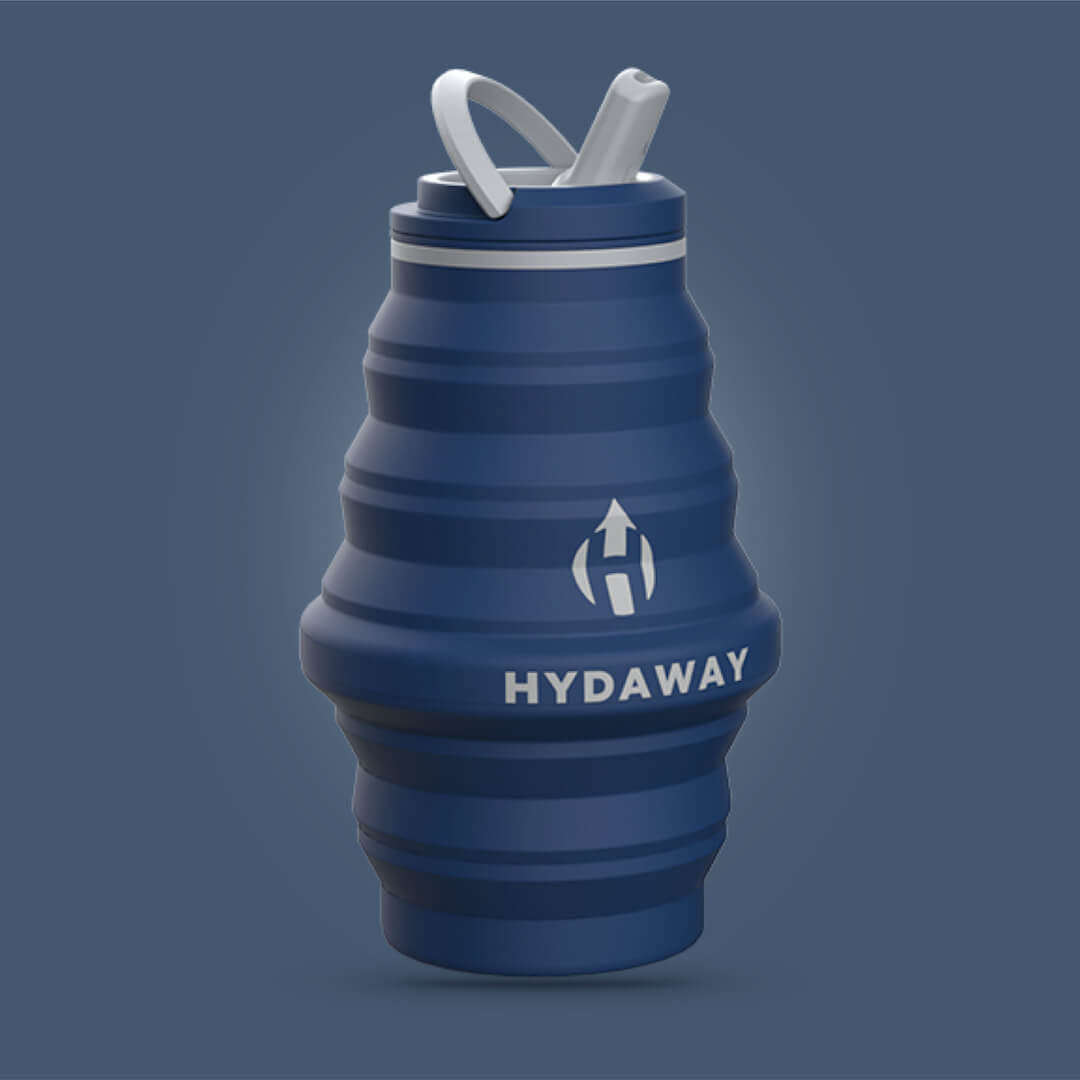
A collapsible bottle earns its space because it gets smaller as the day goes on. That matters on a trip where one bag has to cover travel, lodge stops, and lift laps without turning into clutter. If you want ideas for a lighter carry system, HYDAWAY’s guide to ski hydration packs and mountain-friendly hydration setups is a practical place to start.
Pack food that solves a real problem
Resort food is convenient, but it costs time, money, and patience. Bringing your own lunch matters even more for families, budget travelers, and anyone skiing from first chair to last lap.
A smart on-mountain food kit looks like this:
- Reusable water container: One you will keep with you, not one that stays in the lodge.
- Fast snacks: Nuts, bars, jerky, dried fruit, or other nutritious snacks that travel well.
- One satisfying lunch: Soup, pasta, chili, rice bowl, or leftovers that still taste good in the cold.
- A low-bulk container: Something easy to stash after you eat.
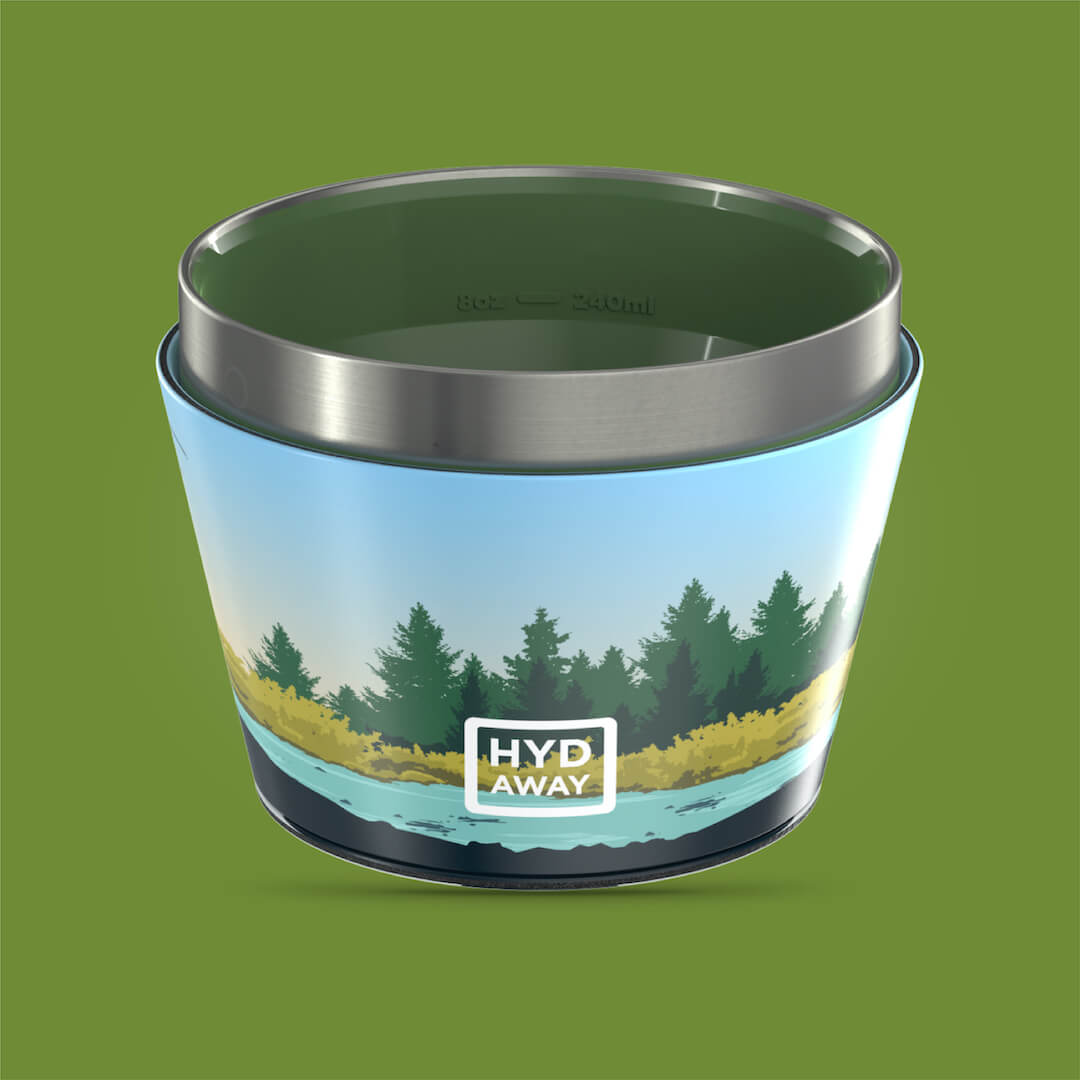
That last point matters more than people think. A rigid lunch container takes up the same room empty as full. A collapsible option is easier to live with for the rest of the ski day, especially if you are carrying food for kids or packing multiple lunches from a condo kitchen. HYDAWAY’s Insulated Collapsible Bowl fits that use well because it handles a warm lunch in the morning and packs down afterward.
Pack food you will want at altitude. Warm, salty, familiar meals usually win over dry snack food once the temperature drops.
Keep the carry setup chairlift-friendly
Big backpacks have their place in the backcountry. For lift-served resort skiing, smaller usually works better.
A slim pack or low-profile hydration setup is easier to manage on lifts, in gondolas, and during lodge stops. It also forces better packing decisions. Water, snacks, lip balm, a phone battery, and a compact lunch cover a lot of ski days without adding dead weight.
That activity-by-activity approach keeps this part of your ski trip smoother. Your on-mountain kit should support the day on snow, then shrink back down when it is time for the next phase of the trip.
4. Après-Ski & Lodging Comforts The Off-Duty Essentials

You get back to the room after a cold day, peel off ski boots, and realize your only dry option is tomorrow’s sweatshirt. That is the point where overpacking ski gear and underpacking off-duty clothes starts to feel expensive.
This phase of the trip needs its own plan. The goal is simple: get out of damp layers fast, recover well, and keep your bag from filling up with bulky “just in case” outfits.
Pack for the hours around skiing
Off-mountain clothing earns its place when it handles more than one job. A warm pair of shoes for the lodge, one pair of pants you would wear to dinner, a midlayer that works on the walk to breakfast, and sleepwear that stays dry all week will cover a lot. If your lodging has a hot tub, add a swimsuit. If it does not, leave it out.
I usually see the same mistake here. Travelers bring too many casual clothes and still miss the items that matter most, like dry socks, easy footwear, and something comfortable for sore legs after ski boots.
A solid off-duty list includes:
- Comfy shoes or winter boots: Warm, dry, and easy to slip on after skiing.
- Two or three casual layers: Fleece, flannel, sweater, or a hoodie that can repeat.
- One versatile bottom: Joggers, leggings, jeans, or insulated pants, depending on the town and weather.
- Sleepwear and lounge clothes: Separate from ski layers so you always have something dry.
- Swimsuit: Only if your hotel, condo, or spa setup makes it likely you will use it.
Choose pieces that compress well and repeat easily
Smart packing saves space. Bulky cotton hoodies, heavy denim, and extra shoes eat luggage room fast. Lightweight fleece, merino, and synthetic layers usually do the same job with less volume and dry faster if you need to wash something in the sink overnight.
I pack this part by trip phase, not by category. One set for the evening. One set for sleeping. One outfit for travel home if the ski gear is wet. That keeps the door-to-slope rhythm easy and stops the casual side of the trip from taking over the whole suitcase.
Comfort items matter too, but pick compact versions. A collapsible insulated tumbler is useful for tea at the condo, coffee on the walk into town, or a reusable cup on the drive. It gives you a little comfort without adding another hard-sided item to your bag.
If you want ideas for layering pieces that look good without sacrificing function, this guide to stylish post-ski apparel is a useful reference.
5. The Don't Forget Bag Documents, Electronics & Toiletries
The forgotten-item bag is usually what decides whether travel day feels smooth or starts with avoidable friction. If your checked bag is late, your room is not ready, or your phone dies in the transfer from airport to resort, this pouch keeps the trip on track.
Pack it by trip phase, not as a loose pile of small items. Keep travel documents and in-transit electronics at the top. Put mountain-use items like sunscreen and lip balm where you can grab them before first chair. Night items such as moisturizer, contacts, and medications can sit deeper in the bag.
The items that carry the trip
Start with the pieces that matter before you even click into bindings:
- ID and travel documents: Passport or license, plus any lift, rental, or shuttle confirmations.
- Insurance details and reservation info: Save copies offline in case resort Wi-Fi is spotty.
- Wallet and payment cards: Keep one backup card separate from your main wallet.
- Phone charger and power bank: Cold weather drains batteries fast, especially if you use your phone for maps, passes, or photos.
- Prescription medications: Always in your carry-on.
- Toiletries pouch: Keep it small and focused.
Sun protection belongs in this bag, not buried in your suitcase. High altitude, wind, and reflected light off snow can burn skin quickly, even on overcast days. Pack SPF 30 or higher sunscreen and SPF lip balm, then move both into a jacket pocket once you reach the mountain.
Toiletries worth the space
Mountain air is dry. Heated rooms make it worse. A few compact items do more for comfort than a bulky toiletry kit full of “just in case” extras.
I pack these every time:
- Face sunscreen: Apply before you leave the room.
- SPF lip balm: Reapply on lifts and at lunch.
- Moisturizer: Best used at night after wind and sun exposure.
- Travel toothbrush and deodorant: Enough for delayed bags, red-eyes, and overnight stops.
- Blister care: Useful with new boots or rental boots.
- Pain relief medication: Handy after travel or a long ski day.
- Contacts, solution, or glasses backup: Easy to forget, miserable to replace mid-trip.
A small waterproof pouch also earns its place. Lodge tables get wet, gloves drip, and snow finds its way into more places than you expect. If you want one organizer that can handle chargers, documents, and skin-care basics, a compact waterproof dry bag for travel essentials works well without adding much bulk.
One last packing habit matters here. Refillables beat full-size bottles, and solid toiletries often travel better than liquids. That saves space, cuts plastic waste, and makes airport security easier.
6. Safety & Repair Kit Be Prepared for the Unexpected

You notice the problem on the second chair of the morning. A heel hot spot. A loose buckle. Maybe a headache from yesterday’s travel and today’s altitude. None of these end a ski day on their own, but they can if your fix is back at the hotel or buried in checked luggage.
Pack this kit by trip phase, not as an afterthought. Keep the mountain version small enough to live in your daypack or jacket, and keep anything larger in your room or car. That split saves space and makes the right item easy to reach when you need it.
Build a compact mountain kit
For resort skiing, a small pouch handles the problems you’re most likely to face before lunch. I keep mine focused on comfort, quick repairs, and minor first aid.
A practical kit includes:
- Blister pads: The fastest way to salvage a day if boots start rubbing.
- Bandages and antiseptic wipes: Enough for small cuts and scrapes.
- Pain relief medication: Useful after a rough travel day or a long stretch on hard snow.
- Ski straps: Handy for bundling skis, securing poles, or improvising a quick fix.
- A simple multi-tool: Good for minor gear adjustments if you know your setup.
Small matters here. Big first-aid kits look responsible in the living room and feel ridiculous in a carry-on. For a resort trip, the goal is to solve common problems without hauling around a pouch full of items you will never touch.
Keep it dry, visible, and separate from the rest
Organization matters as much as contents. If bandages are loose at the bottom of a wet pack, they are effectively gone. Put first aid and repair items in one clearly marked pouch, then store that pouch where you can grab it without unpacking half your bag.
A compact waterproof dry bag for small travel essentials works well for meds, blister care, spare socks, and charging cables. It also helps on the trip home when damp gloves and clean clothes need to stay apart.
One more judgment call. Carry what you know how to use. A ski strap and blister pad can solve real problems fast. A bag full of mystery tools usually adds weight, not capability.
If your plans include sidecountry or backcountry travel, treat that as a different category entirely. Avalanche gear, training, and decision-making belong on a separate checklist because the stakes are much higher.
7. Space-Saving Hacks Pack Lighter & Smarter

You feel the difference at the airport check-in desk and again on the walk from the parking lot to the lodge. A ski trip gets harder when every bag is overstuffed, disorganized, or packed without a job in mind. The fix is simple. Pack by trip phase and let each item earn its space.
For ski travel, that usually means three zones: travel, on-mountain, and off-duty. If goggles, chargers, thermals, and town clothes all live in one big pile, you waste time digging and repacking at every stop. A cleaner system keeps the trip easy from front door to first chair.
Start with the shapes you already have. Ski boots, helmets, insulated mugs, and the corners of a duffel all hold soft items well. Socks, base layers, neck gaiters, and glove liners can fill those gaps without adding bulk or crushing anything that matters.
A few methods hold up trip after trip:
- Pack inside your boots: Socks, base layers, or thin beanies fit well and keep the boots from getting knocked out of shape.
- Use packing cubes by activity: One cube for on-mountain layers, one for après, one for travel basics. You grab what you need instead of tearing apart the whole suitcase.
- Roll small soft items: Rolled layers slide into awkward spaces better than folded stacks.
- Keep a wet bag ready: The return trip is where a smart packing system really pays off.
Bag size matters too. For resort days, a smaller daypack usually works better than a giant one because it forces discipline. Carry water, a snack, an extra layer, and the small items you will use. Leave the "just in case" duplicates at the lodge unless conditions warrant them.
Packable reusables help here because they solve two problems at once. They cut waste on the mountain and take up less room in your luggage. Collapsible bottles, bowls, and tumblers are especially useful on ski trips, where space disappears fast once gloves, goggles, and cold-weather layers are in the bag. HYDAWAY's guide on how to save space when packing matches this approach well.
Family trips need one extra layer of discipline. Give each person their own checklist and their own packing cube or section of the bag. That small bit of structure prevents the usual last-minute misses, especially gloves, socks, goggles, and chargers.
The lighter goal is not minimalism for its own sake. It is carrying less dead weight, finding gear fast, and making transitions smoother all day long.
7-Item Ski Packing Comparison
| Item | Complexity 🔄 | Resource Requirements ⚡ | Expected Outcomes ⭐ | Ideal Use Cases 📊 | Key Advantages 💡 |
|---|---|---|---|---|---|
| On-Mountain Apparel: The Art of the Layering System | Medium, adjustable system, some judgement needed | Moderate, 3 garments (base, mid, shell); look for ratings | ⭐⭐⭐⭐, reliable warmth & moisture control | Variable weather, full-day touring or resort runs | Versatile temperature control; reduces overheating |
| Essential Ski/Snowboard Gear: Rent, Borrow, or Bring? | Medium–High, logistics (travel + tuning) and fit decisions | High, skis/board, boots, helmet; possible fees for transport | ⭐⭐⭐⭐, performance & safety depend on fit | Frequent skiers, travelers choosing between rental vs owned | Optimal performance with own gear; rental flexibility when traveling |
| Hydration & Nutrition: Your On-Mountain Fuel Kit | Low, simple packing and refill routine | Low, collapsible bottle/bowl, snacks, insulated container | ⭐⭐⭐, sustained energy, better hydration | Long days, budget-conscious skiers, high-altitude outings | Lightweight, packable, cost-saving; keeps food warm |
| Après-Ski & Lodging Comforts: The Off-Duty Essentials | Low, basic clothing choices and packing | Moderate, casual layers, waterproof boots, swimsuit | ⭐⭐⭐, improved recovery and comfort off-hill | Evenings, hot tub use, town strolls after skiing | Comfort and recovery; adaptable outfits for social settings |
| The "Don't Forget" Bag: Documents, Electronics & Toiletries | Low, checklist-driven, low effort | Low, small pouch, sunscreen, power bank, documents | ⭐⭐⭐⭐, avoids travel disruptions and sun-related issues | All travelers, especially flying or multi-day trips | Prevents lost items; protects electronics and documents |
| Safety & Repair Kit: Be Prepared for the Unexpected | High, requires skills (avalanche training) for some items | Moderate–High, multi-tool, straps, first-aid; beacon/shovel/probe for backcountry | ⭐⭐⭐⭐, critical for incident response and mitigation | Backcountry or any exploratory terrain; daypack essentials | Enables emergency fixes and life-saving responses when needed |
| Space-Saving Hacks: Pack Lighter & Smarter | Low, simple techniques to implement | Low, packing cubes, strategic wearing of bulky items | ⭐⭐⭐, reduces luggage bulk and improves organization | Flights with baggage limits, road trips with limited space | Maximizes carry space; streamlines packing and unpacking |
Pack Smart, Ski More
A good skiing packing checklist does more than help you remember gloves and goggles. It removes friction from the entire trip. That matters because ski travel has enough moving parts already. Flights get delayed. Bags get wet. Weather changes. Kids get hungry. Boots rub. Phones die in the cold. Packing well won’t solve everything, but it prevents a surprising number of bad mountain days.
The biggest win is packing by function instead of by habit. On-mountain layers need to work together. Travel gear needs to survive wet transitions and cramped luggage space. Après items should help you recover, not just fill a suitcase. Documents, skin protection, chargers, and first aid should live in one dependable place. Once you pack this way, ski trips feel less chaotic and much more enjoyable.
It also helps you pack lighter without feeling underprepared. That’s the balance you want. You don’t need duplicates of everything. You need smart choices. Merino base layers that can handle repeat wear. Outerwear that meets real waterproof needs. A compact day-carry setup for water, snacks, and one extra layer. A few comfort items for the lodge that make evenings better.
This is also where sustainability becomes practical instead of performative. Reusable gear only helps if it fits real travel behavior. Ski trips are a perfect example. People want to bring water and meals, but they don’t want to lose half their bag space to hard-sided containers. That’s why collapsible gear stands out. A HYDAWAY bottle or insulated bowl fits into the flow of the trip more naturally than bulky alternatives. You use it on the drive, in the lodge, at lunch, and back at the room. Then it packs down instead of fighting for space.
For families, this reduces clutter and cuts down on buying disposable drinks and emergency extras. For van-lifers and digital nomads, it keeps multi-use gear portable. For retirement travelers and bucket-list skiers, it makes the trip feel smoother and less physically annoying. Those benefits aren’t abstract. They show up when you’re not hunting for water, overstuffing a bag, or paying resort prices for something you could’ve packed in two minutes at home.
Before you zip your bag, do one last pass. Check your boots, layers, hydration plan, lounge clothes, small essentials, and repair pouch. Make sure the things you’ll need first are easy to grab. Keep the system simple enough that you can repack it tired on the last day.
That’s the goal. Less fuss. More skiing. Better recovery. Smarter travel from your front door to the final run.
If you want ski gear that travels smarter, HYDAWAY is worth a look. Their collapsible bottles, insulated bowls, tumblers, and other compact adventure gear fit the core problem most ski travelers face: carrying what you need without hauling unnecessary bulk. For ski weekends, family resort trips, van travel, and longer adventure itineraries, HYDAWAY helps you stay hydrated, pack your own food, reduce single-use waste, and keep your luggage under control.