

Portable Kitchen Sink for Camping: The Ultimate Guide

Dinner is done. The cast iron is still slick with oil, the pasta pot has a starch ring baked onto the bottom, and the only flat surface left in camp is the cooler lid. Someone grabs a bottle to pour water over a plate, someone else balances a pan on a log, and five minutes later the cleanup zone is a muddy patch with a sponge in the dirt.
That scene is normal because most camp kitchens are built for cooking, not washing. We obsess over stoves, mugs, knives, and coolers, then treat dish cleanup like an afterthought. The result is wasted water, greasy hands, and a campsite that feels more chaotic than it should.
A good portable kitchen sink for camping fixes that fast. It gives you one place to wash, rinse, drain, and reset, and it turns a pile of loose gear into a working kitchen system. That matters whether you're hiking outside Bend with a tiny pack, loading a family rig for the coast, or building out a van where every cabinet inch counts.
The End of Messy Camp Cookouts
The first sign that your camp kitchen is undersized isn't during breakfast. It's after dinner, when the light drops and the cleanup gets awkward.
Grease is the problem that exposes everything. Dry food scraps brush off. Oatmeal rinses out. Bacon fat, curry, melted cheese, and pancake batter tell you right away whether your setup works or doesn't. If your only plan is “we'll rinse stuff somehow,” the whole campsite starts doing extra work.
What goes wrong in real camps
In a typical rushed cleanup, campers use too little water, too many random surfaces, and no dedicated wash area. Plates sit on camp chairs. Soap lands near the stove. Dirty utensils end up in the same tote as clean gear because nobody wants to sort it out in the dark.
That mess is one reason this category keeps growing. The global portable camping sink market was valued at around $200 million in 2023 and is projected to pass $371 million by 2025, reflecting stronger demand for hygiene and convenience outdoors, especially among younger campers who want self-sufficient setups (Market Report Analytics).
That growth makes sense on the ground. Campers don't want a bucket. They want a cleanup routine that feels controlled.
Practical rule: If dishes don't have a dedicated place to land, your whole kitchen becomes the sink.
What a sink changes
A portable sink creates order in three ways:
- It contains the mess: Dirty water, soap, scraps, and utensils stay in one zone.
- It saves better water: You pour with purpose instead of splashing half a bottle across a skillet.
- It makes cleanup faster: One wash station beats improvising with cookware, food bins, and whatever rock happens to be nearby.
The part many gear guides miss is that a sink works best when it isn't treated like a standalone object. The most useful setups pair the sink with other compact kitchen pieces so your wash station, eating kit, and water carry all fit together without dead space. That's the practical version of pack less, do more. Not carrying less for the sake of it, but carrying gear that earns its spot twice.
The difference between roughing it and running camp well
A camp sink won't make the outdoors feel like home. That's not the point. The point is to stop wasting energy on preventable friction.
When camp cleanup is easy, people cook better meals, reuse their gear more often, and leave less trash behind. You don't need a fancy rig to get there. You need a wash setup that matches the kind of trip you're taking.
Decoding the Portable Camping Sink From Basins to Systems
A portable sink is any dedicated setup that lets you hold, move, or dispense water for washing in camp. That's a broader category than often assumed.
Some sinks are barely larger than a folded bandana. Others are closer to a compact galley module with a faucet, drain path, and water storage. The right choice depends less on style and more on where the sink lives when you're not using it.
Ultra-packable fabric basins
Here, a lot of space disappears. A fabric basin is a water-tight wash bowl that folds nearly flat and disappears into a side pocket or cook kit.
These work because they're simple. No drain hose. No rigid frame. No separate plumbing to baby. You fill them, wash with them, dump responsibly, and pack them away.
They're strong when the material and rim design are right. Weak fabric sinks collapse inward when full and get annoying fast. Better ones hold shape well enough to wash a mug, rinse produce, or soak utensils without fighting the container.
Use one when:
- You're hiking in: Every ounce and every cubic inch matters.
- You're running a minimal cook kit: One pot, one mug, one spoon, maybe a bowl.
- You want flexibility: Wash dishes, carry water a short distance, or use it as a utility basin.
Collapsible silicone sinks
This is the sweet spot for a lot of car campers. Silicone sinks give you more structure than a fabric basin, but they still compress down enough to slide into a bin, drawer, or camp kitchen tote.
They feel familiar because they behave more like a household wash tub. That shape makes them easier for scrubbing pans and stacking dishes. They also tend to sit more securely on a picnic table or tailgate.
Their downside is bulk. Even when collapsed, they don't disappear the way fabric does. For basecamp weekends and family trips, that trade-off is often worth it. For backpacking, it usually isn't.
All-in-one sink stations
Now you're in van, overland, and event-camp territory. These setups combine a sink body with some version of faucet, pump, tank, drain, or greywater collection.
They solve a different problem. At this level, the goal isn't just to hold water. It's to create a repeatable washing station that works for multiple people and multiple meals without improvisation every time.
A basin helps you wash. A sink station helps your whole camp keep moving.
These systems make sense when camp looks more like a temporary home base than a quick overnight stop. You have the room. You want better flow. You're willing to carry more hardware to get a cleaner routine.
The three categories in plain terms
| Type | Feels like | Best use |
|---|---|---|
| Fabric basin | A technical wash bowl | Backpacking, fast-and-light camps |
| Collapsible silicone sink | A compact dish tub | Car camping, family weekends |
| All-in-one station | A portable mini-galley | Van life, overlanding, events |
The mistake I see most often is buying too much sink for the trip. A big plumbed setup is dead weight on a simple campout. A tiny fold-flat basin frustrates a family trying to wash cookware for four.
The sink should match the kitchen around it. If your whole camp system packs flat, your sink should too. If your trip revolves around a vehicle kitchen, a more structured sink can carry its weight.
How to Choose the Right Sink A Camper's Checklist
Buying a portable kitchen sink for camping gets easier when you stop asking, “Which one is best?” and start asking, “What will I wash, where will I wash it, and where will this thing live when camp is packed?”
The right answer usually shows up in the trade-offs.

Start with trip type, not product type
A sink isn't useful because of its marketing label. It's useful because it fits the way you camp.
Ask these questions first:
- How far are you carrying it? Backpack, short walk from the car, or never farther than the van slider door.
- What are you washing? One pot and a spork, or a full dinner setup with pans and cutting boards.
- How often will you set it up? Once for a basecamp, or multiple times a day on a moving trip.
- Where will dirty water go? Simple dump-and-carry, drain hose, or containerized greywater.
- What else shares the same storage space? Stove, food bin, utensils, bottles, and dishware all compete for the same area.
If you're still sorting out your water side of camp organization, this guide to collapsible water containers for camping is useful because sink choice and water storage affect each other more than often considered.
The features that matter
Weight and packability
This is the first filter for backpackers and the second filter for everyone else.
A sink can be durable and still be the wrong pick if it creates awkward dead space in your pack or bin. Flat-packing gear wins because it tucks around other items instead of demanding its own rigid footprint.
Material and structure
Material determines more than durability. It affects how the sink behaves when full, how easy it is to clean, and how likely it is to annoy you.
High-quality fabric sinks can perform far better than people assume. The Sea to Summit Kitchen Sink uses 70D nylon with a 10,000mm hydrostatic head rating and a stainless steel stiffening ring that helps prevent collapse when full, which matters because cheaper fabric basins often fold inward and spill during dishwashing (Sea to Summit Kitchen Sink).
Silicone gives more shape and a more familiar tub feel. Fabric usually wins on packability. Rigid or semi-rigid sink stations win on convenience when storage isn't scarce.
Capacity and shape
Ignore giant capacity claims if the basin opening is awkward. A wide, stable sink is easier to use than a deeper one that tips or forces you to jam cookware in at an angle.
Think about your largest item. If your frying pan doesn't fit comfortably, the sink will become a handwashing station and not much more.
Drainage
Drainage changes the feel of use more than most shoppers expect. Some sinks are simple pour-out basins. That's fine for solo or low-volume camp kitchens. Others include a drain feature or pair easily with a hose and greywater container.
If you're in dispersed sites or shared campgrounds, tidy drainage matters. It's cleaner, faster, and easier to manage responsibly.
Setup footprint
A sink that fits in your drawer may still be wrong if it needs a huge clear surface to use well. Picnic tables hide this issue. Small van counters expose it immediately.
Portable Camping Sink Types Compared
| Sink Type | Best For | Packability | Typical Capacity | Key Feature |
|---|---|---|---|---|
| Fabric basin | Backpacking and minimalist camps | Excellent | Small to medium | Folds nearly flat |
| Collapsible silicone sink | Car camping and family use | Good | Medium | Holds shape well during scrubbing |
| All-in-one station | Van life and overlanding | Fair | Medium to large | Integrated water delivery and cleanup flow |
A quick buyer filter
Use this shortlist when you're comparing models:
- Choose fabric if low weight matters more than built-in structure.
- Choose silicone if you want a stable wash tub and have room in the car.
- Choose a sink station if your vehicle setup supports a dedicated wash zone.
- Skip gimmicks if they add bulk without improving washing, draining, or storage.
- Favor clean geometry over fussy compartments. Smooth interiors wash out faster.
Buy the sink that disappears in transit and works hard in camp. Not the one that looks impressive online.
Tailoring Your Sink to Your Trip From Backpacking to Van Life
The same sink that feels brilliant on a river trail can feel useless in a van galley. Context decides everything.
I've seen campers overbuild a weekend setup and hate every minute of packing it. I've also watched people bring a tiny fold-flat basin to a group site and spend the whole trip washing in shifts. Both are fixable if you match the sink to the trip instead of the fantasy version of the trip.
Ultralight and overnight hiking
On foot, the sink has one job. Stay out of the way until you need it.
A small fabric basin works well here because it handles dishwashing, produce rinsing, and quick cleanup without taking over your pack. This is also where the ecosystem idea matters most. A sink doesn't need to be big if the rest of your kitchen also packs down small.
For hikers and fast movers, the cleanest setup is a fold-flat sink, compact utensil roll, and collapsible drink and meal pieces that don't waste shape in your pack. That's the difference between having a “camp kitchen” and carrying a few smart pieces that work together.
Car camping with friends or family
Car camping widens your options, but it also raises the workload. More people means more dishes, more handwashing, and more random messes.
A collapsible silicone sink often lands in the sweet spot. It gives enough structure for pans, kids' cups, and greasy utensils without taking up as much room as a hard-sided wash tub. You can set it on a picnic table, on the ground beside the stove, or next to a water jug and have a workable station in a minute.
What doesn't work well is bringing a tiny sink and expecting it to manage a social campsite. You'll end up using cookware as backup basins, which defeats the point.
Van life and overland routines
In a van or overland kitchen, water flow changes the whole experience.

A system like the Trail Kitchens Water Boy is built for that kind of use. It uses a 12V pump delivering 3.5 gallons per minute, which is described as more than 10 times the flow rate of manual pumps, and that higher flow makes group cleanup feel much closer to a home faucet setup (Trail Kitchens Water Boy).
That matters when you're cooking daily in a compact rig. Better flow means easier rinsing, less time hovering over one pan, and fewer excuses to let dishes stack up overnight.
If you're planning a vehicle-based setup, this practical van life essentials list helps frame where a sink belongs among the other gear that competes for cabinet and counter space.
The larger your camp kitchen becomes, the more important it is that each item has a defined home when you're driving.
Festivals, road trips, and mixed-use travel
A lot of people don't need a dedicated backcountry sink. They need a travel sink that works across campgrounds, festivals, roadside meals, beach days, and long family stops.
That's where middle-ground options shine. A portable sink can become a handwashing station near a stove, a veggie rinse basin at lunch, or a cleanup tub beside a tailgate dinner. In these setups, convenience matters more than technical efficiency.
The common thread across every trip type is this. The sink should support the pace of the trip. Fast-moving trips need simple gear. Basecamp trips can support more structure. Full-time vehicle living rewards integrated systems.
Mastering Campsite Hygiene and Sustainability
Dinner is done. The stove is cooling, a pot still has sauce stuck to the bottom, and everyone wants to reach for paper plates tomorrow to avoid cleanup. A portable sink earns its place right here. In a well-packed camp kitchen, it turns cleanup from a chore people dodge into a short reset that keeps the whole system ready for the next meal.
A sink works best as part of the kit, not as a standalone tub. Pair it with stackable cookware, a compact drying towel, and collapsible dishes that pack flat. That combination matters in small rigs and crowded camp bins. If the basin stores cleanly alongside bowls, cups, and bottles, you waste less space and you're more likely to use the setup every time instead of defaulting to disposables.

A simple washing system that works
Good camp dishwashing comes down to order and restraint. Use just enough water, keep dirty and clean items separate, and avoid creating a puddle of greasy greywater you have to solve later.
Wash
Scrape first. Wash the lightest-use items before the pan that caught bacon grease or oatmeal. Warm water helps, but sequence matters more than having a perfect setup.
Rinse
Soap residue makes cups feel slick and attracts more grime in storage. A controlled rinse with a bottle, spigot jug, or a second small basin usually does the job without burning through your water supply.
Sanitize and dry
Clean hot water helps when you have it. So does keeping raw food tools separate from mugs and bowls. Then let everything air dry fully before it goes back into the bin, especially collapsible gear with folds, rims, and lids that can trap moisture.
If you want a home-method refresher that still applies outside, this guide on how to hand wash dishes is useful because the same basic sequence holds up whether you're at a kitchen counter or a picnic table.
Keep greywater boring
Greywater should be managed the same way I manage stove fuel in the field. Predictably, carefully, and with no surprises.
Food scraps are the first problem, so strain them before they hit your wastewater container. Carry greywater away from lakes, rivers, and streams. Where local rules allow dispersal, spread it over a broad area instead of dumping one concentrated mess beside camp. Use soap sparingly. Biodegradable soap still needs distance from natural water and thoughtful disposal.
Clean camps come from controlling residue, runoff, and storage.
Reusables reduce waste and save space
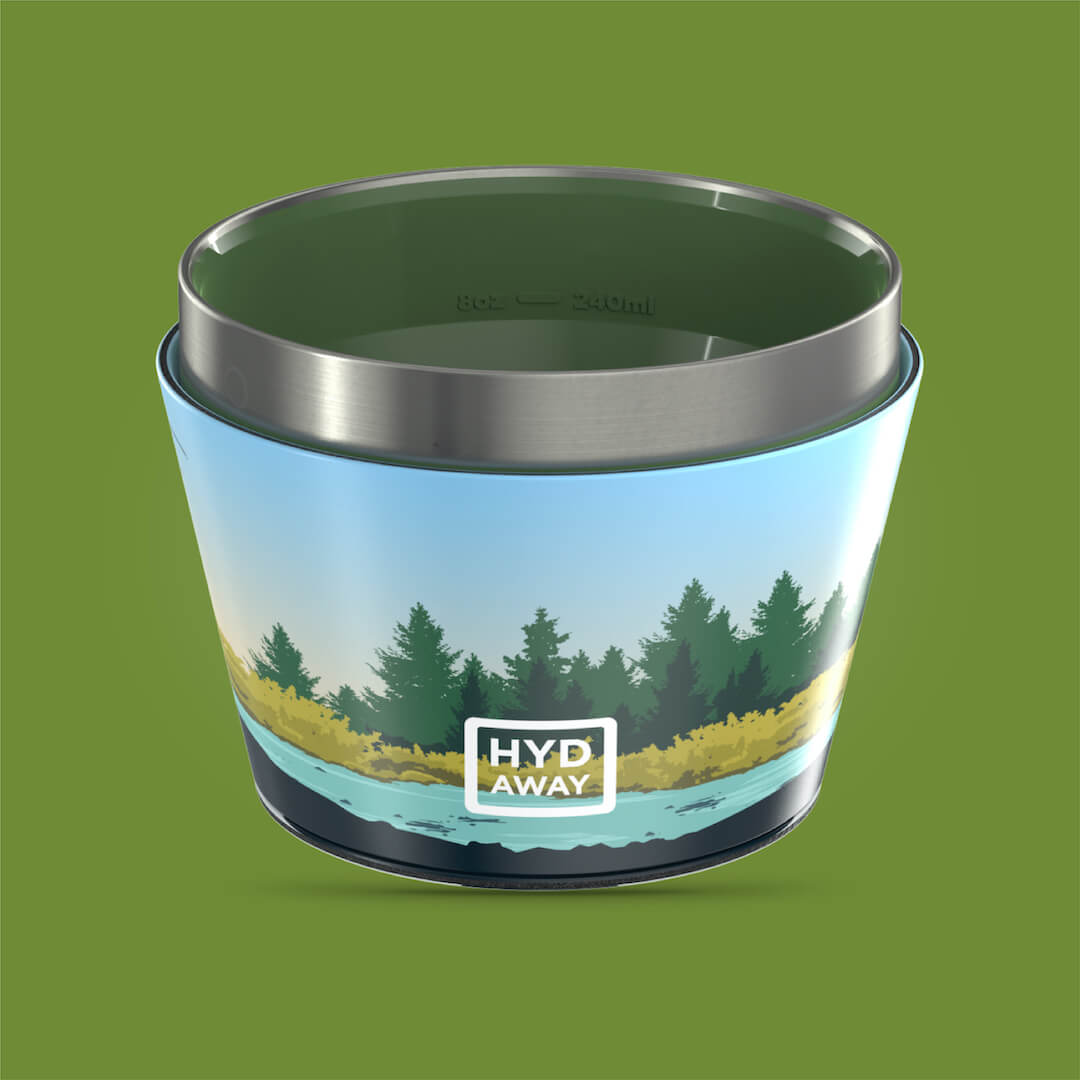
A portable sink gets more useful when the rest of the kitchen is designed for quick cleaning. Smooth reusable bowls and cups rinse faster than scarred plastic or throwaway ware that buckles, leaks, and piles up in the trash. They also nest better.
That matters if your goal is pack less, do more. In a compact camp kitchen, the primary benefit is using a sink with dinnerware that collapses or nests into the same footprint, so cleanup gear and eating gear stop competing for room. HYDAWAY covers the broader habit shift well in its guide on how to reduce single-use plastic, and it lines up with what works at camp. Reusable, easy-to-clean pieces cut trash, cut water use, and make the whole kitchen easier to reset after each meal.
A quick field routine
My cleanup routine stays simple because simple routines survive cold mornings, late dinners, and tired camp crews.
- Scrape right away: Dried-on food costs more water and more patience.
- Wash before dark when possible: You catch grease, soap film, and missed spots faster.
- Dry completely: Nested bowls, lids, and utensils can hold moisture longer than they look.
- Reset the station: Put the sink, soap, scrubber, towel, and strained waste container back in the same place every time.
Here's a useful visual refresher on setting up and using an outdoor wash station well:
Beyond the Basin DIY Solutions and Essential Accessories
Not everyone needs to buy a dedicated sink right away. A workable camp wash station can start with the gear you already own.
The classic DIY version is still effective. One bucket for wash water, one for rinse or greywater, plus a brush, soap, and a drying surface. If you mostly car camp a few times a year, that setup can be enough.

DIY options that still make sense
A budget setup works best when you keep it simple:
- Bucket plus pour bottle: Good for handwashing and light dish duty.
- Wash tub plus drying towel: Easy for campground tables and tailgates.
- Water jug with spigot plus basin: A practical station for family camps or roadside meals.
DIY falls short when storage gets tight or when setup friction starts affecting behavior. If your wash system takes too long to assemble, people skip it. Then dishes stack, water gets wasted, and cleanup drags into the next meal.
Accessories that earn their spot
A sink by itself doesn't finish the job. The supporting pieces determine whether your setup feels smooth or sloppy.
Water source
A basin needs controlled water nearby. Jugs with spigots, compact pour bottles, or small pump systems all work depending on the trip.
Scrub tools
Bring one brush that dries quickly and one small cloth or sponge. Oversized kitchen brushes are annoying in camp bins.
Drying surface
A microfiber towel, mesh rack, or clean crate lid keeps washed gear out of the dirt. This is one of the most overlooked pieces in camp kitchens.
Nested food gear
This is an area where a lot of space disappears. If your bowls, mugs, lids, and bottles are all rigid, the sink has to fight for room against empty air trapped inside the rest of your kitchen.
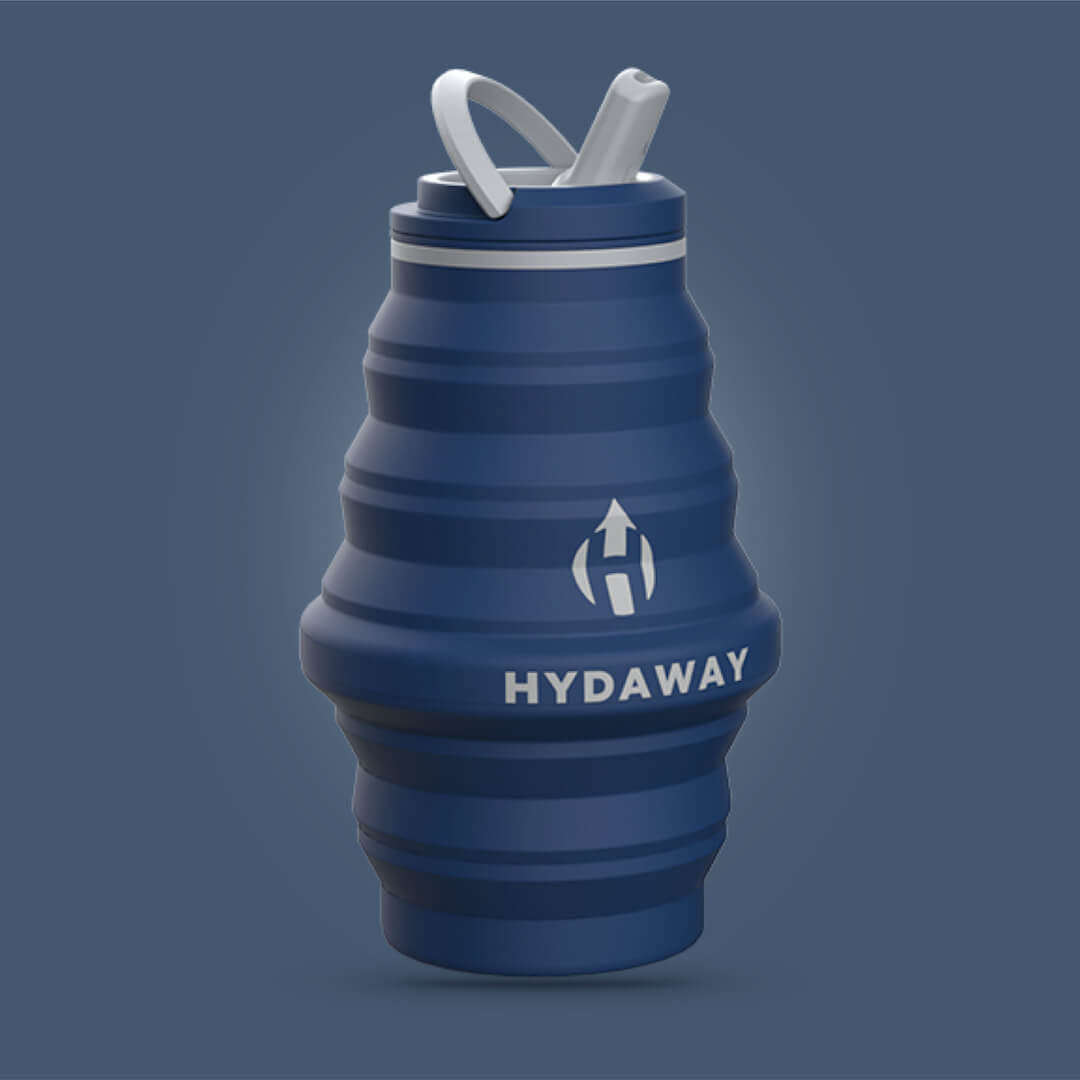
One practical example is HYDAWAY, which makes collapsible bottles, bowls, and dinnerware designed to fold flat for travel and outdoor use. In a camp kitchen, that matters because the sink isn't the only thing competing for space. Your eating gear and hydration setup need to pack efficiently too if you want the whole system to stay compact.
Build a kit, not a pile
This is the shift that improves camp life most. Stop thinking in single products and start thinking in modules.
A strong compact kitchen kit usually includes:
- One wash item: Basin, silicone sink, or compact station.
- One water-delivery item: Jug, bottle, or pump-fed source.
- One clean-up set: Soap, brush, towel.
- One nested eating kit: Bowls, plates, utensils, and cups that don't waste volume.
If every item solves a real problem and nests cleanly with the next, camp feels lighter even when the gear list stays the same.
DIY can absolutely work. Purpose-built gear tends to work with less fuss, especially once you start packing for small cars, crowded bins, and multi-use travel.
Conclusion The Future is a Packable Kitchen
A portable kitchen sink for camping solves a basic problem that too many campers accept as normal. It gives dirty dishes a place to go, keeps water use more controlled, and makes the whole camp feel more organized.
The best sink isn't universal. A fold-flat fabric basin makes sense for hiking and compact cook kits. A collapsible tub fits many car camping weekends. A pump-driven station shines in vans and overland rigs where cleanup happens every day. What matters is matching the sink to the pace, space, and mess level of the trip.
The more interesting shift is bigger than the sink itself. One overlooked gap in outdoor content is the lack of focus on combining sinks with other collapsible gear, even though some market commentary notes that pairing a sink with pack-flat dinnerware can reduce a camp kitchen's total packed volume by 20% or more (Alpcour portable camping sink overview). This is the primary direction this category is heading.
A smarter camp kitchen is not merely cleaner. It's more compact, easier to store, and more reusable from top to bottom. When your sink, water carry, bowls, and bottles all work as one system, you waste less room and less effort. That's a better fit for backpackers, road trippers, van-lifers, and anyone who wants gear that pulls its weight without taking over the vehicle, pack, or picnic table.
The future isn't a bigger camp kitchen. It's a more packable one.
If you want to build a camp setup around compact, reusable gear, HYDAWAY is worth a look for collapsible bottles, bowls, drinkware, and travel-ready accessories that fit small-space camping, road trips, and everyday carry.