


How to Pack a Backpack for Any Adventure

Learning how to pack a backpack is more than just cramming gear into a bag—it’s probably the most important skill you can master for any modern adventure. A well-packed bag translates directly to less back pain, more energy, and a trip that just flows, whether you're navigating crowded airport terminals for a "workation" or quiet, remote trails. This guide is all about turning that painful chore into a smart, efficient system.
Why Smart Packing Is Your Most Important Skill

Let's leave the days of wrestling with an overstuffed, disorganized bag behind. The real difference between a frustrating trip and a fantastic one often comes down to what you’re carrying on your back. An overloaded or poorly balanced pack is so much more than an inconvenience; it can lead to physical strain and completely ruin your ability to enjoy the journey.
Think about the freedom of skipping checked bag fees for a spontaneous trip to Lisbon, or having everything perfectly organized for a weekend camping trip to a national park. That level of efficiency is totally within reach. It all starts with embracing a minimalist mindset and being deliberate about every single item you decide to bring along.
The Foundation of Efficient Travel
The guiding principle of smart packing is simple: maximize utility while minimizing weight and bulk. This philosophy goes way beyond just your clothes. It’s about choosing versatile, multi-functional gear that can pull double-duty without hogging precious space.
This shift in thinking is mirrored in the booming global backpack market, which is on track to grow from USD 19.41 billion in 2025 to USD 31.38 billion by 2032. What's driving this? A new wave of adventure travelers and digital nomads who need packable, lightweight gear for their dynamic lifestyles. For multi-week treks or van-life road trips, collapsible, space-saving items have become non-negotiable. You can find more insights on this growing backpack market over at ResearchAndMarkets.com.
The goal is to create a self-contained system that supports your adventure, rather than hindering it. When you pack a backpack correctly, it feels like an extension of your body, not a burden you're forced to carry.
A New Approach to Packing
This guide isn't about generic tips you've heard a thousand times. We're giving you a practical framework that starts where it should: with the gear itself. Choosing the right equipment is the true first step, and a single piece of smart gear can fundamentally change your entire packing strategy.
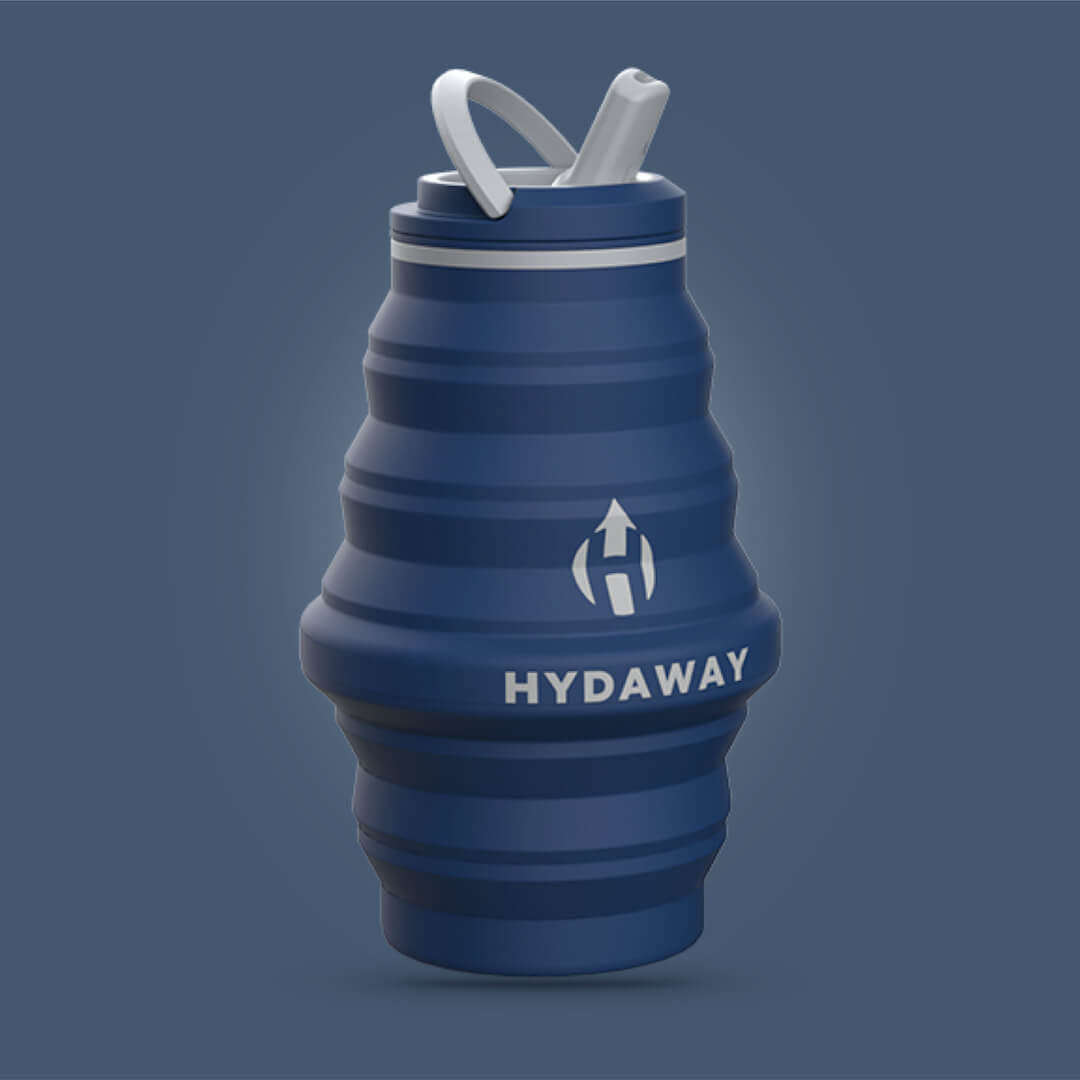
Take your hydration system, for example. A rigid, bulky water bottle takes up the exact same amount of room whether it's full or empty. But a HYDAWAY Collapsible Water Bottle shrinks down to fit in your pocket the moment it's empty, instantly freeing up critical space in your pack. This simple swap is a perfect example of how innovative, space-saving gear lays the foundation for a lighter, more organized, and ultimately better adventure.
Choosing Your Gear Before You Pack a Single Item
A perfectly packed bag has almost nothing to do with how you arrange things inside. The real work—the stuff that actually matters—happens long before a single item goes in the pack. It's all about the selection process. Every choice you make here directly impacts your comfort, freedom, and overall vibe on the trip.
Your goal is to build a packing list that's tailor-made for this specific trip. That means shifting your mindset from "what if I need this?" to "will I absolutely, without a doubt, use this?" When you start focusing on multi-functional and compressible gear, you create a system that works for you, not against you.
Adopting a Minimalist Mindset
Think versatility, always. A simple merino wool base layer, for example, is perfect for a cool morning hike but also looks totally fine for a casual city dinner. Boom. That one item replaces two separate shirts, saving space and cutting down on decision fatigue.
Compressible gear is another game-changer. Why lug around a bulky, rigid water bottle that takes up the same amount of space whether it's full or empty? A HYDAWAY Collapsible Water Bottle, on the other hand, shrinks down to less than an inch thick when you're done with it. That simple swap frees up critical real estate for a camera, a souvenir, or just the pure luxury of a lighter, less-crammed pack.
The secret to packing a backpack well is to start with less stuff. Every single item should earn its spot by serving multiple purposes or compressing down to a fraction of its size.
Customizing Your Packing List for the Trip
Your packing list should be a direct reflection of your itinerary. A week-long jungle trek in Costa Rica requires a completely different loadout than a three-day music festival like Coachella. The difference is night and day.
Let's look at two practical examples:
- 7-Day Costa Rica Jungle Trek: Here, it’s all about performance and survival. Your list is going to be packed with quick-dry clothing, a reliable water filter, serious insect repellent, waterproof layers, and sturdy hiking boots. Every single ounce matters when you're carrying it on your back for days on end.
- 3-Day Music Festival: For this trip, comfort and convenience are king. You’ll be thinking about comfortable shoes for standing all day, portable chargers to keep your phone alive, sunscreen, and maybe a fun outfit or two. Your HYDAWAY bottle is perfect for staying hydrated at refill stations without carrying a bulky empty bottle all day.
Beyond these general ideas, destination-specific advice is pure gold. For instance, if you're planning a trip to Tokyo, you'd need to consider a mix of intense city exploration with potential day trips into nature. You can get some great insights from a comprehensive guide on what to pack for a Japan trip to help fine-tune those choices.
And if you want to go deeper into the art of shedding weight for any adventure, our ultralight backpacking gear list has a detailed breakdown of how to get your pack as light as possible.
Before you make your final gear list, it helps to see what's truly essential versus what's just nice to have. This can vary a lot depending on where you're going and what you're doing.
Essential vs. Luxury Packing Checklist
| Item Category | Essential Item (Example) | Luxury/Optional Item (Example) | HYDAWAY Solution |
|---|---|---|---|
| Hydration | Reusable Water Bottle | Portable espresso maker | Collapsible Water Bottle saves space when empty. |
| Clothing | Waterproof Rain Jacket | A separate "going out" outfit | Pack multi-purpose items that work for day and night. |
| Electronics | Phone & Power Bank | E-reader or tablet | Consolidate devices; use your phone for multiple tasks. |
| Toiletries | Sunscreen & Medications | Full-size shampoo & conditioner | Use solid toiletries or travel-size containers. |
| Comfort | Good Pair of Socks | Inflatable camp pillow | A rolled-up jacket can often double as a pillow. |
| Safety | Basic First-Aid Kit | Satellite messenger | Assess the actual risk level of your specific trip. |
Thinking through this list helps you strip away the non-essentials. Every "luxury" item you leave behind is a little more weight off your back and a little more freedom on the trail.
Mastering Weight Distribution for a Pain-Free Journey
How you arrange your gear is just as critical as what you decide to bring in the first place. Think of your backpack like a ship—balance is everything. A poorly packed bag can turn an amazing hike into an absolute slog, leading to backaches, sore shoulders, and just draining your energy with every single step.
The real secret to a comfortable trek is just some simple physics. By placing your gear strategically, you can make a 30-pound pack feel lighter and way more stable than a messy 20-pound one. The goal here is to create a dense, stable load that actually moves with your body, not against it.
The Three Zones of Your Backpack
To get it right, picture your backpack in three horizontal zones. Each one has a specific job based on the weight of your gear and how often you'll need to grab it. Getting this "core zone" method down will completely change how you travel.
-
Bottom Zone (The Foundation): This spot is reserved for your lightest, bulkiest items—things you won't need until you're setting up camp for the night. This is where your sleeping bag or maybe some camp clothes should go. Shoving them down at the bottom creates a solid base without dragging your center of gravity down.
-
Middle/Core Zone (The Engine): This is the most important part of the pack. Your heaviest, densest gear goes here, tucked in as close to your spine and centered between your shoulder blades as possible. This lines up all that weight with your body's natural center of gravity, which means better balance and less strain.
-
Top Zone (Quick Access): Keep the top of your pack free for anything you might need to get to in a hurry on the trail. We're talking about your rain jacket, first-aid kit, snacks, and headlamp. The last thing you want is to have to empty your entire bag just to find your trail mix.
This flowchart really breaks down the thought process you should go through before you even start packing.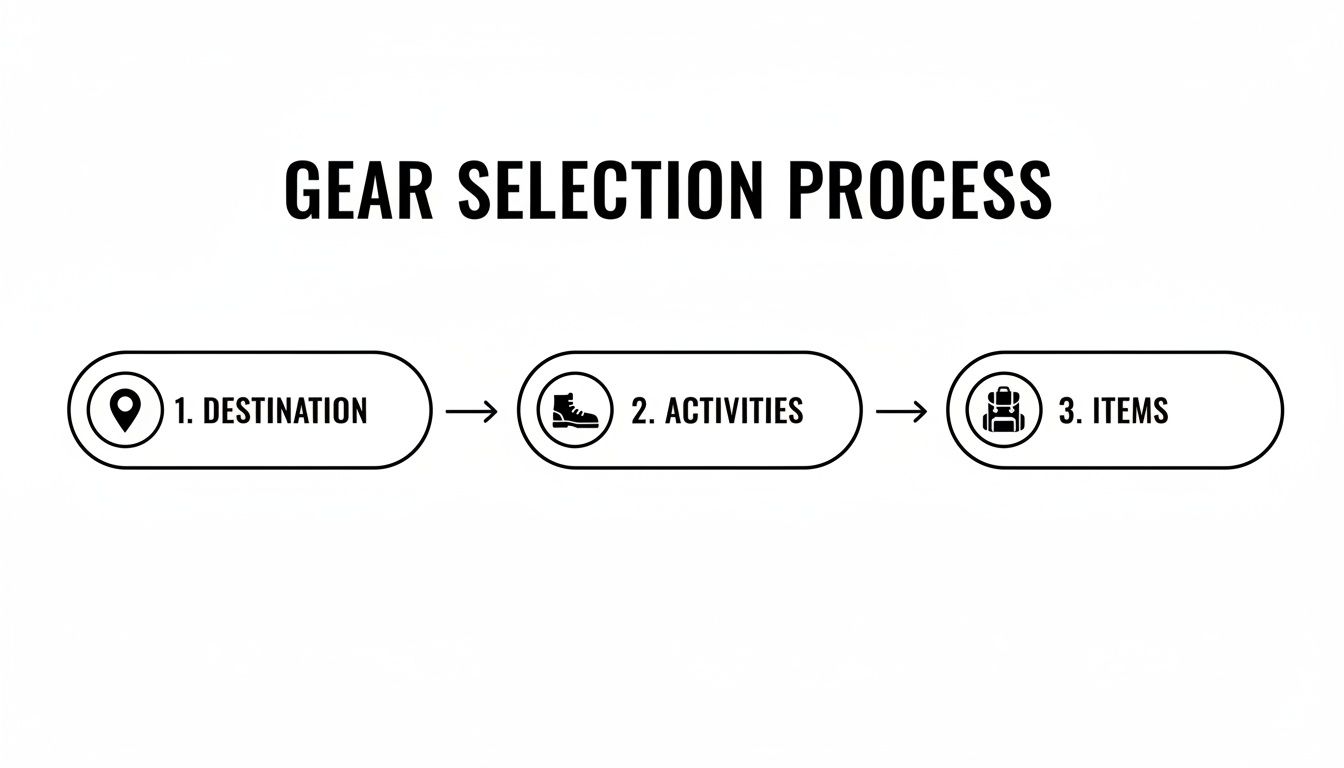
It shows how everything flows from your destination to your planned activities, which then dictates the exact gear you need.
Putting It Into Practice
Let's walk through a real-world scenario. Say you're packing for a weekend camping trip.
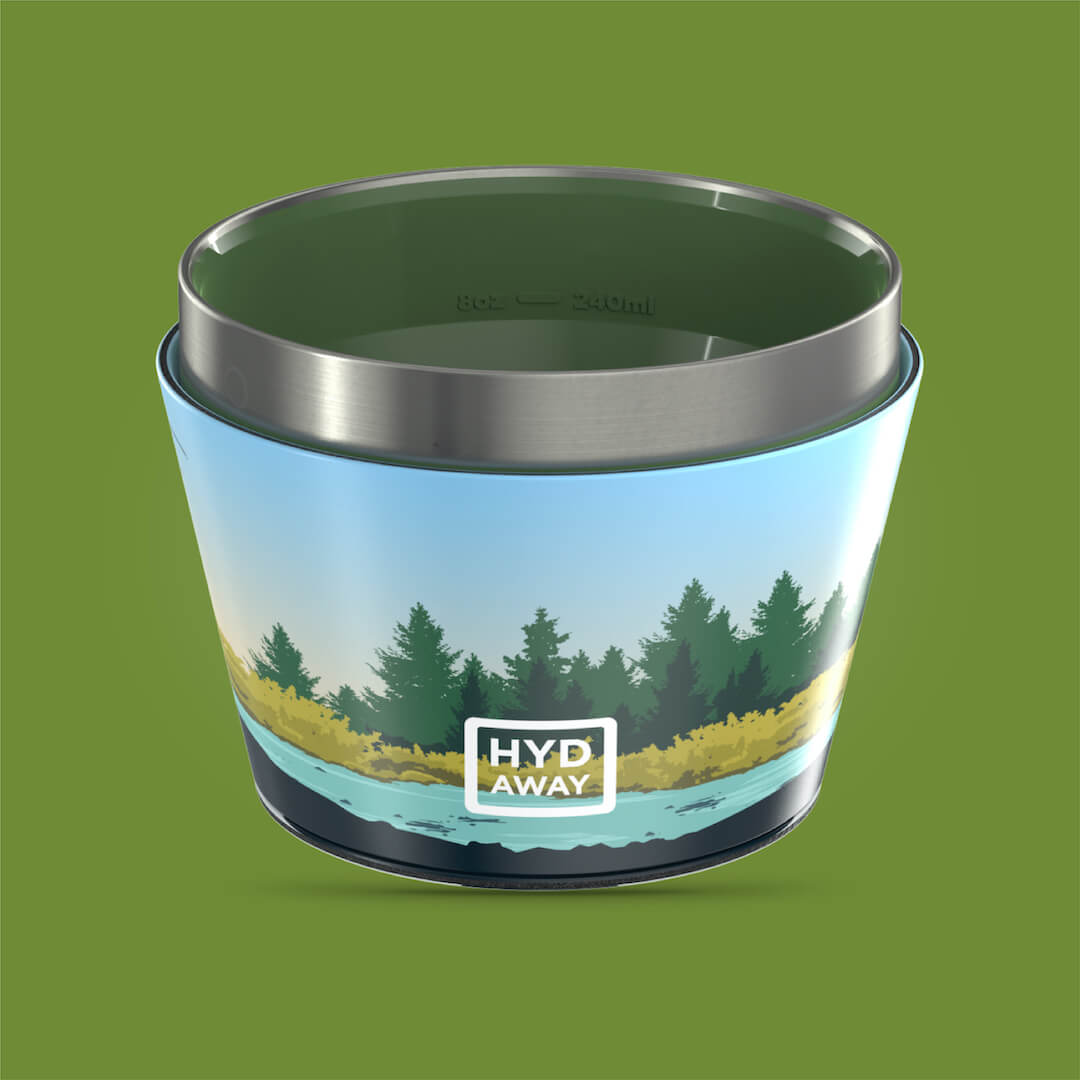
Your heaviest stuff is probably going to be your food, water, and cooking gear. A HYDAWAY Camp Kit, with its insulated bowl and utensils, should go right into that middle core zone. Same for your water bladder and food bag. This keeps that heavy weight locked in and stable, which is a lifesaver when you're on uneven trails or scrambling over rocks.
A well-balanced backpack becomes an extension of your body. An unbalanced one constantly fights you, pulling you backward and forcing your core muscles to overcompensate, leading to fatigue and discomfort.
Cinching It All Down
Once everything's inside, the last step is to make sure nothing can move. This is where your pack's compression straps earn their keep. Pull them tight to squeeze out any empty space. This stops your gear from shifting around while you're moving, which can throw off your balance at the worst possible moment.
You're aiming for a compact, solid pack that feels like one single unit against your back.
The principles of keeping heavy items centered and secure are surprisingly universal. For a different perspective on how important this is, you can find some great insights in these travel trailer towing tips, particularly on weight distribution. Whether you're carrying a pack or towing a trailer, the physics are pretty much the same.
Your Blueprint for a Perfectly Organized Backpack

Now that your gear’s weight is sorted, the real fun begins. A perfectly organized backpack is less about just fitting things in and more about creating a system where you can find exactly what you need without causing a gear explosion on the trail. It's time to say goodbye to frantically digging for a headlamp at the bottom of your bag when the sun goes down.
The secret is to stop thinking of your backpack as one giant container. Instead, picture it as a modular system with specific zones for every category of item. This simple shift turns packing chaos into a logical, stress-free process where everything has its place.
Embrace the Power of Compartments
Packing cubes and stuff sacks are your best friends here. They are the building blocks of any truly organized pack, letting you compartmentalize everything and compress clothing to save an incredible amount of space.
You're no longer dealing with a jumble of loose items. You’re creating dedicated modules for each category. Imagine having one small cube just for your electronics—cables, power bank, adapters—and another for socks and underwear. This strategy means you only need to pull out one small, neat bag to find what you're looking for.
Creating Your Modular System
Let’s walk through a real-world scenario. You're packing for a multi-day hiking trip. Here’s how you could break down your gear into specific modules:
-
The 'Kitchen' Cube: This is for everything food-related. It holds your dehydrated meals, snacks, spork, and of course, your HYDAWAY Insulated Bowl. Keeping it all in one spot makes mealtime quick and painless.
-
The 'Clothing' Cubes: Use a larger cube for main clothing like shirts and pants, and a smaller one for socks and underwear. Rolling your clothes tightly before putting them in the cubes compresses them even further.
-
The 'Essentials' Pouch: This small, easily accessible pouch holds your headlamp, pocket knife, first-aid kit, and anything else you might need in a hurry. You'll want to keep this right at the top of your pack or in a brain pocket.
-
The 'Toiletries' Bag: A waterproof bag is non-negotiable for this. Pack your toothbrush, solid toiletries, and sunscreen. Keeping it sealed prevents any accidental leaks from ruining the rest of your gear.
A modular system transforms your backpack from a chaotic pit into an organized, efficient mobile base. You'll spend less time searching and more time enjoying your adventure.
Don't Forget Smart Hydration
Smart organization extends to your water, too. There's a reason hydration backpacks have become a game-changer for adventurers. The global market is expected to rocket from USD 403.7 million in 2024 to a projected USD 661.6 million by 2030.
This surge, tracked by outlets like Grand View Research, highlights why smart hydration solutions like HYDAWAY's 17oz and 25oz collapsible bottles are essential for modern travelers. These bottles expand when you need them and then fold flat to slip into the tiniest pocket. It's a perfect system for van-lifers managing tight spaces or commuters trying to keep their bags uncluttered.
How Sustainable Packing Choices Make a Difference
How you pack your backpack is more than just a logistical puzzle—it's a powerful statement about your values. Every piece of gear you choose carries an environmental footprint, and making mindful choices can significantly reduce your impact while you explore the world. This approach turns your adventure into a force for good.
The simplest and most effective way to make a difference is by choosing durable, reusable gear over single-use items. This shift in mindset has a massive ripple effect. In fact, sustainability is reshaping how we travel, with consumer preference for green materials hitting 45% in major markets.
This demand is fueling a global eco-friendly backpack market projected to reach USD 21.74 billion by 2025. Brands are stepping up with gear like HYDAWAY's phthalate-free, collapsible accessories that directly replace disposables—a perfect fit for campers and overlanders where every inch of space is gold. You can check out more fascinating backpacking statistics that highlight these trends.
Practical Steps for Eco-Friendly Packing
Making sustainable choices doesn't mean you have to overhaul your entire gear collection overnight. It really just starts with small, deliberate swaps that add up big time.
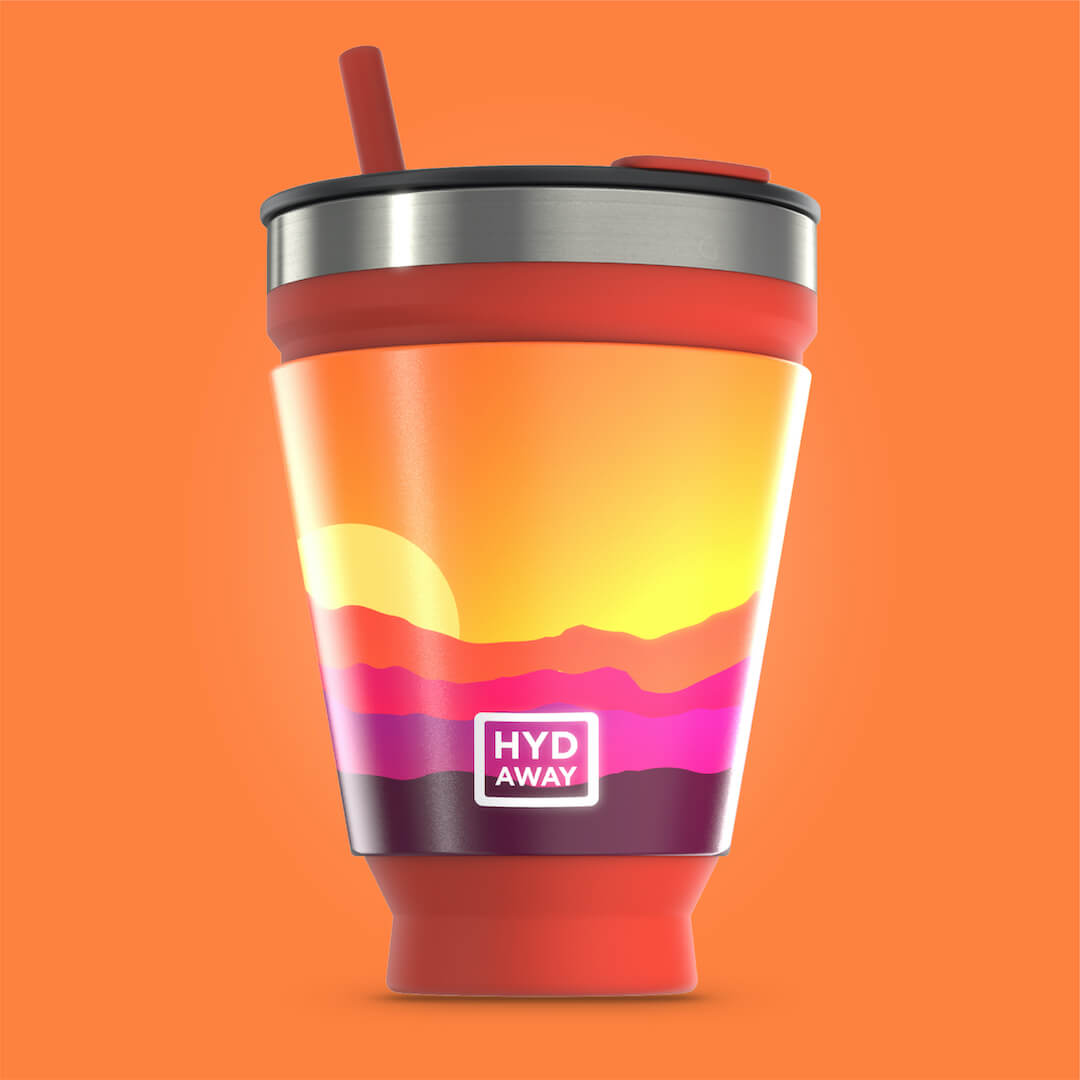
Think about your daily habits on the road. A single HYDAWAY Collapsible Bottle and Tumbler set can prevent the use of hundreds of plastic water bottles and disposable coffee cups over a year of travel. Just imagine the waste you'd save on a two-week trip through Southeast Asia by simply refilling your bottle at filtered water stations instead of buying plastic every day.
Choosing reusability isn't about sacrifice; it's about investing in smarter, more efficient gear that benefits both you and the planet. One durable item can prevent a mountain of trash from ever being created.
Beyond just your water bottle, you can apply this principle to other corners of your pack. Here are a few easy ideas to get you started:
- Go for Solid Toiletries: Shampoo bars, conditioner bars, and solid toothpaste tablets dramatically cut down on plastic packaging and, as a bonus, they'll never spill inside your bag.
- Always Carry a Reusable Tote: A lightweight, packable tote bag is invaluable for grocery runs at local markets, completely eliminating the need for single-use plastic bags.
- Pick Mindful Fabrics: When it's time for new clothes, look for brands that use recycled materials or natural fibers like merino wool, which is naturally odor-resistant and requires less washing.
These simple strategies are a great place to begin. For a deeper dive, our guide on how to reduce plastic waste offers even more tips for lightening your footprint.
Ultimately, learning to pack a backpack sustainably is about aligning your actions with your love for the outdoors. It ensures our wild places stay beautiful for generations of adventurers to come.
Your Top Backpacking Questions, Answered
Even the most seasoned traveler runs into a few last-minute packing puzzles. You’ve got your list, your gear is spread across the floor, but a few nagging questions always seem to pop up. Let's tackle some of the most common ones so you can get that bag zipped and head out the door with confidence.
How Do I Pack for Wildly Unpredictable Weather?
This is where a smart layering system becomes your best friend. Instead of wrestling with a single, massive jacket, think in threes. Pack a moisture-wicking base layer, an insulating mid-layer (like a trusty fleece), and top it all off with a waterproof outer shell.
This setup lets you adapt on the fly. Freezing in the morning? Wear all three. Sunny afternoon hike? Just the base layer will do. To really maximize space, roll each piece up tight. Pro tip: stuff them into a compression sack to shrink them down to an unbelievably small size.
What's the Best Way to Pack Liquids so They Don't Explode Everywhere?
First off, your best move is to ditch liquids altogether whenever possible. Solid toiletries—like shampoo, conditioner, and even toothpaste bars—are a game-changer for any traveler. For any liquids you absolutely must bring, decant them into smaller, high-quality, leak-proof travel bottles.
For an extra dose of security, take a small piece of plastic wrap, place it over the bottle's opening, and then twist the cap on. It creates a fantastic seal. And always, always store your liquids in a dedicated waterproof toiletry bag right in the stable, core section of your pack.
How Can I Carry Enough Water for a Long Hike Without All the Weight?
The secret is to stop thinking you need to carry all your water from the start. That's a rookie mistake that adds a ton of unnecessary weight. Instead, start your hike with one full bottle and bring along a reliable water filter or some purification tablets.
This strategy lets you drink what you have and safely refill from streams, rivers, or lakes along the trail. The HYDAWAY Collapsible Bottle is ideal for this—use it as your primary bottle, and once empty, it collapses to almost nothing, fitting easily in a pocket while you use a larger bladder or reservoir for the main haul.
This approach dramatically cuts down your starting weight, making those first few miles so much more enjoyable. A lightweight, collapsible bottle is perfect for this, as it takes up virtually no space when empty.
Are Packing Cubes Really Worth the Hype?
One hundred percent, yes. Packing cubes are one of the single best investments you can make for your travel sanity. They allow you to organize everything by category—all your shirts in one, socks and underwear in another, electronics in a third. You'll know exactly where everything is.
No more tearing your entire pack apart in a frantic search for a clean pair of socks. On top of that, they compress your clothing, freeing up precious real estate for other essentials or that cool souvenir you couldn't resist.
For all your adventures, having gear that adapts to your needs is essential. HYDAWAY creates collapsible, space-saving bottles, bowls, and tumblers that are perfect for any packing system. Discover our full line of adventure-ready gear at https://myhydaway.com.