


Your Guide to the Modern, Safe & Reusable Liquid Plastic Container

When you hear “liquid plastic container,” your mind probably jumps to the single-use water bottle you grab from a gas station cooler. But the truth is, the world of plastic containers has come a long, long way. The best versions today are all about safety, smart performance, and incredible packability—a world apart from the flimsy, disposable bottles we’ve relied on for decades.
The Evolution of the Liquid Plastic Container

For years, the plastic container’s biggest selling point was sheer convenience. It made hydration easy and accessible, whether you were packing a school lunch or traveling across the globe. We all got used to it.
That collective reliance on easy packaging has created a staggering global industry. The plastic container market was valued at USD 106.3 billion in 2023 and is expected to balloon to USD 168.7 billion by 2032. This massive growth just goes to show our need for lightweight, grab-and-go options in our busy lives. You can dive deeper into the numbers by exploring the full plastic container market analysis and see just how big the demand really is.
A Shift Toward Smarter Reusables
But a major shift is happening. We’re all starting to demand more than just convenience. We want performance, safety we can trust, and products that align with our sustainable values. The drawbacks of single-use plastics are clearer than ever, paving the way for a new generation of smart, reusable containers built for the way we live now.
Think about the real-world needs of different people today:
- The Family at a Theme Park: Instead of shelling out for overpriced disposable bottles all day, they need a lightweight, easy-to-clean container for everyone that can be refilled for free at water fountains. For them, a HYDAWAY bottle means staying hydrated without the constant cost and waste.
- The Hiker on a Remote Trail: Every single ounce of pack weight counts. A bulky, empty bottle is just wasted space, making a durable container that collapses down after use an absolute game-changer. Packing a HYDAWAY means more room for essential gear and less bulk on the trek back.
- The Daily Commuter: A leakproof bottle that fits into a work bag without hogging space is a must-have for staying hydrated between home, the gym, and the office. A collapsible HYDAWAY bottle flattens to fit in a purse or pocket after a morning coffee, so it’s never in the way.
Convenience Without Compromise
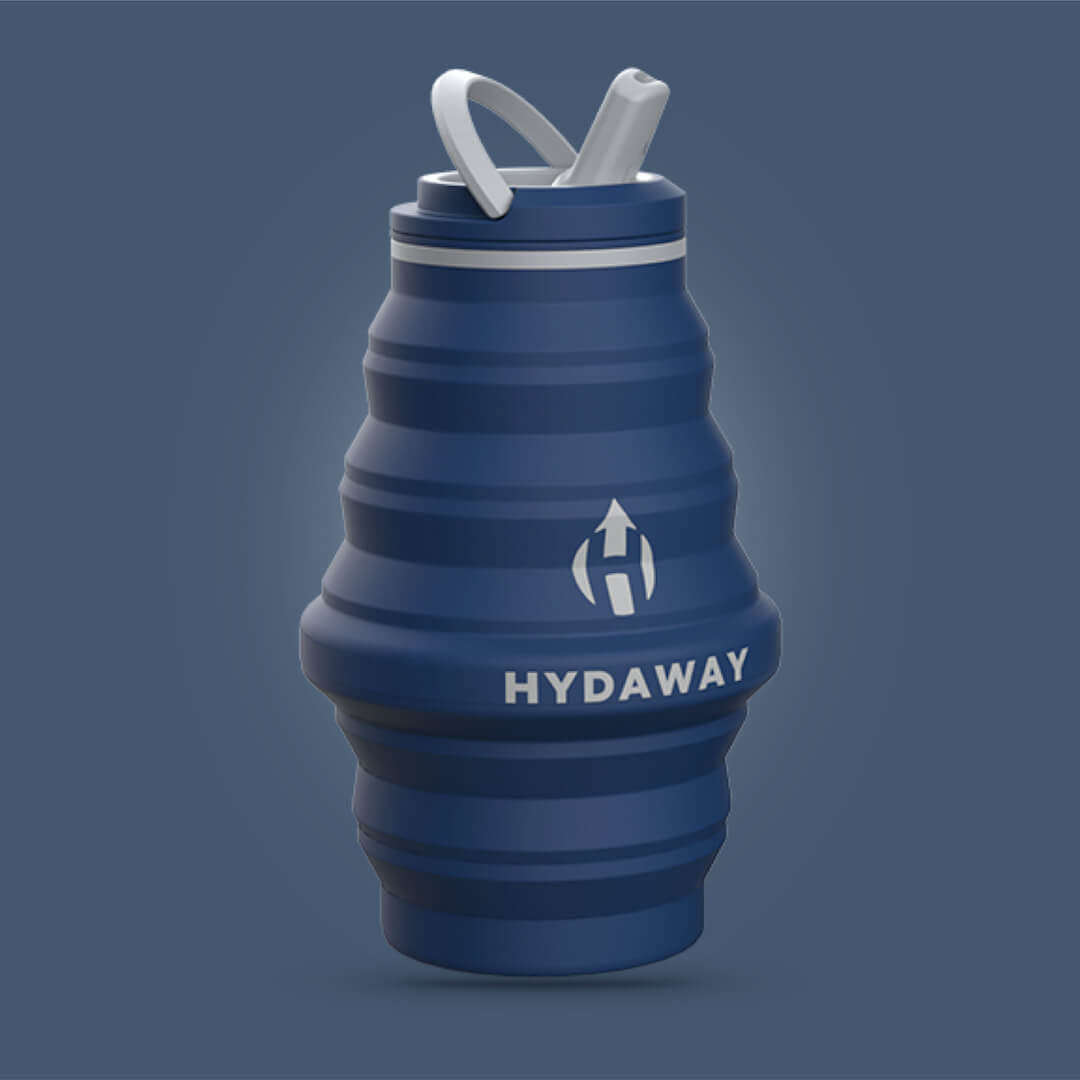
This is where truly innovative design makes all the difference. A modern liquid plastic container has to solve these real-world problems. For example, a HYDAWAY collapsible bottle is a perfect fit for every one of these scenarios. It gives you the on-the-go ease of a disposable bottle but with the lasting benefits of a high-performance reusable.
By collapsing down to just over an inch thick, it saves precious space in a daypack, a carry-on, or even your pocket. That’s not just a cool feature; it’s a genuine solution that adapts to your life, whether you're navigating airport security or packing for a weekend camping trip.
As we dig into what makes a great liquid plastic container, we’ll focus on the things that really matter: the materials inside, the safety certifications to look for, and the performance features you’ll actually use. This guide will help you finally move past disposables and choose a smarter, more sustainable way to stay hydrated.
The Stuff Your Container Is Made Of

When you pick up a liquid container, you’re holding a piece of carefully chosen material science. It’s a bit like picking out a jacket—some are only meant for a single, gentle outing, while others are built to handle years of wear and tear in the wild.
The world of plastics is huge, but when it comes to holding our food and drinks, you'll run into two types constantly: PET and HDPE. You see them every day, even if the names don't ring a bell.
Decoding Common Disposable Plastics
Polyethylene Terephthalate (PET or PETE) is that clear, flimsy plastic used for almost every single-use water, juice, and soda bottle out there. It’s cheap and you can see what’s inside, but it was never meant for a second life. Start washing it repeatedly or leaving it in a hot car, and it can begin to break down.
High-Density Polyethylene (HDPE) is the tougher, usually cloudy plastic you see in milk jugs and detergent bottles. It’s definitely more robust than PET, but it has a nasty habit of holding onto odors and flavors. That’s not exactly what you want in a reusable bottle you’re counting on day after day.
These plastics are fine for their one-and-done purpose, but they just don’t cut it for anyone looking for a reliable, long-term travel companion. They’re a temporary fix in a world that desperately needs more durable solutions.
The Gold Standard for Reusables: Food-Grade Silicone
For those of us who demand more from our gear, food-grade silicone is in a league of its own. Unlike petroleum-based plastics like PET and HDPE, silicone actually comes from silica—a natural element you find in plain old sand. This one difference from the ground up gives it a whole list of amazing qualities.
Think of it as the high-performance technical fabric of the container world. It’s flexible yet incredibly tough, and it’s completely non-porous. That means last week’s coffee won't haunt today's fruit-infused water.
One of silicone’s killer features is its exceptional heat resistance. You can pour boiling water into a silicone container for tea or toss it in the dishwasher on a high-heat cycle. You never have to worry about it warping or, more importantly, leaching nasty chemicals.
This leads us to a huge point: safety. While lots of hard plastics are now sold as "BPA-free," food-grade silicone is naturally free of BPA, phthalates, and other sketchy chemicals right from the start. If you want to dive deeper, you can learn more about what "BPA-free" really means and why it’s so critical for your health.
This is exactly why all HYDAWAY products are built exclusively with certified food-grade silicone. It gives you the peace of mind that comes from a material that’s inherently safe and built to last. It’s engineered to survive thousands of uses, from the daily commute to your biggest adventures, ensuring your bottle is a trustworthy partner, not a disposable problem.
How to Ensure Your Liquid Plastic Container Is Safe
When you’re picking out a container for yourself or your family, safety should be at the top of the list. After all, you're not just carrying water; you're holding something you'll be drinking from every single day. Unfortunately, with a massive global market for plastics, not all bottles are created equal, and some of the cheaper ones can carry hidden health risks.
This is exactly why a little know-how goes a long way. The global plastics market is a giant, powering packaging for literally everything and is expected to grow from USD 634.3 billion in 2024 to a staggering USD 813.1 billion by 2030. With that much plastic flooding the world, taking a closer look at what your container is actually made of is a very smart move. You can dig into the sheer scale of the plastic bottle and container market to see why being a savvy consumer matters more now than ever.
What Are BPA and Phthalates Anyway?
You’ve probably seen the "BPA-Free" label on just about everything, but what does that really mean for you? BPA (Bisphenol A) is an industrial chemical that was, for years, used to make certain hard, clear plastics like polycarbonate—a common material in old-school water bottles and even the linings of food cans.
The big problem is that BPA can sneak out of the plastic and into your drink, especially when it gets warm. Ever leave a cheap, disposable bottle in a hot car? That’s the perfect recipe for chemicals to leach into your water. Over time, exposure has been linked to a number of health concerns, which is why "BPA-free" has become the gold standard.
Then there are phthalates. These are chemicals added to plastics to make them more flexible and durable. While they do their job in manufacturing, they're also known endocrine disruptors, which means they can mess with the body's natural hormone systems.
Look for More Than Just a Label
A "BPA-Free" sticker is a great start, but it doesn't paint the whole picture. The safest bottles and containers go the extra mile to prove they are free from all harmful substances, including phthalates and other unwanted additives. This is where brand reputation and third-party testing become your best friends.
Choosing a container from a trusted brand that is transparent about its safety certifications gives you complete peace of mind. For example, all HYDAWAY products aren't just BPA-free; they’re also independently tested and certified to be free of phthalates, lead, and PVC. That commitment means the water you drink is as pure as you expect it to be.
This is especially critical for families. When you hand a water bottle to your kid for school or a day at the park, you need to be 100% confident it’s made from materials that won’t harm their health, no matter how many times it’s refilled or left sitting in the sun. Choosing a certified-safe HYDAWAY bottle takes that worry right off your plate.
Your Simple Safety Checklist
Figuring out which plastic container is safe doesn't need to be a headache. When you're ready to buy, just run through this simple checklist to make a choice you can feel good about:
- Verified BPA-Free: Don't just trust the label. Look for brands that clearly state their products are BPA-free and can back it up with real info.
- Phthalate-Free Guarantee: Since phthalates are common in flexible plastics, make sure the brand also guarantees its products are free from these chemicals.
- Third-Party Certification: This is the gold standard. A certification from an independent lab is proof that the product has been rigorously tested and meets strict safety standards for anything that comes in contact with food.
- Made from High-Quality Materials: Stick with containers made from food-grade silicone or other premium, non-toxic materials known for being stable and durable.
By keeping these points in mind, you can be sure your reusable container is a safe, reliable sidekick for all your daily hydration needs—from your morning commute to your family’s next big adventure.
Choosing a Container That Performs Under Pressure
A great reusable container needs to do a lot more than just hold water. Out in the real world, its true worth is measured by how it performs under pressure—whether that’s getting squished into an overstuffed backpack, dropped on a rocky trail, or just surviving the daily commute without leaking all over your laptop.
While durability and a watertight seal are absolute must-haves, packability has become the real game-changer for modern life.
The Problem with Traditional Bulky Bottles
Anyone who's ever tried to jam a bulky, rigid water bottle into a full bag knows the frustration. It’s an awkward space-hog that stays the same size whether it’s full or empty. This is a huge downside for anyone trying to travel light, from a family heading to a theme park to a digital nomad living out of a carry-on.
This is where the design of your bottle truly matters. A bottle that can adapt to your needs by shrinking down when it’s not in use isn't just convenient; it's a smarter way to carry your gear.
A leaky bottle next to your electronics is a day-ruining disaster. A durable one that survives being dropped is essential for any adventure. But a container that performs well and saves space is the ultimate solution for today's mobile lifestyle.
This is especially true for activities where every ounce and inch counts. For example, any ultimate light backpacking gear list will prioritize gear where weight and packability are critical, including smart choices for liquid containers.
The Power of Packability and Collapsible Design
Imagine a container that works perfectly when it's full but practically disappears into your bag when it's empty. That's the core idea behind a collapsible design. A well-engineered collapsible container gives you all the durability and leak-proofing of a rigid bottle but with the added superpower of compression.
Of course, performance and packability have to go hand-in-hand with safety.

By making sure your container is BPA-free, has been third-party tested, and comes from a trusted brand, you can be confident its performance is matched by its safety.
For instance, HYDAWAY bottles are designed to collapse down to just over an inch thick. This isn't just a party trick; it’s a genuinely practical feature that completely changes how you pack and travel. Suddenly, you have more room for a jacket, a book, or that souvenir you just had to have.
Let's look at how this plays out in the real world:
- For the Traveler: A HYDAWAY bottle means you can breeze through airport security with it empty and collapsed, then fill it up at a water station on the other side. On your flight home, it takes up virtually no space, freeing up precious room in your carry-on for souvenirs.
- For the Parent: Keeping kids hydrated at a music festival is way easier when their bottle can be stashed in a small bag after they’re done. A HYDAWAY lightens their load and keeps their daypack from becoming a cluttered mess.
- For the Commuter: After your morning hydration at the gym, your bottle can be flattened and tucked into a purse or pocket. No more lugging around a bulky, empty container all day.
Reusable Container Feature Comparison for Modern Lifestyles
Choosing the right container often comes down to balancing different features against your daily needs. This table breaks down how different types of bottles stack up for everything from travel to your daily commute.
| Feature | Rigid Plastic/Metal Bottle | Glass Bottle | HYDAWAY Collapsible Container |
|---|---|---|---|
| Leak-Resistance | Generally high | High (if sealed well) | High (watertight seal) |
| Durability | High to very high | Low (prone to breaking) | High (flexible & shatterproof) |
| Weight | Moderate to heavy | Heavy | Ultra-lightweight |
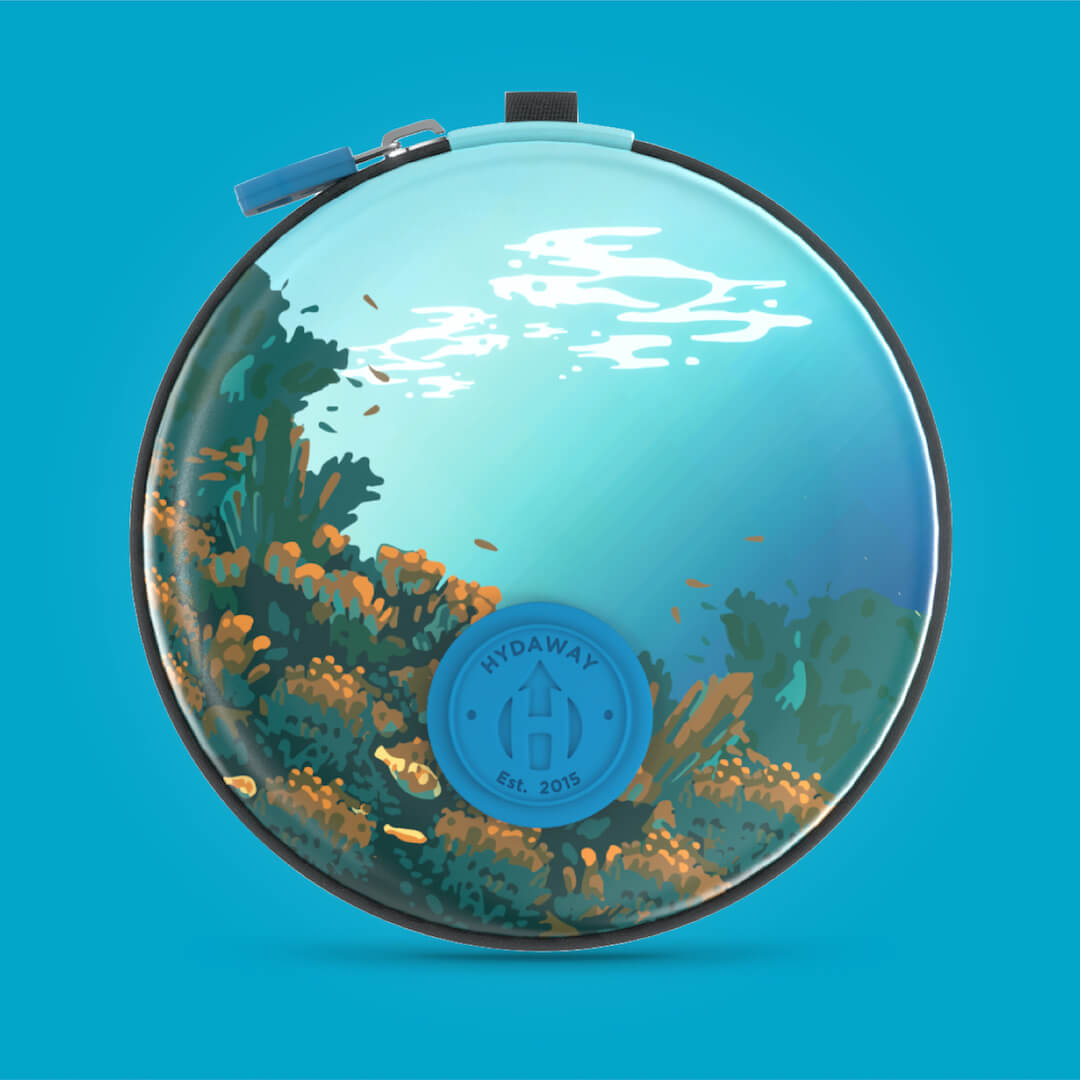
| Packability | Poor (takes up full space when empty) | Poor (takes up full space when empty) | Excellent (collapses to a thin disc) |
| Insulation | Varies (good in insulated models) | Poor | Fair (can handle hot or cold) |
| Best For | Hiking, gym use, general daily carry | Home, office, gentle use | Travel, commuting, kids, outdoor events |
While rigid bottles have their place, the unmatched packability of a collapsible design offers a clear advantage for anyone who is on the move and values efficiency.
This level of packability is a performance feature that traditional rigid bottles simply can’t match. It’s an intelligent design that adapts to the fluid nature of your day, ensuring your gear supports your life instead of getting in the way. By choosing a container that is not only durable and leakproof but also incredibly packable, you are investing in smarter performance that makes every journey, big or small, just a little bit easier.
The Environmental Impact of Your Container Choice
That simple choice you make for your daily drink—disposable or reusable?—feels small. But it isn't. Every single day, that decision echoes, multiplied by millions of us, creating an environmental footprint that’s frankly staggering.
Our collective thirst for convenience has led to an explosion of single-use plastics. The market for liquid packaging, which is almost all single-use plastic, is set to jump from USD 382.4 billion in 2024 to a mind-boggling USD 578.8 billion by 2032. You can dig into the numbers yourself with this latest liquid packaging market analysis, but the takeaway is clear: we’re producing a mountain of plastic our planet just can't digest.
But here’s the good news. Instead of dwelling on the problem, let’s talk about the power you have to fix it.
Your Positive Impact Personified
Making the switch to a reusable liquid plastic container is more than a nice thought; it’s a direct, measurable step toward a healthier planet. Let's do some quick, real-world math.
If you skip just one disposable bottle a day (and for many of us, it’s more), you’ve saved 365 bottles in a single year. Keep that up for five years, and you alone will have prevented over 1,800 single-use plastic bottles from ever ending up in a landfill, the ocean, or an incinerator. That's a huge personal win.
Your choice is a vote. Every time you refill a reusable container, you're voting for less pollution, fewer resources consumed, and a cleaner world. You're turning a daily habit into a positive environmental statement.
This is especially true for those of us who love to travel or have kids in tow. Imagine hiking through a stunning national park and leaving nothing behind but your footprints. A HYDAWAY bottle gives you all the hydration you need without adding to the trash that spoils so many beautiful places.
The Lifecycle of Your Choice
To really get it, let's look at the journey of two different containers: a standard single-use PET bottle and a durable, food-grade silicone container.
- The Disposable PET Bottle: Its life is short and demanding. It’s born from virgin petroleum, shipped to a bottling plant, filled, sent to a store, used exactly once, and tossed. Best case? It gets "downcycled" into a lower-quality product. Worst case? It ends up polluting our environment for centuries.
- The Reusable Silicone Container: Its story is a long and happy one. A HYDAWAY container, made from abundant silica, is designed for thousands of uses. The initial impact of making it is spread so thin over years of service that its per-use footprint becomes almost zero. By the end of its long life, it has stopped a mountain of single-use waste from ever being created.
For anyone trying to live a bit more sustainably, the choice becomes pretty clear. A tough, reusable liquid plastic container like a HYDAWAY bottle lets you align your daily routine with your values. It empowers you to see the world, get through your commute, and care for your family without leaving a trail of plastic behind. Check out our guide on how to reduce plastic waste for even more simple tips.
How to Clean and Maintain Your Reusable Container
You’ve made the switch to a high-quality reusable container—awesome! That's a great move for both your wallet and the planet. Now, let’s make sure that great investment pays off by keeping it in top shape for a lifetime of adventures and daily commutes.
The good news? Keeping a modern container clean is way easier than you might think, especially if it's made from premium stuff like food-grade silicone. We're long past the days of needing special tools and endless scrubbing.
Daily Cleaning for Freshness
The absolute easiest way to keep your bottle fresh is with a quick rinse right after you use it. Just finished your water? Give it a good swish with warm water before you pack it up. This simple move prevents any residue from setting up shop and is often all you need.
If you’ve had something else in there—like a morning smoothie or a flavored electrolyte drink—it's smart to add a little soap. A single drop of dish soap, some warm water, a good shake, and a thorough rinse will do the trick.
Simple Steps for a Deep Clean
Even with diligent daily rinsing, every reusable bottle deserves a good deep clean every so often. This is your chance to knock out any stubborn residues, banish potential odors, and get your bottle perfectly sanitized and ready for its next mission.
- Disassemble If Possible: If your lid or cap has multiple parts, take them apart. This is the only way to make sure every nook and cranny gets sparkling clean.
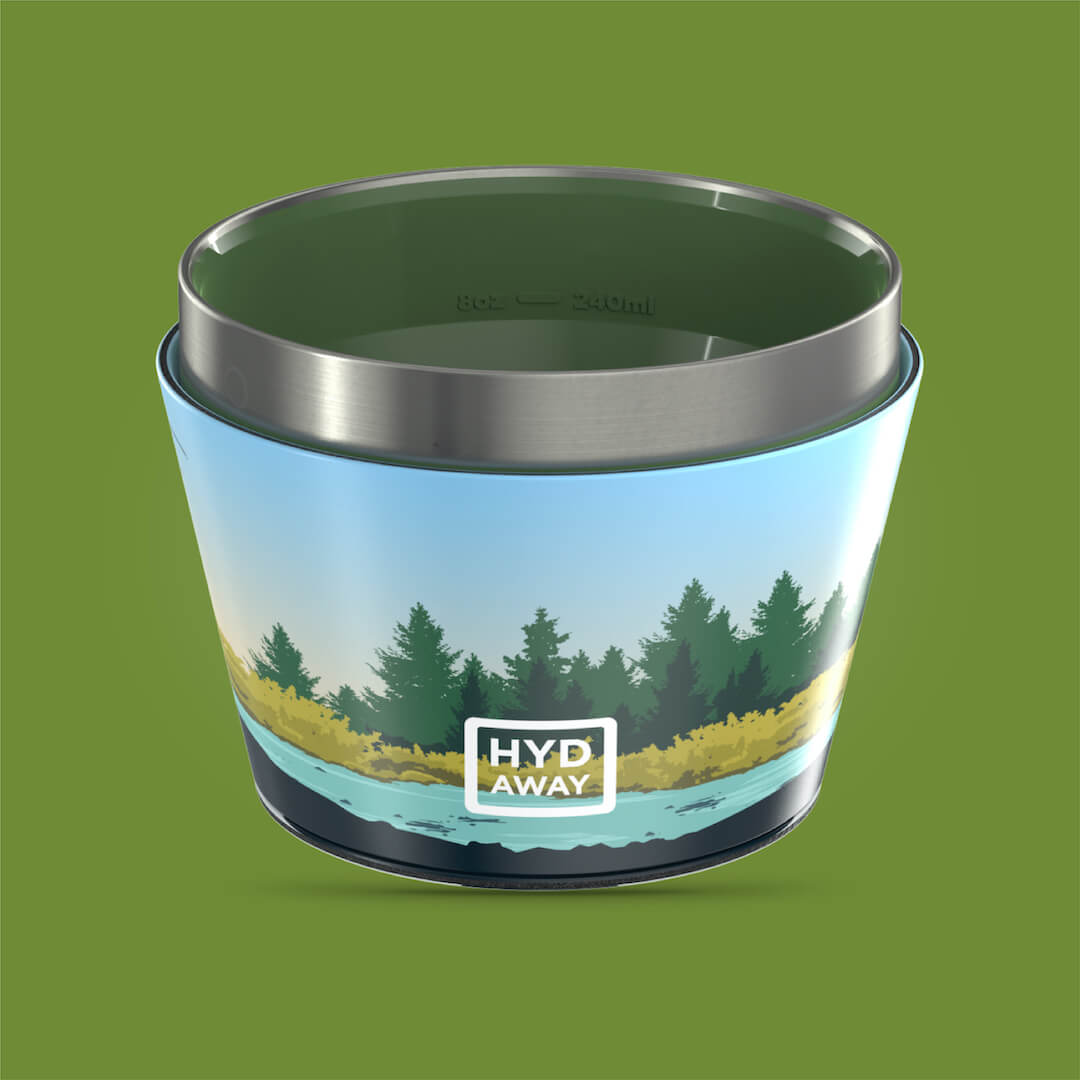
- Use the Dishwasher: This is the ultimate set-it-and-forget-it method. A huge perk is that all HYDAWAY products are top-rack dishwasher safe. Just expand your bottle or bowl, place it on the top rack, and let the machine work its high-heat magic.
- Wash by Hand: Prefer the hands-on approach? No problem. Use warm, soapy water and a bottle brush to give the inside a good scrub. Don't forget to pay a little extra attention to the bottom and any threads or crevices in the lid.
- Tackle Stubborn Issues: For lingering smells or tough stains, a paste of baking soda and a splash of vinegar can work wonders. Let it sit for about an hour before washing as usual. You can also use cleaning tablets designed specifically for bottles. To learn more, check out our guide on how bottle cleaner tablets work.
A Critical Tip for Collapsible Containers: Always, always, always make sure your collapsible container is completely bone-dry before you collapse it for storage. Trapped moisture is enemy number one, leading to mold and musty smells. Just leave it expanded on a drying rack overnight to let the air do its job.
By following these simple tricks, you’ll ensure your liquid plastic container stays clean, safe, and ready to go whenever you are. A little bit of care means your HYDAWAY gear will be your reliable sidekick for your next workout, commute, or trip around the world for years to come.
Your Questions Answered
Picking out a new reusable container can bring up some questions. To make sure you feel great about your choice, we’ve tackled some of the most common ones we hear, offering up some practical, no-nonsense advice.
Is Food-Grade Silicone Really Better Than BPA-Free Plastic?
Yes, hands down. While a "BPA-free" label is a decent start, it doesn't tell the whole story. Food-grade silicone is a step above because it’s naturally pure—no BPA, no phthalates, no mystery chemicals. You never have to wonder what might be leaching into your drink.
Beyond that initial peace of mind, food-grade silicone is just tougher. It handles both scorching hot and icy cold temperatures without warping or breaking down. That means you can pour hot tea into your HYDAWAY bottle or run it through the dishwasher on high-heat, which is often a no-go for many rigid "BPA-free" plastics. Silicone is also non-porous, so it won’t hang onto weird stains or smells, making it a much more pleasant and long-lasting choice.
How Do I Keep My Collapsible Bottle From Having a Weird Taste?
That funky "plastic" taste usually comes from two culprits: low-quality materials or leftover residue from the factory. We specifically use high-quality, certified food-grade silicone for all HYDAWAY products because it's non-porous and won't give your water any unwanted flavors.
That said, it's always a good idea to wash any new container before you use it. A quick scrub with hot, soapy water or a trip through the dishwasher is all it takes to clear away anything left over from the manufacturing process. Your water will taste like, well, water. Fresh and clean from the very first sip.
Are Collapsible Containers as Durable as Rigid Ones?
You bet. A well-made collapsible liquid plastic container is engineered for life on the move. They’re built with tear-resistant silicone and leakproof seals designed to handle the bumps and tumbles of travel and daily use.
Think of it this way: when a rigid bottle gets dropped, it can crack, dent, or even shatter. A flexible silicone bottle, like a HYDAWAY, is made to absorb that impact. This often makes it the more resilient and durable choice for hiking, traveling, or just getting tossed around in a kid's backpack.
Keeping any reusable container clean is key, especially for things like office water coolers that see a lot of use. For more tips, you can learn about cleaning and maintaining water dispensing systems to keep everything hygienic.
Ready to find a container that’s safe, tough, and ridiculously packable? Check out HYDAWAY's collection of collapsible gear and discover a smarter way to stay hydrated wherever you roam. Shop Now.