


Light Hydration Pack: The Ultimate Buyer's Guide (2026)

You’re probably looking at a pile of options right now. A running vest that looks fast but tiny. A hiking pack that seems versatile but bulky. A travel daypack that works in airports, then feels clumsy on a trail. The hard part isn’t finding a light hydration pack. It’s building a setup that stays comfortable when you’re moving and stays compact when you’re not.
That’s the part a lot of gear advice skips.
In Bend, I see the same mistake over and over. People shop for a pack as a standalone product, then try to force every trip into that one system. It works until the day hike turns warm, the airport refill line gets annoying, the theme park fountain is the only water source nearby, or the trail run turns into a longer outing than planned. A better approach is to think in systems. Your pack carries water, layers, snacks, and tools. Your hydration setup should adapt just as well.
Why a Light Hydration Pack is Your New Best Friend
You notice the difference about 30 minutes into the day. On a steep trail outside Bend, on a hot stadium stair workout, or on a travel day where you have to refill twice before noon, the wrong pack starts nagging at you. A light hydration pack keeps water easy to reach and keeps the rest of your gear from feeling like a chore.

That matters because hydration only works if you drink. A bulky pack tends to sag, bounce, and make simple things annoying. Once that starts, people delay sips, carry extra "just in case" gear, and end up less comfortable than they would with a smaller, better-organized system.
Less pack means more usable energy
A lighter setup wastes less of your attention.
I see it all the time on local day hikes. Someone heads up Pilot Butte or out toward Smith Rock with a big pack meant for an all-day outing, but they are only carrying a jacket, snacks, and a liter or two of water. By the second climb, the pack is shifting because it is half full, the water is harder to access, and they are fiddling with straps instead of enjoying the trail.
A light hydration pack fixes that by keeping the load closer to your body and limiting dead space. The benefit is not abstract. You get steadier movement on uneven ground, quicker access to water, and less shoulder fatigue late in the outing.
The same thing shows up on short runs. If you're building toward the kind of distance covered in Zing Coach's 3-mile guide, a full backpack is overkill, but going without water is not always the answer either, especially in dry summer conditions. A low-bulk pack or vest with a compact bladder gives you enough water without turning an easy run into gear management.
Practical rule: If a pack makes you think about the pack every few minutes, it is too big, too loose, or carrying water in the wrong format for the day.
Lightweight is a philosophy, not a trend
The best lightweight setups are selective. They trim bulk from the pack body, then put flexibility into the hydration system itself.
That distinction matters. Water is usually the heaviest thing in a light pack, so smart carrying beats chasing tiny weight savings in zippers and fabric. A primary bladder works well when you want steady sipping on the move. A collapsible bottle solves different problems. It gives you extra capacity at the airport, a backup container for a refill stop, or a way to carry electrolyte mix separately without dedicating permanent space in your pack.
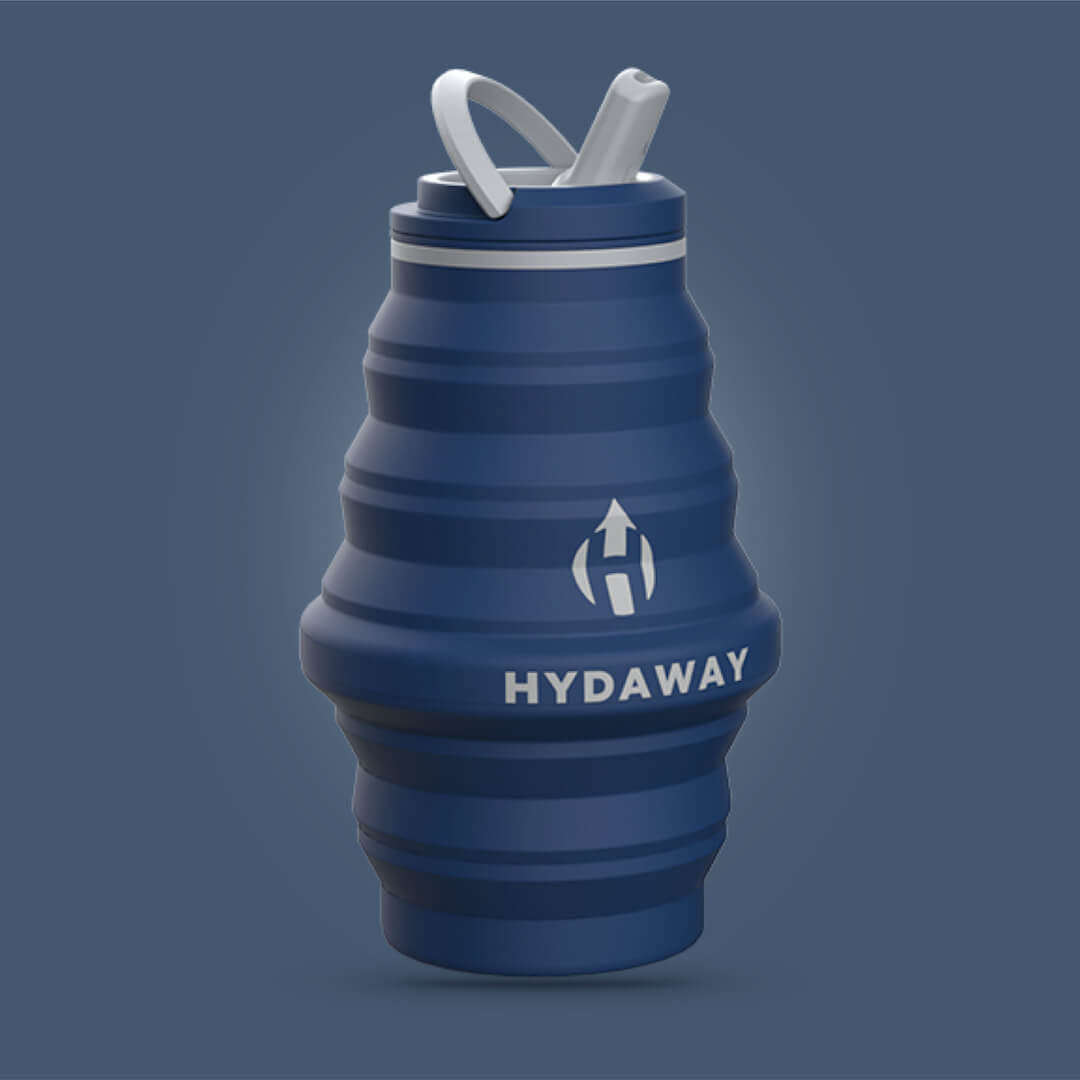
That is why I like a system approach more than a pack-only approach. For a short hike, the bladder may be enough. For travel or a longer day with uncertain water access, adding a collapsible HYDAWAY bottle gives you reserve capacity that disappears when empty instead of taking up the same space all day. Fixed systems cannot do that as well.
Light gear should make the day feel simpler. When your water setup adapts to the plan, and to the surprises that come with real travel and real trail time, you carry less bulk and have more fun.
Matching Your Pack to Your Adventure
A light hydration pack works best when it matches how the day unfolds. The setup for a dusty loop above Bend is different from the setup for a travel day, a quick run, or eight hours on your feet with kids. Start with movement, refill access, and how often your plan changes. Then choose the pack and the water carry.

The day hiker who wants enough, not everything
For a half-day hike, a small hydration backpack usually makes more sense than a full daypack. You need water, a shell or light fleece, snacks, and a few small items you can reach quickly. The pack should stay close to your body when you step over rock, duck under brush, or pick up the pace on the way back to the trailhead.
For most day hikers, a moderate-capacity reservoir paired with compact storage is the practical middle ground. Big empty volume tends to create two problems. The load shifts more, and people fill the extra space with gear they never use.
What helps on this kind of trip:
- A close, stable fit: less sway on uneven trail
- Quick-access pockets: easy reach for snacks, sunscreen, and a phone
- Just enough cargo room: space for one layer and basic trail items
What causes trouble:
- Long, narrow pack bodies: weight sits awkwardly and moves around
- Overbuilt organization: more places to lose small gear
- Extra capacity for “maybe” items: more bulk, more fiddling, less fun
The traveler who needs one setup to do two jobs
Travel exposes the weakness of fixed hydration systems fast. A pack can feel fine on a short hike, then become annoying in security lines, cramped under an airplane seat, or bulky while walking around town after the water is gone.
That is why I recommend building a hydration system, not just buying a pack. Use a slim bladder as the main trail setup if you want hands-free drinking. Add a collapsible bottle for the parts of the day that do not behave like a trail day. A HYDAWAY bottle is useful here because it can carry extra water after you land, hold an electrolyte mix separately, then flatten down when you are done instead of rattling around half-empty.
If your trips include cold-weather use, it also helps to compare insulated hydration pack options for winter and shoulder-season adventures before you commit to one setup.
A useful travel setup should do three jobs well:
- Transit mode: low profile, easy to stash, not covered in dangling parts
- Day mode: fast access to water, documents, and a layer
- Destination mode: simple to compress or pack away when you stop moving
The runner or walker building consistency
For short runs, brisk walks, and everyday training, bounce control matters more than cargo space. A small vest or very compact pack usually feels better than a traditional daypack because it keeps water tighter to the body and puts fuel within reach.
If you are building toward a realistic daily distance, Zing Coach's 3-mile guide gives a solid picture of how manageable that goal can be. For that kind of effort, the right setup is usually minimal. Enough water to stay comfortable. Enough storage for keys, a gel, and maybe a light layer.
A pack that lets you drink without breaking stride usually gets used more often.
The parent or theme park regular who hates carrying dead bulk
This use case deserves more attention. All-day walking in a crowded park, zoo, or festival punishes clumsy gear. Large packs catch on seats, bump into people, and collect extra stuff by noon.
A compact pack with a simple water setup is easier to live with. Refill stations matter. So does the ability to shrink your carry once bottles are empty. This is another place where a bladder-plus-collapsible-bottle system works better than rigid storage alone. The pack handles the basics, and the extra bottle gives you flexible capacity without forcing you to carry dead space all day.
Here is a quick match-up:
| Outing | Best pack style | What to prioritize |
|---|---|---|
| Local day hike | Small hydration backpack | Stability, room for one layer, easy trail access |
| Travel day | Packable hydration daypack | Low profile, flexible water carry, easy stowage |
| Short run or brisk walk | Hydration vest | Bounce control, front access, minimal bulk |
| Theme park or zoo day | Small light pack | Refill convenience, compact shape, less dead space |
The best choice depends on how you move, where you refill, and whether your water storage can adapt when the plan changes.
Decoding Key Features for a Smart Purchase
A light hydration pack works best when the whole system makes sense on your body and in your day. Weight, water capacity, pocket layout, and refill strategy all affect each other. Buy from the spec sheet alone and it is easy to end up with a pack that looks efficient online but feels clumsy after an hour outside.

Weight only matters in context
Raw ounces are useful, but only if you compare them to what the pack carries well.
The Deuter Speed Lite 13 weighs 13.1 ounces with a 13-liter capacity, and the Salomon Adv Skin 12 weighs 8.7 ounces in the unisex version and 8.3 ounces in the women’s version, according to CleverHiker’s review of the best hydration packs. CleverHiker also notes that water weight adds up fast and that most reservoirs land in the 1 to 3 liter range. That matters because the lightest pack in the lineup can still be the wrong buy if it folds into your back once you load real gear and real water.
A good light pack earns its place by doing four things well:
- Carries enough for the trip without wasted volume
- Stays stable while you walk, run, or scramble
- Keeps water easy to access
- Supports the load instead of sagging under it
I usually tell friends in Bend to treat pack weight as the starting point, not the verdict. An extra ounce or two for a better harness, smarter pocket placement, or cleaner hose routing often pays off more than chasing the absolute lightest model.
Reservoir size changes how the pack feels
Reservoir choice affects more than hydration. It changes balance, refill frequency, and how much flexibility you have once plans shift.
A smaller reservoir makes sense when water is easy to find. A larger one makes sense on dry trails, long transfers, or any day when refill points are uncertain. The catch is that bigger capacity adds weight high on the back, and some minimalist packs handle that better than others.
A simple filter works well:
- Frequent refill access: choose a smaller bladder and keep carried weight down
- Long gaps between water sources: carry more in the main reservoir
- Mixed-use days with trail time and town stops: use a bladder for steady sipping and a secondary bottle for flexible capacity
That last setup solves a lot of real problems. A fixed hydration system is neat until you want to mix electrolytes, grab a quick refill at an airport fountain, or carry extra water for one hot stretch and then pack it away.
Build a system, not a bladder-only setup
Bladders and bottles do different jobs. The best setup often uses both.
A bladder handles hands-free drinking and keeps your stride smooth. A bottle works better for tracking intake, mixing something besides plain water, sharing water, or refilling fast without opening the whole pack. For travel, festivals, and variable day hikes, that combination is usually more useful than committing to one format.
Field note: Keep plain water in the reservoir. Use a separate bottle for electrolytes, recovery drink, or a backup fill. Cleaning gets easier, and you keep more options open.
That is also where collapsible gear earns its keep. A HYDAWAY bottle gives you extra capacity when you need it, then folds down instead of taking up the same rigid space all day. For people building a lighter, more adaptable setup, that matters more than another tiny spec-sheet win. If temperature control is part of your setup, HYDAWAY’s guide to insulated hydration packs for everyday and outdoor use is a useful comparison point.
Materials tell you how the pack will hold up
Fabric denier gets attention, but small contact points usually decide how long the system stays pleasant to use. Look closely at the bite valve, hose routing, quick-disconnect hardware, zipper quality, and how the reservoir hangs inside the sleeve. Those are the parts that see repeated stress.
Insulation is another trade-off. It helps in hot weather and on cold mornings, but it adds some bulk. Soft, flexible reservoir materials usually pack better. More structured insulated designs can protect water temperature longer, but they may be less compact when the pack is stuffed.
The practical question is simple. Will this pack still be easy to fill, drink from, clean, and repack after a full season of use?
Small features that are worth paying for
Some details look minor on a product page and make a real difference outside.
| Feature | Why it matters |
|---|---|
| Back panel ventilation | Reduces sweat buildup on warm climbs |
| Wide opening reservoir | Easier filling and faster drying |
| Quick-disconnect tube | Lets you remove the bladder without re-routing the hose |
| Secure front pockets | Better for snacks and phone access |
| External lash points | Useful for stashing a layer or carrying secondary hydration |
The best light hydration pack is rarely the one with the longest feature list. It is the one that carries water well, stays comfortable under a realistic load, and leaves room for a flexible system that can adapt as the day changes.
How to Achieve the Perfect Pack Fit and Comfort
Fit beats specs once the pack is on your body. A light hydration pack that fits poorly will still rub, bounce, and fatigue your shoulders. A slightly heavier pack that fits right often feels better by the end of the day.

Start with torso fit, not brand loyalty
The first thing to check is where the pack sits on your back. If the shoulder straps anchor too high or too low, no amount of tinkering will make the carry feel natural.
A quick home process works well:
- Find your torso reference points. Tilt your head forward and locate the bony bump at the base of your neck. Then find the top of your hip line.
- Measure the distance between them. This gives you a practical torso baseline.
- Compare that to the brand’s sizing guidance. Don’t assume your T-shirt size matches pack size.
- Load the pack before judging fit. Empty packs can feel misleadingly good.
Women’s-fit models can make a real difference because strap shape and chest geometry often change how the pack settles. If a standard harness crowds the chest or pulls inward awkwardly, try a women’s-specific option instead of just loosening everything.
Learn the three frame styles
Frame style affects how a pack carries far more than most shoppers realize. Light hydration pack frames generally fall into three categories: no-frame, stiffened foam, and light wireframes, according to Outdoor Gear Lab’s hydration pack review.
Here’s the practical breakdown:
- No-frame designs: best when your gear load stays minimal and soft. They pack down well and feel simple, but they depend heavily on how carefully you load them.
- Stiffened foam frame sheets: a strong middle ground. They add structure without turning the pack rigid.
- Light wireframes: better when you want more support and steadier weight transfer.
Outdoor Gear Lab also notes that for packs under 20 ounces and 8 liters of gear, a no-frame design is often enough, but pushing beyond that without support can reduce comfort. That matches real trail experience. Once the load grows, structure starts to matter fast.
If your shoulders feel like they’re carrying everything, the issue usually isn’t toughness. It’s fit, load placement, or insufficient structure.
Adjust straps in the right order
Individuals often tighten whatever strap is closest and hope for the best. That usually creates pressure points instead of stability.
Use this order:
- Loosen everything
- Set the shoulder straps first
- Clip and position the sternum strap
- Tighten side compression if the pack has it
- Fine-tune any hip or waist strap last
The sternum strap shouldn’t crush your chest. It should pull the harness inward enough to stop outward drift. If the pack has a small hip belt, think of it as a stabilizer on lightweight models, not a full load-bearing backpack belt.
A visual walkthrough helps if you’re dialing this in for the first time:
Pack the contents to support the fit
How you load a light hydration pack affects comfort almost as much as the harness does.
Keep these habits:
- Put dense items close to your spine: less sway
- Keep soft items against pressure zones if needed: especially in frameless packs
- Avoid half-full chaos: loose items create bounce
- Balance left and right storage: uneven front pockets become obvious quickly
The goal is simple. The pack should move with you, not after you.
The Ultimate Space Saving Strategy with Collapsible Gear
A light hydration pack works better when you stop treating the bladder as the whole system. The setup that holds up best across real trips is a hybrid hydration system: a reservoir for steady drinking on the move, plus a collapsible bottle for the moments when a fixed setup gets awkward.
That shift solves a bunch of common annoyances fast. Plain water can stay in the bladder. Electrolytes, recovery mix, or a quick coffee-shop refill can go in a separate container. When that extra capacity is empty, it folds down instead of wasting pocket space.
Why the hybrid setup works in real life
A bladder is still the easiest way to sip while hiking, riding, or moving through the airport with your hands full. Its weakness shows up during stops.
Refilling from a sink can be clumsy if the reservoir is buried in the pack. Flavoring the whole bladder means more cleanup later. And once you get to camp, a hotel, or the passenger seat of a van, rigid bottles and half-used containers start eating space you want for something else.
A collapsible bottle fixes those pain points without replacing the reservoir. It adds flexibility, not bulk.
What this looks like on real trips
On a day hike, the bladder covers routine drinking and the bottle handles electrolytes at lunch.
On a travel day, pull the bottle out for a fountain refill, use it on the plane or train, then flatten it and stash it when empty.
In a van or carry-on setup, that matters even more. Every item has to justify its volume.
One practical option is HYDAWAY’s collapsible water bottle, which folds flat when not in use and fits this mixed-role job well. If you want a closer look at the pros and cons of that format, HYDAWAY’s guide to the best collapsible water bottles breaks down where they work well and where a rigid bottle still makes more sense.
How to pack a hybrid hydration setup
Placement matters because the whole point is quick access without unpacking everything.
| Item | Best place | Why |
|---|---|---|
| Main reservoir | Hydration sleeve or close-to-back compartment | Keeps water stable and centered |
| Collapsible bottle | Front stretch pocket, side pocket, or top stash pocket | Fast access for refills and drink mixes |
| Filter or tabs | Small zip pocket | Easy to find and keeps treatment separate |
| Drink mix | External pocket or organizer sleeve | Reach it without opening the main compartment |
A few habits make the system smoother:
- Keep plain water in the bladder
- Use the secondary bottle for flavored drinks
- Store the bottle where you can grab it one-handed
- Collapse and stow it as soon as it’s empty
I use this approach constantly around Bend. On a trail run or short alpine hike, I want the convenience of a bladder while moving, but I also want a separate container for electrolytes and a quick town refill on the drive home. A hybrid setup handles both without forcing a bigger pack or extra hard-sided bottle into the mix.
Where this matters most
This setup earns its keep on trips that change shape during the day.
It works especially well for:
- Adventure travelers moving between transit, walking, and short outdoor sessions
- Van travelers trying to keep storage and floor space clear
- Day hikers who want more options without sizing up their pack
- Theme park families refilling often and trying to avoid bulky empties
- Commuters who want bottle function without carrying bottle bulk after they finish drinking
The payoff is simple. Your pack stays light, and your hydration capacity expands or disappears as the day changes.
Essential Maintenance for Long Lasting Hydration Gear
Good hydration gear gets gross fast if you ignore it. Sugary residue, trapped moisture, dusty bite valves, and forgotten tubes can ruin a perfectly solid setup. Maintenance doesn’t need to be complicated, but it does need to be consistent.
Modern insulated reservoirs use advanced materials that deserve a little attention. The HydraPak Velocity IT uses double-wall construction and materials including TPU, silicone, and EPDM, which help with temperature management and durability, according to HydraPak’s product details. Those materials perform well, but they still need proper drying and cleaning, especially around seals and quick-disconnect parts.
Clean the reservoir before residue turns into odor
The easiest maintenance rule is also the one people skip. Don’t leave a used reservoir sealed up after a trip.
Use this repeatable routine:
- Empty it the same day
- Rinse with warm water
- Run clean water through the tube and valve
- Open everything fully for drying
- Store only when fully dry
If you used flavored drink, don’t settle for a quick swish. Clean it thoroughly. Tubes and bite valves hold taste and residue longer than the reservoir body.
For a more complete walkthrough, HYDAWAY’s article on hydration bladder cleaning is a practical companion to the basic routine above.
Pay attention to valves, seals, and disconnects
The places that fail first usually aren’t the big panels. They’re the small interfaces.
Check these regularly:
- Bite valve: look for grime, stickiness, or slow leaks
- Quick-disconnect fitting: make sure it seats cleanly
- Closure system: inspect the seal after washing
- Tube routing points: look for wear from repeated bending
If a pack starts leaking, don’t assume the reservoir body is the problem. Start with the bite valve and connection points.
A clean bladder with a dirty valve still tastes dirty.
Care for the pack body too
People baby the reservoir and ignore the pack. That’s backward. Sweat, grit, sunscreen, and trail dust all shorten the life of straps and mesh.
A simple approach works best:
- Spot-clean the fabric with mild soap and water
- Rinse salt and sweat from shoulder straps
- Air dry completely before storage
- Avoid crushing the pack under heavier gear for long periods
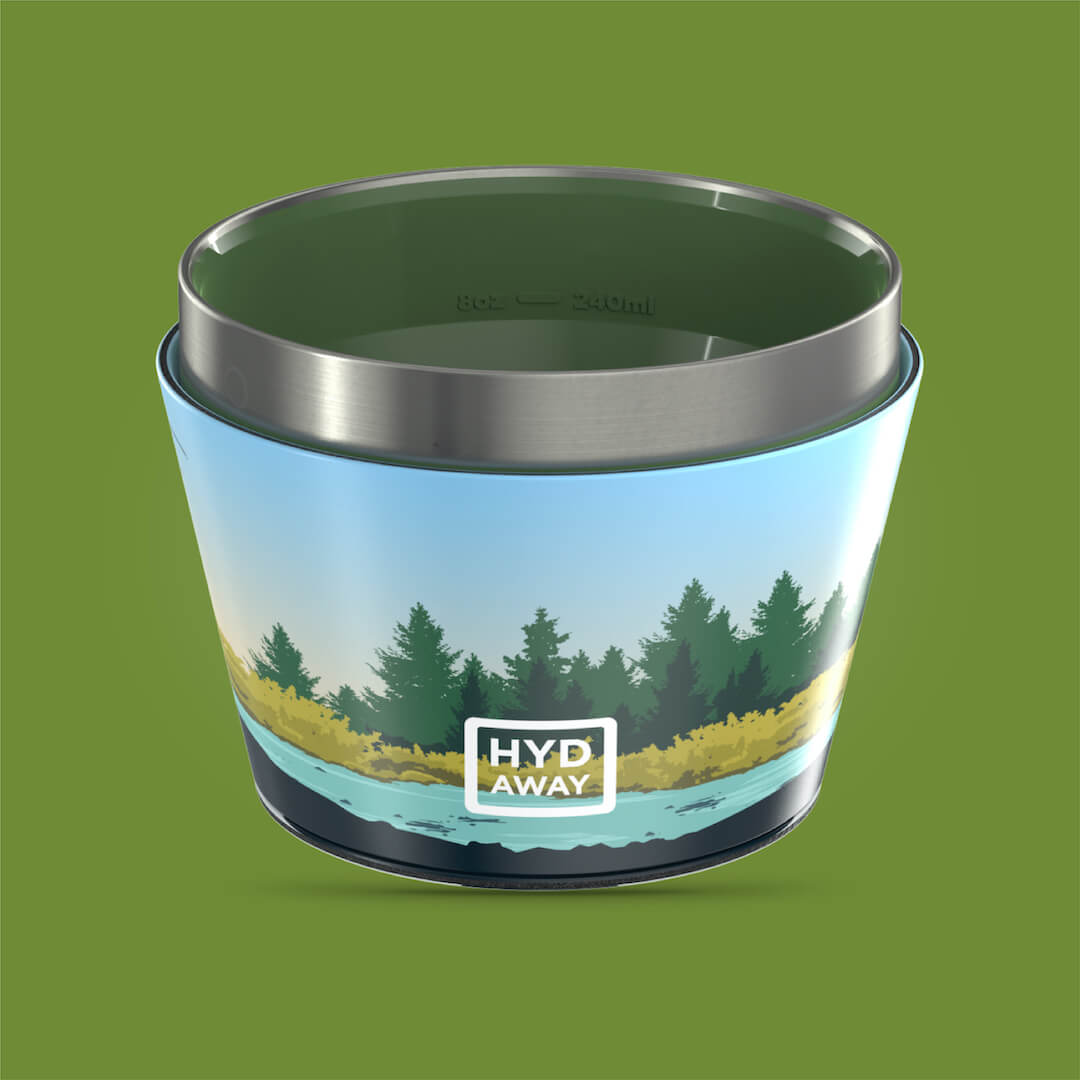
If you carry collapsible drinkware or bowls in the same system, clean and dry them before folding and stowing. Packed-away moisture is what causes most off-season surprises.
Store gear so it’s ready, not stale
Long-term storage should protect shape, seals, and cleanliness.
Use this checklist:
| Item | Storage habit |
|---|---|
| Reservoir | Dry completely, store open if possible |
| Tube | Hang or lay loose so moisture can escape |
| Pack | Cool, dry place out of direct sun |
| Accessories | Keep together in a clean pouch or bin |
That’s enough to keep most hydration kits trail-ready without turning care into a project.
A good hydration setup should make your day easier, not take over your packing list. If you want compact, travel-friendly gear that folds down when you’re done using it, take a look at HYDAWAY. Their collapsible bottles, packable accessories, and space-saving approach fit the way people move through trails, airports, campgrounds, and everyday life.