


How to Travel Lighter and Pack Smarter for Any Trip

Learning how to travel lighter is really about trading friction for freedom. The whole idea is simple: pack intentionally with versatile, multi-purpose items. This cuts down on weight and bulk, giving you way more mobility and a lot less stress on your trip.
Why Packing Light Is the Ultimate Travel Upgrade
Let’s be real—nobody enjoys dragging a monstrously heavy suitcase through a crowded airport or hoisting it up a narrow flight of Airbnb stairs. That's not a vacation; it's a workout. The modern way to travel is all about gaining freedom, not collecting baggage. The key is shifting your mindset from "what if I need this?" to "what can I genuinely do without?"
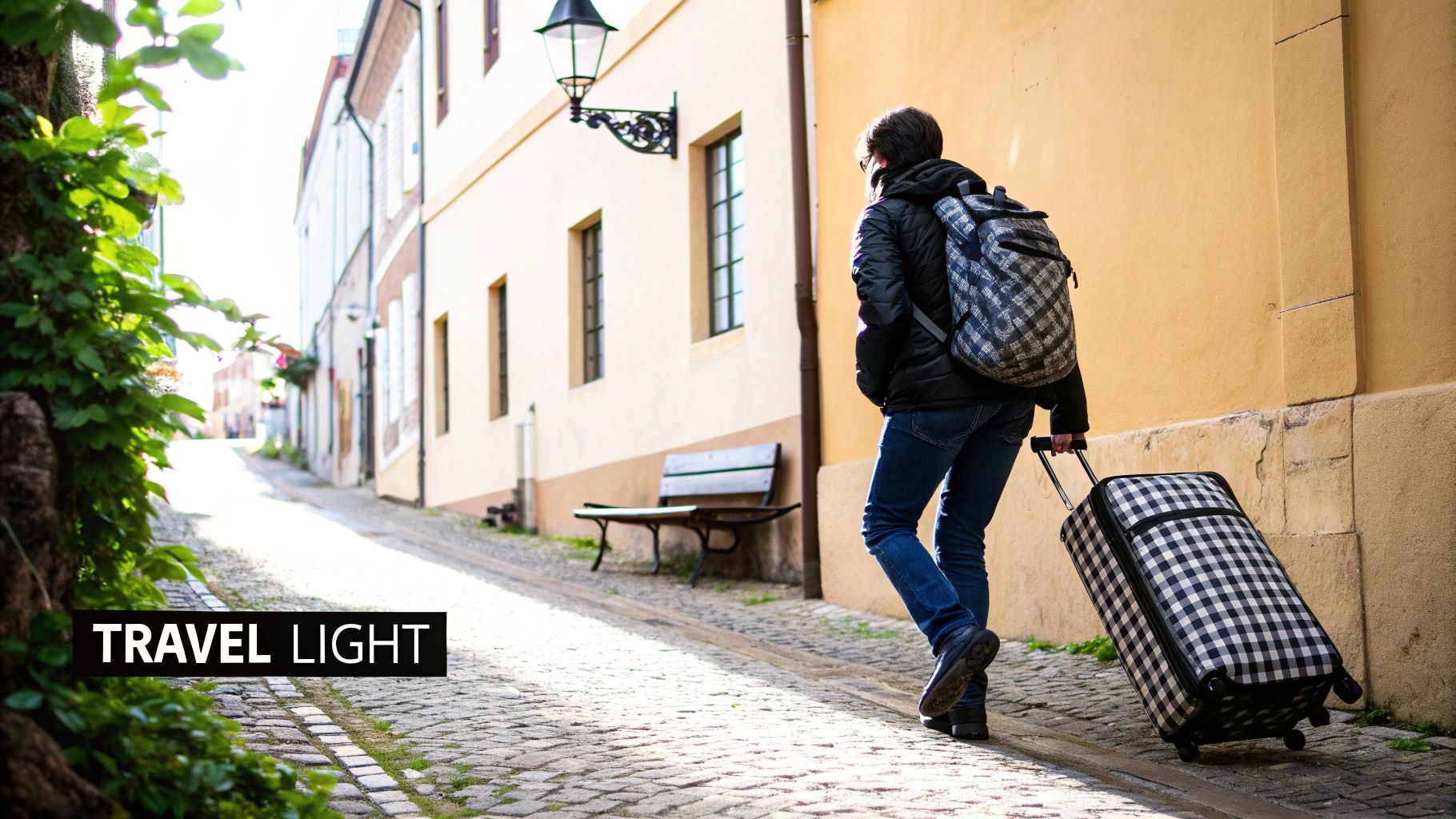
This isn't about becoming an extreme minimalist or giving up your comforts. It's about being smart. Just picture it: breezing right past the baggage carousel, easily navigating charming cobblestone streets with just a light backpack, and being able to say 'yes' to a spontaneous detour without a 23kg monster holding you back.
The Real-World Benefits of a Lighter Bag
The perks of a lighter bag go way beyond just convenience. There are real, tangible benefits that hit your wallet, your schedule, and your overall enjoyment of the trip.
One of the biggest wins is financial. Savvy travelers aren't just chasing comfort; they're saving serious cash. Airlines around the world rake in an estimated US$33–40 billion from baggage fees, mostly from checked and overweight bags. Getting your suitcase down from 23 kg to around 12–14 kg can often mean the difference between a paid checked bag and a free carry-on, saving you anywhere from US$30 to US$75 per flight. You can dig into the numbers yourself by checking out recent travel industry research on the topic.
Beyond the money, traveling lighter gives you:
- More Freedom and Flexibility: You can change your plans on a whim, hop on a local train, or explore a city on foot without being weighed down.
- Less Stress and Anxiety: Forget worrying about lost luggage or the long wait at the baggage claim. Your must-haves are always with you.
- Increased Security: Keeping your belongings close reduces the risk of theft or damage that can happen when you check a bag.
The goal is to pack for the trip you want to have, not for every single "what-if" scenario. A lighter bag empowers you to be more present and adaptable, turning travel from a logistical headache into a seamless adventure.
How Smart Gear Changes the Game
This is where thoughtfully designed gear becomes your secret weapon. The right products can slash bulk and weight without forcing you to leave essentials behind. Take a standard reusable water bottle—it hogs the same amount of precious bag space whether it’s full or empty.
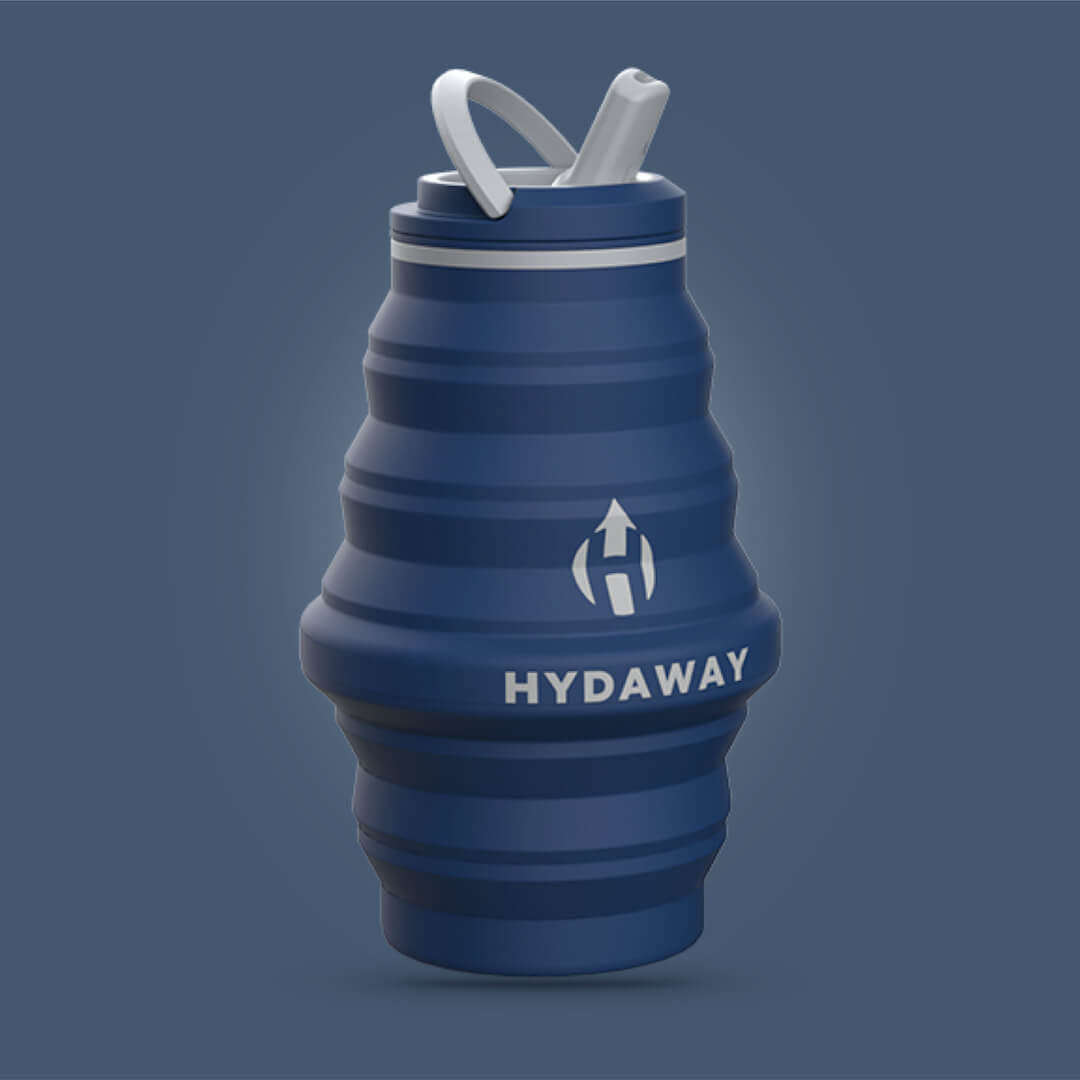
That's the exact problem innovative gear is designed to solve. A HYDAWAY collapsible water bottle, for instance, works perfectly when you need to stay hydrated during a hike through Zion or a walk around Rome, but then squishes down to a slim disc that fits in your pocket when it's empty. This one simple switch frees up a surprising amount of critical space, maybe making room for a cool souvenir on the way home. It’s a perfect example of how choosing packable gear fundamentally changes the packing game.
Building Your Versatile Travel Wardrobe
Let’s be honest, your wardrobe is almost always the single heaviest and bulkiest part of your luggage. Moving beyond generic advice like "just pack less" requires a smarter strategy—it’s all about building a powerful, versatile collection of clothes that works anywhere without weighing you down.
This is where the idea of a capsule wardrobe really shines. It’s a curated set of a few essential pieces that you can mix and match to create a surprising number of outfits. To really get a handle on this, learning how to build a capsule wardrobe is the first big step. This approach is the true foundation of traveling lighter.
The 5-4-3-2-1 Packing Framework
One of the most practical methods I've found for this is the 5-4-3-2-1 packing framework. It’s a simple rule of thumb that brings much-needed structure to your packing list, especially for a week-long trip. It’s your best defense against tossing in those "just in case" items that you never actually wear.
Here’s a practical example for a seven-day trip to Lisbon in the spring:
- 5 Tops: Choose five versatile shirts. For Lisbon, this might be two neutral t-shirts (one black, one white), one long-sleeve merino shirt for cooler evenings, one striped top for a classic look, and one nicer blouse for dinners.
- 4 Bottoms: Select four bottoms that can be dressed up or down. A good mix might be one pair of comfortable travel pants, one pair of dark wash jeans, a pair of linen shorts, and a midi skirt.
- 3 Layers & Shoes: Pack three layering pieces (like a lightweight cardigan, a denim jacket, or a light rain jacket) and just three pairs of shoes (think comfy walking sneakers for the hills, stylish flats, and a pair of versatile sandals).
- 2 Accessories & Bags: Include two key accessories like a colorful scarf and a belt, and two bags—your main travel bag and a small, packable daypack like the HYDAWAY Collapsible Backpack that you can pull out for daily explorations.
- 1 of Each Essential: One swimsuit, one set of pajamas, one hat, one pair of sunglasses—you get the idea. Just one of each of your absolute must-haves.
Of course, this is a starting point, not a rigid rule. Feel free to tweak it. The magic is in the intentionality it forces, making you choose pieces that can pull double or even triple duty.
Choosing Smart Fabrics
The what you pack is just as important as the how much. The right fabrics can drastically cut down on weight and bulk, improve your comfort on the road, and even mean less time spent doing laundry.
Merino wool is basically a miracle fabric for travelers. It’s incredibly lightweight, naturally resists odors (seriously, you can wear it multiple times without washing), regulates your body temperature in both hot and cold weather, and dries super fast. A single merino wool t-shirt can easily replace two or three of your old cotton ones.
Other fantastic choices are synthetics like nylon and polyester. They're durable, wrinkle-resistant, and also quick-drying, which makes them perfect for activewear or anything you might need to wash in a hotel sink.
Choosing the right material makes a huge difference in how much you can pack and how comfortable you'll be. Here's a quick guide to some of the best options out there.
Smart Fabric Choices for Lightweight Travel
| Fabric Type | Key Benefits | Best For | Potential Drawbacks |
|---|---|---|---|
| Merino Wool | Odor-resistant, temp-regulating, lightweight, quick-drying | Base layers, socks, t-shirts, sweaters | Higher initial cost, can be less durable than synthetics |
| Nylon | Very durable, water-resistant, wrinkle-resistant, packs small | Outerwear, pants, backpacks, activewear | Not very breathable, can retain odors if not treated |
| Polyester | Quick-drying, durable, wrinkle-resistant, affordable | Activewear, shirts, fleece jackets | Less breathable than natural fibers, can hold onto odors |
| Bamboo | Soft, breathable, naturally antibacterial, moisture-wicking | T-shirts, underwear, loungewear | Can be slow to dry, may stretch out over time |
| Tencel/Lyocell | Silky soft, eco-friendly, breathable, wrinkle-resistant | Blouses, dresses, casual tops, travel pants | Can be more expensive, may require delicate washing |
Ultimately, the goal is to create a small collection of high-performing pieces that you love to wear and that make your life on the road easier.
Your goal should be a wardrobe where almost every top can be paired with every bottom. This exponential outfit potential from a minimal number of items is the secret to a truly light and functional travel wardrobe.
Multi-Purpose Items Are Your Secret Weapon
The real core of a versatile travel wardrobe is picking items that can be dressed up or down without a second thought.
Picture a pair of sleek, dark-colored travel pants. They're comfortable enough for a 12-hour flight or a day of sightseeing, but pair them with a nice shirt and you’re ready for a dinner out. That's the kind of versatility you're aiming for.
A simple black dress is another classic example—wear it with sneakers for a casual city tour, then dress it up with a scarf and nicer shoes for an evening event. For long-term travelers or digital nomads, this level of flexibility is absolutely essential. If you’re planning an extended trip, checking out a well-structured digital nomad packing list can give you some great ideas for multi-use gear.
Every single item in your bag should be a hard worker. When you pack a shirt that only goes with one pair of pants, you’ve just sacrificed valuable space. Choose items that expand your options, not limit them. It's this shift in mindset that will help you finally master the art of traveling light.
Mastering Your Packing Strategy and Technique
So, you’ve picked out your perfect travel wardrobe. Now comes the real magic: getting it all into your bag. How you pack is just as important as what you pack. Getting this right can seriously boost your available space, keep you organized, and even make your bag feel lighter and more comfortable to carry.
Honestly, a well-packed bag just feels better. When you arrange everything strategically, you can often fit everything into a much smaller bag, maybe even ditching that checked suitcase for good. This is where you level up from just bringing less stuff to becoming a truly efficient traveler.
The Great Debate: Rolling Versus Folding
Ah, the age-old question for every traveler: should I roll or fold my clothes? While you'll find fierce defenders in both camps, most seasoned light packers lean heavily into rolling for the majority of their clothes.
- Rolling: This is your best bet for items like t-shirts, pants, and dresses. Rolling them up tightly compresses the fabric, saves a ton of space, and actually helps reduce wrinkles. Think of your rolled clothes like a puzzle—you can tuck them into every little nook and cranny of your bag, leaving no wasted space.
- Folding: Save the folding for more structured pieces. I'm talking about blazers, stiff collared shirts, or nice trousers that might get weird crease lines if you roll them too tight. A simple, flat fold works perfectly for these, and you can lay them right on top of your rolled items.
The best method? A mix of both. Roll everything you can to maximize space, and neatly fold the few items that need a little extra care.
Pro Tip: Always pack your heaviest items—like shoes or your toiletry bag—at the bottom of your backpack or near the wheels of your suitcase. This gives the bag a lower center of gravity, which makes it way more stable and easier to carry.
Why Packing Cubes Are a Game-Changer
If you buy just one thing to transform how you pack, make it a set of packing cubes. These zippered fabric containers are so much more than just little bags; they’re the key to compression and order. I group similar items together—all my tops in one cube, bottoms in another—which creates a neat, modular system.
This approach is a lifesaver. Your bag won't explode into a chaotic mess the first time you need to grab a clean shirt. Instead of digging around for a pair of socks, you just pull out the right cube. Better yet, compression packing cubes can squeeze all the air out of bulky things like sweaters, saving an incredible amount of room. For a deeper dive, check out our guide on how to save space when packing with some clever tricks.
Creative Hacks for Maximizing Every Inch
To really become a packing pro, you’ve got to get creative with every last bit of space. No corner should be left empty.
One of the oldest tricks in the book is to stuff smaller items inside your shoes. A pair of shoes is basically a free container. You can easily fit socks, underwear, or small chargers inside, which protects those items and uses up what would otherwise be dead space.
Another game-changer is picking gear that adapts to your needs. A regular water bottle, for example, takes up the same amount of space whether it's full or empty. This is where a HYDAWAY collapsible bottle makes a world of difference. You can stay hydrated all day, and when it’s empty, it squishes down to the size of a wallet. Boom—you’ve just freed up a bunch of room for a souvenir you picked up along the way.
This simple infographic breaks down the idea of a versatile, packable wardrobe.
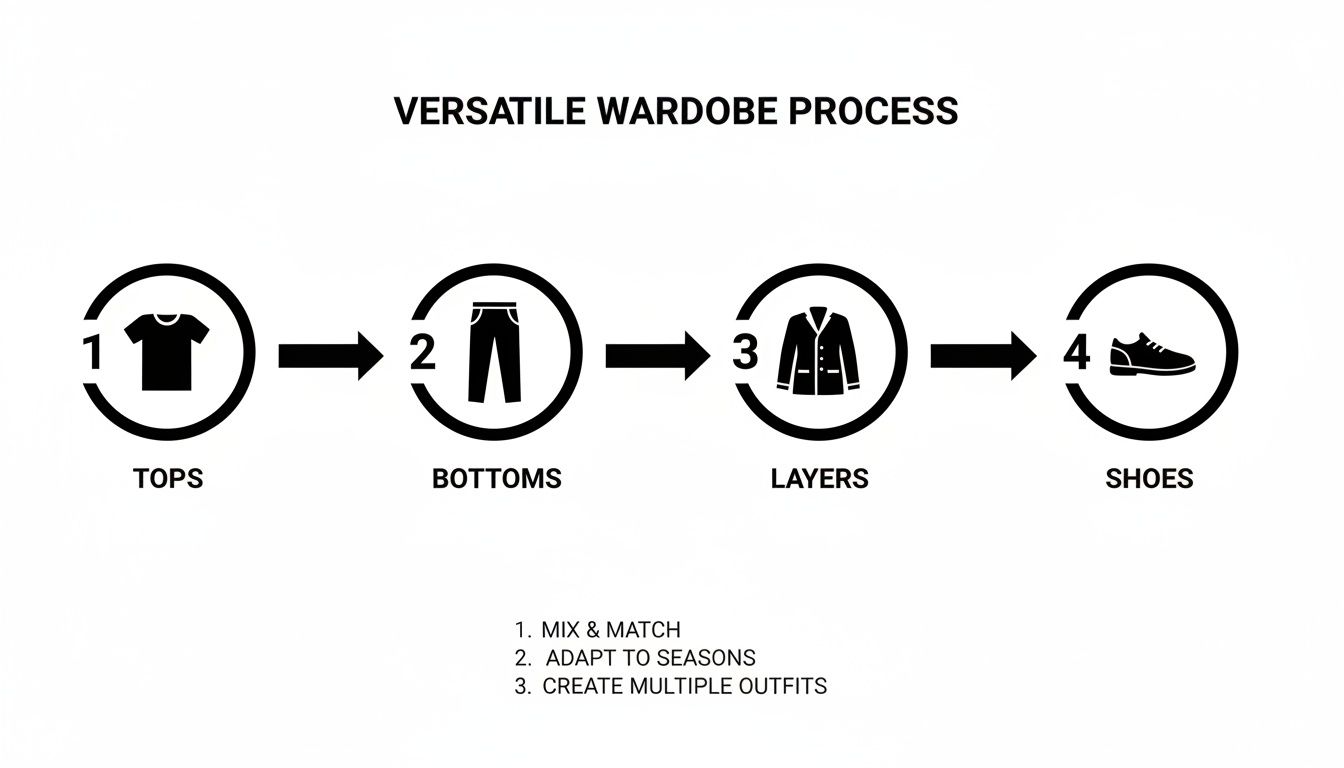
It shows how just a few core pieces for tops, bottoms, layers, and shoes can create a minimalist wardrobe that’s still incredibly functional for almost any trip.
To really nail your packing game, you need to look at the big picture. For a more comprehensive overview that includes practical packing lists for international travel, this guide is a fantastic resource. Combine these smart packing techniques with the right wardrobe choices, and you'll be well on your way to traveling lighter and freer than ever before.
Shrinking Your Toiletries and Tech Gear
Once you've nailed down your wardrobe, the next biggest offenders for adding unexpected weight are almost always toiletries and electronics. That messy tangle of charging cables, bulky power adapters, and half-full shampoo bottles can quickly turn a light bag into a real drag. The game plan here is ruthless consolidation and learning to love solid alternatives.
These two categories often become a black hole of clutter, making it impossible to find what you need when you need it. By shrinking them down, you not only learn how to travel lighter but also make your entire trip more organized and stress-free. It’s all about being prepared without being weighed down.
The Magic of Solid Toiletries
Let's be honest: liquid toiletries are a traveler's nightmare. They’re heavy, they have a nasty habit of spilling all over your clothes, and they’re subject to annoying airport security limits. The modern solution? Ditch the liquids wherever you can and switch to solid, water-free alternatives.
Shampoo bars, conditioner bars, solid perfume, and even toothpaste tablets have completely changed the packing game. A single shampoo bar can last for months, easily replacing multiple plastic bottles while weighing next to nothing. Best of all, you can just toss them in your bag—no spills, no plastic baggies, no security line headaches.
Switching to solid toiletries isn't just a space-saving hack; it's a mindset shift. It forces you to pack only what you need, eliminating the "just-in-case" half-liter bottle of conditioner and embracing efficient, multi-use products.
For the few liquids you absolutely can't live without, like a specific face cream or sunscreen, decanting is your best friend. Never, ever pack the full-sized retail container. Instead, transfer small amounts into travel-sized tubes or pots. For a deep dive into finding the perfect containers for this, check out these great options for reusable travel containers that are both durable and leak-proof.
Consolidating Your Tech Kit
In our always-on world, tech gear is a must for most travelers, especially digital nomads. But that doesn't mean you need to haul around a rat's nest of wires and heavy charging bricks. The goal is to build a powerful but streamlined kit where every single item serves a clear purpose.
The single most impactful upgrade you can make is switching to a multiport GaN (Gallium Nitride) charger. These modern marvels are way smaller and more efficient than old-school chargers. A single, palm-sized GaN charger can simultaneously power up your laptop, phone, and camera, replacing three separate, bulky adapters.
Pair that with a universal travel adapter and short, high-quality cables for each device. This entire setup can easily fit into a small pouch, keeping all your tech organized and ready to go.
Example One-Pouch Kits
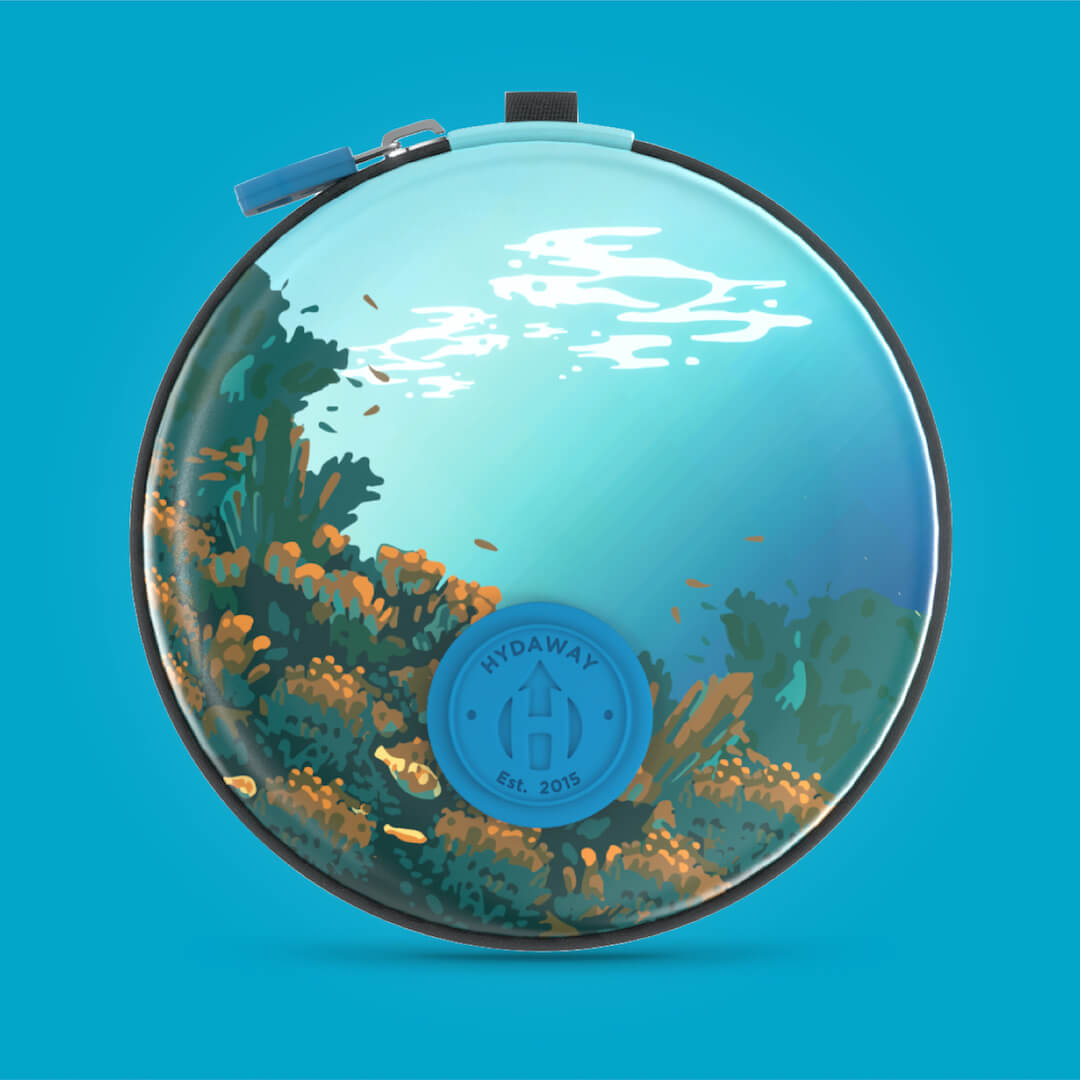
To see how this works in the real world, let's build out a couple of sample kits. The key is to organize everything so it's a breeze to find and pack. A HYDAWAY Travel Case is perfect for this—its structured-yet-flexible design can neatly hold all your miniaturized items, protecting them while keeping your main bag tidy.
Minimalist Toiletry Kit:
- Shampoo bar
- Conditioner bar in a tin
- Toothpaste tablets
- Bamboo toothbrush
- Solid deodorant stick
- A small, decanted tube of sunscreen
- Multi-purpose soap bar (for face, body, and even laundry)
Remote Worker's Tech Kit:
- One multiport GaN charger
- One universal travel adapter
- A 3-foot USB-C to USB-C cable (for laptop and phone)
- A 1-foot USB-C to Lightning cable (if you need it)
- One camera battery charger cable
- A pair of wireless earbuds in their case
- A portable SSD for backups
By applying these principles of consolidation and choosing solid or miniaturized alternatives, you can dramatically slash the weight and bulk from your two most troublesome packing categories. This leaves more room for what truly matters—the experiences and memories you'll gather on your journey.
Taking the Carry-On Only Challenge on Longer Trips
Packing for a month—or even three—with just a carry-on might feel like an impossible task. But for digital nomads, serious backpackers, and anyone embarking on a long-term adventure, it’s more than just possible. It’s the most freeing way to see the world.
The secret isn't some magic packing trick; it’s a total mindset shift. You have to stop "front-loading" every single thing you might need and start trusting that you can find essentials along the way. Your goal is to pack for a renewable seven-day cycle, not for 90 days straight. This one principle makes all the difference.
Master the Art of Laundry on the Road
Your new best friend on the road? The ability to do laundry. Once you realize you only need enough clean clothes to get you to your next wash day, the idea of ditching a giant suitcase becomes incredibly easy.
You've got a few solid options, and each one has its time and place:
- The Sink Wash: This is your go-to for daily upkeep. A multi-purpose soap bar or a few laundry detergent sheets are all you need to quickly wash socks, underwear, and a t-shirt in your hotel or hostel sink. Pro tip: after rinsing, roll the wet clothes tightly in a towel and wring it out to squeeze out most of the water. They’ll dry way faster.
- The Dry Bag Method: Think of a small, packable dry bag as your personal washing machine. Toss in your clothes, some water, and a bit of soap, then seal the bag and shake it around for a few minutes. It's surprisingly effective for a slightly bigger load.
- Local Laundromats: Don't underestimate the simple joy of hitting a local laundromat. It’s a fantastic way to reset your entire wardrobe once a week while you sit back, read a book, and soak in the local scene. It’s usually cheap and surprisingly relaxing.
A Real-World Scenario: Packing for Southeast Asia
Let’s get practical. Picture a three-month trip through Thailand, Vietnam, and Cambodia with nothing but a 40L backpack. Every single item has to earn its spot. It needs to be lightweight, serve multiple purposes, and be absolutely essential. Every square inch of that pack is prime real estate.
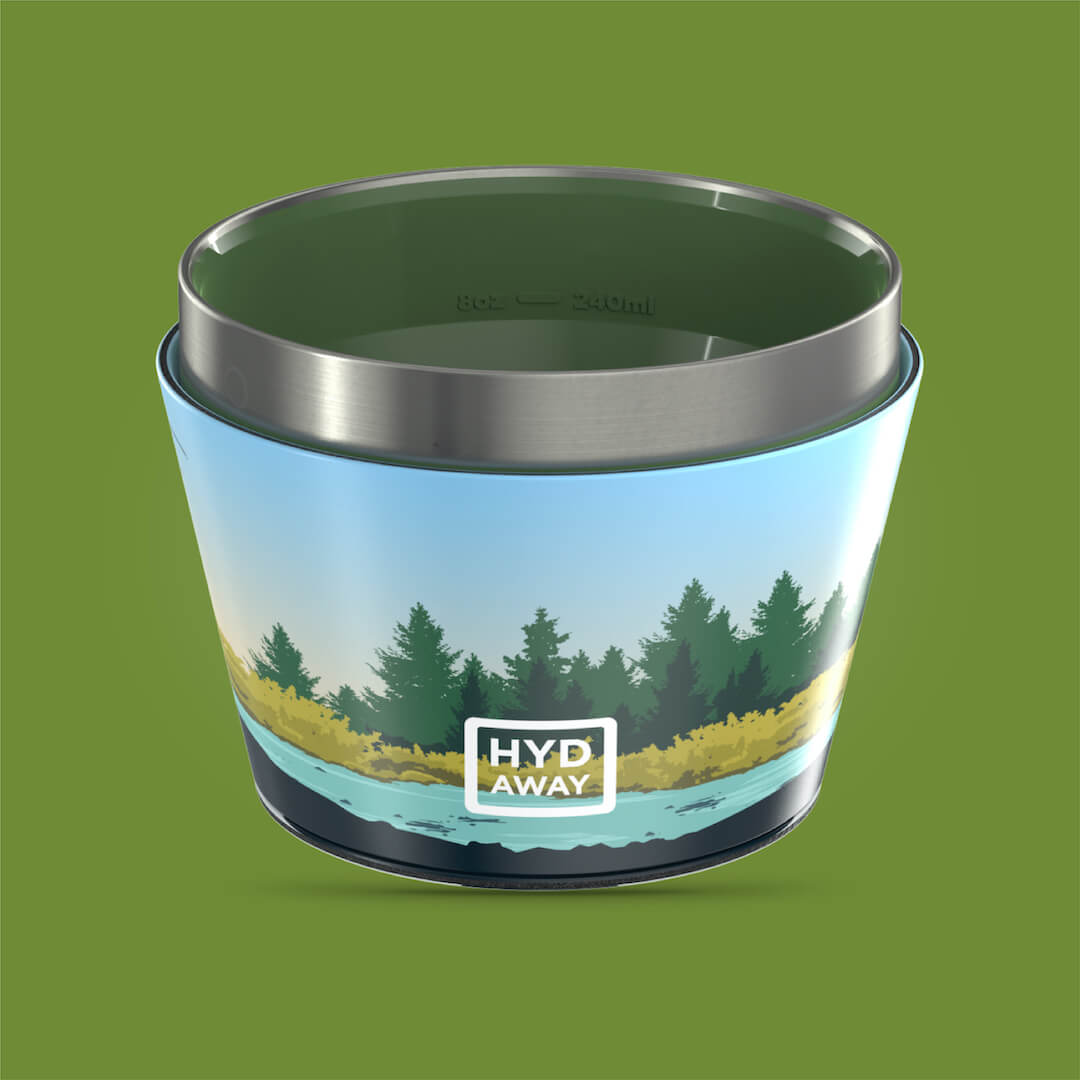
This is where smart, space-saving gear goes from a nice-to-have to a non-negotiable. A rigid water bottle is a liability—it takes up the same amount of space whether it's full or empty. That’s why a HYDAWAY collapsible water bottle that squishes down to a thin disc is a game-changer. In the same way, a HYDAWAY collapsible bowl lets you dig into amazing street food from a local market without lugging around a bulky container that you have to stash somewhere afterward.
When your entire life is in one bag for months at a time, you stop thinking about what’s convenient and start focusing on what’s efficient. Collapsible gear isn't a gimmick; it's a fundamental part of a successful long-term, light-packing strategy.
This style of travel is becoming more and more common. As global trips get longer, the benefits of packing light are magnified. UN Tourism data shows a huge rebound in international arrivals, and surveys of remote workers point to a big jump in trips lasting 30 days or more. For these travelers, every extra kilogram is a burden. Studies even suggest that carrying loads over 20% of your body weight can seriously increase fatigue. You can check out more on the rising trends in global travel that underscore why this all matters so much.
Your Questions on Traveling Lighter Answered
Even with the perfect strategy mapped out, it's totally normal to have a few last-minute doubts creep in. Shifting your packing habits is a process, and it’s smart to tackle those final hesitations before you zip up your bag with total confidence.
Let's dive into some of the most common worries we hear from travelers. These are the real-world scenarios that tempt even the most disciplined packer to toss in those extra "just in case" items.
Can I Really Pack for a 2-Week Winter Trip in Just a Carry-On?
Absolutely. A trip to a frigid destination feels like the final boss of light packing, but it’s totally doable. The secret isn’t to find one massive, bulky parka. It’s all about building a system of smart, high-performance layers.
Forget the single heavy coat and think in threes:
- A merino wool base layer: This is your foundation. It's incredibly thin, weighs almost nothing, and does an amazing job of trapping body heat without adding any bulk.
- A fleece mid-layer: This is your insulation powerhouse. A good fleece gives you incredible warmth for its weight and squishes down to almost nothing in your bag.
- A packable insulated jacket: Look for a down or synthetic-fill jacket that can stuff right into its own pocket. This becomes your protective outer shell against the elements.
This system is actually warmer than one giant coat and infinitely more versatile. You can add or shed layers as you go from a cold street into a warm cafe. The real trick? Wear your bulkiest items—your boots and your jacket—on the plane. This single move frees up an unbelievable amount of space in your bag. Combine that with compression sacks, stick to your capsule wardrobe, and you’ll be warm and cozy without ever waiting at the baggage carousel.
How Do I Pack for a Trip with Both Business Meetings and Hiking?
Ah, the "hybrid trip." This is becoming more and more common, especially for remote workers and anyone mixing a little business with pleasure. The goal here is to pack chameleon-like pieces that can cross over from a professional setting to a rugged trail without missing a beat.
Think multi-purpose. For example, a great pair of dark-colored technical travel pants from a brand like Outlier or prAna looks sharp enough for a client meeting but is also tough, stretchy, and quick-drying enough for a hike. The same goes for your shirts—a merino wool polo or a crisp, wrinkle-resistant button-down works just as well in an office as it does on a mountain.
Your gear needs to be just as adaptable. This is the perfect job for the HYDAWAY Collapsible Backpack. Keep it folded down to the size of your palm during your business meetings. When you’re ready to hit the trail, it expands into a full daypack, ready to hold your snacks and your HYDAWAY Collapsible Water Bottle. It's the ultimate two-for-one solution.
For hybrid trips, every item has to earn its spot by serving at least two different purposes. If something can only be worn in the boardroom or only on the trail, it’s probably getting left behind.
What HYDAWAY Products Are Best for a Beginner Packing Light?
If you're just starting your light-packing journey, the 25oz Collapsible Water Bottle is the perfect gateway. It’s a simple, high-impact piece of gear that immediately shows you the power of space-saving design. You get to stay hydrated and skip single-use plastics without sacrificing a huge chunk of your bag to a bulky, empty bottle.
Another fantastic move is to grab the Adventure Travel Kit, which bundles a collapsible bowl with the bottle. This instantly solves the problem of packing clunky food containers. You can have cereal in your Airbnb, pack leftovers from a restaurant, or enjoy takeout without dedicating half your luggage to dinnerware.
How Do I Stop Packing So Many 'Just in Case' Items?
This is the biggest mental hurdle for almost everyone. The fear of being unprepared is a powerful motivator, but it leads to packing for imaginary disasters instead of the trip you’re actually taking. The best way to break this habit is to embrace the "buy it there" mentality.
Before you toss in something you might need, ask yourself this simple question: "If I really end up needing this, can I buy it at my destination for under $20?"
You’ll find that things like an umbrella, extra sunscreen, a cheap sweater, or basic toiletries almost always fall into this category. Realizing you can solve small problems as they arise is incredibly liberating. It frees you from the stress of planning for every possible outcome and, in turn, frees up a ton of space in your bag. Trust yourself to be resourceful.
Ready to change the way you pack for good? Start with gear designed for the journey. HYDAWAY makes collapsible, space-saving essentials that help you carry less and do more on every adventure. Explore the full collection and find your perfect travel companion at https://myhydaway.com.