


How to Pack Light for International Travel Like a Pro

The secret to packing light for an international trip? It has nothing to do with fancy luggage or special gear. The real work begins in your head, long before you even think about laying out your clothes.
It’s all about a mental shift—trading that fear-based, “just in case” mentality for a smarter, more versatile approach. This is how you prioritize incredible experiences over lugging around excess baggage.
Adopt a Minimalist Mindset for Maximum Freedom

The journey to a lighter bag starts with a conscious decision: choosing mobility and freedom over an outfit for every possible scenario. This choice is the foundation for a trip with way less stress and way more flexibility.
Let’s be honest, overpacking is driven by “what-if” anxiety. We’re not alone in this—a whopping 71.7% of travelers admit to packing things they never even touched. It’s a habit with real costs, too; 19.3% of Americans have been hit with overweight baggage fees. You can dig into more of these travel packing statistics and their impact if you’re curious.
Ditching the 'Just in Case' Baggage
The biggest hurdle for almost every traveler is that little voice whispering, "But what if I need it?" We imagine ourselves needing a formal dress for a surprise Michelin-star dinner or five sweaters for a freak cold snap in the tropics.
In reality, these moments almost never happen. And if they do? Most things can be bought at your destination if you’re truly in a bind. For example, if you find yourself needing a warmer layer in Seoul, you can easily pop into a UNIQLO and grab a high-quality, packable down jacket that will likely become a new favorite.
To beat this, try reframing your whole approach. Stop packing for the duration and start packing for your activities. Instead of 14 outfits for a 14-day trip, think about what you’ll actually be doing. A versatile wardrobe for hiking in the Alps looks very different from one for exploring Parisian museums, and that’s where your focus should be.
The goal isn't just a lighter suitcase; it's a lighter mind. When you carry less, you worry less about lost luggage, navigating crowded train stations, or paying surprise fees, freeing up mental energy to focus on your adventure.
Building Your New Packing Philosophy
Switching to a minimalist travel mindset isn't about depriving yourself. It's about being strategic and intentional with every single item that earns a spot in your bag.
Here are a few core ideas to get you started:
- Prioritize Versatility: Every item should pull double (or triple!) duty. A simple scarf can be a fashion statement, a blanket on a chilly flight, or a head covering for a last-minute temple visit in Thailand.
- Embrace Laundry: This one is a game-changer. Planning to do laundry just once can literally cut your clothing list in half. Most Airbnbs have washers these days, and laundromats are easy to find all over the world.
- Focus on Experiences, Not Things: Remember why you’re traveling in the first place—to see, do, and experience new things. Your best memories won't be about the five jackets you brought; they’ll be about the incredible moments you had along the way.
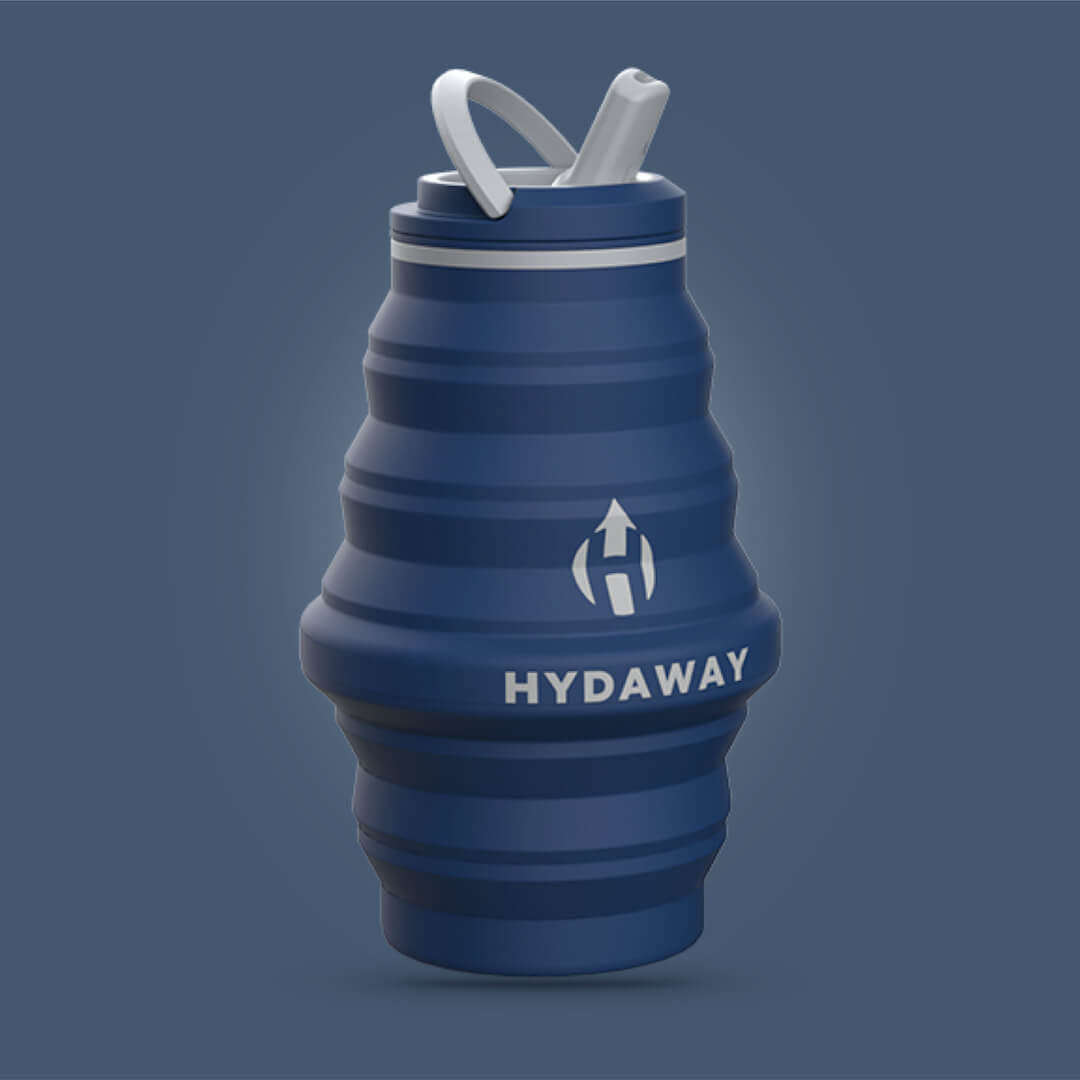
This philosophy should extend to your gear, too. A bulky, single-use water bottle takes up precious space when it's empty. A practical solution is a HYDAWAY collapsible bottle, which keeps you hydrated while exploring but flattens to fit in your pocket or daypack when empty. It's the perfect example of the "carry less, do more" ethos, freeing up space for souvenirs or just a lighter load.
If you're ready to start putting this into practice, we’ve got a guide on creating the perfect minimalist travel packing list to help you build your own.
Craft Your Perfect International Capsule Wardrobe
The secret to truly light travel isn't a magic suitcase—it’s a mindset. It starts in your closet, long before you even think about packing. The goal is to curate a small but mighty capsule wardrobe.
Forget laying out a different outfit for every single day. Instead, think about choosing 10 to 12 core pieces that mix, match, and multiply into dozens of unique looks. This isn’t about restriction; it’s about strategic freedom.
Imagine exploring Rome's ancient ruins by day, then slipping into a charming Trastevere restaurant for dinner without a full costume change. That’s the magic we’re aiming for. A simple swap of shoes or adding a scarf can completely transform your vibe.
Start with a Neutral Color Foundation
Every great capsule wardrobe is built on a smart color palette. By picking two or three coordinating neutral colors, you guarantee that almost every top you pack goes with every bottom. This one simple rule blows your outfit possibilities wide open.
And "neutral" doesn't have to mean boring black and white. Modern neutrals can show off your personality while still being incredibly versatile.
- Cool Tones: Try a palette of navy, charcoal grey, and soft blue. These colors feel timeless and sophisticated, perfect for city-hopping through Paris or Tokyo.
- Warm Tones: Build your wardrobe around olive green, khaki, and cream. This combo is fantastic for more rugged adventures, like a safari in Tanzania or navigating the markets of Marrakesh.
Once your neutral base is set, throw in one or two accent colors. A pop of terracotta, mustard yellow, or deep teal in a t-shirt, scarf, or piece of jewelry adds that personal flair without messing up the mix-and-match system.
Choose High-Performance, Wrinkle-Resistant Fabrics
The feel of your clothes is just as important as the color. When every item in your bag needs to pull its weight, picking the right fabric is a total game-changer for international travel. You want materials that are comfortable, light, and can be worn a few times without looking (or smelling) like it.
A single high-quality merino wool shirt can take you from a city walking tour to a mountain hike, and then out to dinner. It naturally resists odor, wicks away moisture, and regulates your temperature, making it pretty much the MVP of travel fabrics.
Here are a few top-performing fabrics to keep an eye out for:
- Merino Wool: The undisputed champion of travel fabrics. It’s soft, breathable, and warm without being bulky. Plus, its natural anti-microbial properties mean you can wear it for days before it needs a wash.
- TENCEL™ (Lyocell): A plant-derived fiber that feels silky-soft and drapes beautifully. It's also super wrinkle-resistant and breathable, making it perfect for blouses, dresses, and trousers.
- Technical Blends: Look for fabrics that mix polyester, nylon, and spandex. There's a reason they're used in activewear—they're quick-drying, durable, and have a comfortable stretch that’s ideal for long travel days.
Try to avoid things like 100% cotton, which feels like it takes forever to dry, and pure linen, which wrinkles if you just look at it wrong. A cotton-poly blend is a much smarter choice, giving you the best of both worlds. Speaking of smart choices, our guide on how to pack for a week in a carry-on has more tips that build on these wardrobe basics.
Building a capsule wardrobe is all about finding versatile pieces that work together. Here's a sample list for a 10-day European trip to get you started.
Sample 10-Day European Capsule Wardrobe
| Item Category | Specific Item Example | Key Features |
|---|---|---|
| Tops (4) | 2 neutral T-shirts, 1 long-sleeve, 1 nicer blouse | Merino wool or Tencel for versatility, mix of casual & dressy |
| Bottoms (2) | Dark wash travel jeans, black travel pants | Stretchy, comfortable, dark colors hide dirt |
| Outerwear (2) | Packable waterproof rain jacket, cardigan/fleece | Layering-friendly, covers rain and chill |
| Dress (1) | Simple black or navy dress | Can be dressed up or down with accessories |
| Shoes (2) | Comfortable walking sneakers, versatile flats/sandals | Must be broken-in, suitable for day and night |
This simple 10-piece collection, paired with the right accessories, can easily create 20+ different outfits, proving you don't need a huge suitcase to have endless style options.
The Power of Versatile Layers and Accessories
Layering is your best defense against unpredictable weather or trips that span multiple climates. Ditch the one bulky coat for a smarter system that lets you adapt on the fly.
A classic three-layer system looks something like this:
- Base Layer: Your simple t-shirt or long-sleeve, preferably in merino or a tech blend.
- Mid-Layer: This is for insulation. Think a lightweight fleece, a packable down vest, or a cozy cardigan.
- Outer Shell: Your shield against wind and rain. A quality, packable waterproof jacket is non-negotiable for most international trips.
Accessories, meanwhile, are your secret weapon for making a small wardrobe feel huge. A lightweight scarf can add a pop of color, cover your shoulders for visiting religious sites, or even act as a blanket on a chilly plane. A statement necklace or a cool pair of earrings can instantly elevate a simple t-shirt and pants for a night out. These tiny items make a massive impact without taking up any real space.
Pack Smarter, Not Harder, With a Few Pro Techniques
So you’ve planned the perfect capsule wardrobe—that’s a huge first step. But how you actually get those items into your suitcase makes all the difference in the world. Learning a few pro packing techniques will take your luggage from a chaotic mess to a thing of beauty, maximizing every last inch of space.
These are the methods that unlock the full potential of your carry-on. Seriously, you'll be shocked at how much a small bag can hold when you pack it right.

This little diagram breaks down the core strategy of building a solid travel wardrobe. You start with a foundation of base colors, which lets you bring in those versatile, mix-and-match pieces, and then you just sprinkle in a few small accents to show off your personality.
The Great Debate: Rolling vs. Folding
It’s the age-old question every traveler asks: should I roll or fold? Honestly, the best technique really depends on the fabric and the shape of your clothes. I’ve found that a hybrid approach almost always works best for a compact, wrinkle-free bag.
- Roll These: T-shirts, pants, casual dresses, and anything made from soft, flexible stuff like cotton blends or knits. Rolling compresses them down into tight little logs, squeezing out air and making them perfect for tucking into corners.
- Fold These: Stiffer, more structured clothes like blazers, collared shirts, and dress pants. Folding these along their natural seams helps keep them looking sharp and avoids those hard, awkward creases.
A popular hack right now is the "ranger roll," a military trick where you roll an item super tightly and then tuck one end into itself. It creates a secure little bundle that won't unravel, which is fantastic for things like t-shirts and underwear.
Use Packing Cubes for Serious Compression
Packing cubes aren't just for organizing—their real superpower is compression. When you roll your clothes neatly and pack them tightly into a cube, you can squeeze out a ton of air and shrink their volume significantly. This is exactly how seasoned travelers fit a week's worth of clothing into a small carry-on.
Don't just toss items into packing cubes—pack them with a plan. Group similar things together (all your tops in one, bottoms in another) and fill each cube until it's snug before zipping it. This creates dense, modular blocks you can arrange in your suitcase like a game of Tetris.
This strategy is a double win: it saves a ton of space and makes it incredibly easy to find what you need. No more digging through your whole bag for that one specific shirt. You can check out more ideas for organizing your bag in our guide on how to save space when packing.
Carry-On vs. Checked Luggage: Making the Call
The decision to go carry-on only or to check a bag is a big one, and there's no single right answer. It really comes down to the specifics of your trip. By thinking through your itinerary, you can make the smart choice.
Go With a Carry-On When...
- Your Trip Involves Multiple Stops: Bouncing between cities in Europe by train? A 40L backpack is your new best friend. Trust me, navigating cobblestone streets and crowded subways is a nightmare with a big roller bag.
- You Have Tight Connections: A carry-on completely eliminates the stress of your luggage not making it onto your connecting flight. That peace of mind is priceless.
- You Value Freedom: If you want to hit the ground running the second you leave the airport, a carry-on is the only way to go.
Think About a Checked Bag When...
- You're Traveling with Family: Trying to manage your kids and a bunch of carry-ons is just asking for trouble. Checking one large bag for the whole family can make the logistics so much simpler. Think of a family ski trip to Whistler—checking bulky gear is almost a given.
- You Need Specialized Equipment: If you're traveling for a hobby like scuba diving, skiing, or golf, you'll often have gear that simply won’t fit in the overhead bin.
- You Plan on Bringing Back Souvenirs: If you know you're going to be doing some serious shopping for things like Portuguese ceramics or Italian leather goods, checking a bag on the return flight can be a really smart move.
At the end of the day, picking the right luggage and packing it well are skills that make international travel smoother, lighter, and way more fun.
Trim Down Your Toiletries and Tech
You’ve nailed the perfect capsule wardrobe, but let's talk about the real culprits that weigh a bag down: toiletries and electronics. These two categories can stealthily turn a breezy carry-on into a back-breaking burden. The game plan here is simple: consolidate ruthlessly and go solid.
Take a look at your bathroom counter right now. Now, try to picture all of that fitting into one tiny pouch. It feels impossible, I know. But with a few smart swaps, you can pack everything you need without worrying about spills or space.
Join the Solid Toiletry Revolution
Honestly, the single best trick for packing light for an international trip is to ditch as many liquids as you can. Solid toiletries are a total game-changer. They aren't subject to the TSA’s 3-1-1 liquids rule, they seem to last forever, and best of all, they can’t leak all over your favorite shirt.
A few easy swaps can make a huge impact:
- Shampoo & Conditioner Bars: One little bar can easily replace a whole bottle of shampoo and will last you for weeks on the road. Brands like Lush or Ethique make fantastic options that tuck away neatly in a small tin.
- Solid Toothpaste Tabs: These are amazing. Chewable toothpaste tablets are feather-light and take up almost no space. Just pop one in, chew it up, and brush like normal with a wet toothbrush.
- Bar Soap: Sometimes the old-school classics are classics for a reason. Grab a good multi-purpose bar that works for your body, face, and can even be used for hand-washing a few items in a hotel sink.
By switching to solid versions of your core toiletries, you free up that precious liquid allowance for the things that have to be liquid, like sunscreen or your go-to face serum. It makes getting through airport security so much less stressful.
For any liquids you absolutely can't live without, decanting is the only way to go. Never, ever pack a full-sized bottle. Get yourself a set of high-quality, leak-proof travel containers (make sure they are under 100ml / 3.4oz) and fill them with just enough product to get you through your trip.
Untangle Your Cords and Chargers
In this day and age, our tech gear can easily take up as much space and weight as our toiletries. The secret isn't to bring less tech, but to bring smarter tech. Your mission is to have one of everything, not a tangled web of duplicate chargers and cables.
For instance, instead of packing three different wall plugs for your phone, watch, and headphones, invest in a single, powerful international power adapter. Find a modern one with at least two USB-C ports and a USB-A port. This one gadget can charge everything at once from a single outlet, whether you're in London, Bangkok, or Buenos Aires.
This 'one of everything' philosophy should extend to all your electronics.
- One Power Bank: A single, high-capacity power bank (around 10,000-20,000mAh) is all you need. It should be able to recharge your phone several times over.
- One Device Rule: Ask yourself: can your tablet do everything your bulky laptop can? If you’re just firing off emails and streaming a movie, leaving the heavier device at home can literally save you pounds of weight.
- One Set of Cables: Try to standardize your devices. If your phone, headphones, and e-reader all use USB-C, you only need to pack a single cable to charge them all.
This approach doesn't just save a ton of space and weight; it simplifies your life on the road. No more frantic digging through your bag for the right charger or spending ten minutes untangling a rat's nest of cords before you can go to sleep.
Select Smart Gear That Saves Valuable Space

Beyond just your clothes, the gear you bring can either sabotage your packing goals or become your secret weapon. By investing in just a few key pieces designed for portability, you can slash your bag's volume and weight. This is where you move past just packing items and start building a smart travel system.
Think about it: a rigid, single-use water bottle is a classic packing mistake. It's a huge space-hog, especially when it's empty, which is pretty much any time you're on a plane, train, or bus. It's the perfect example of a single-purpose item that becomes dead weight.
Embrace Collapsible Convenience
The real game-changer is choosing gear that literally gets out of its own way. A HYDAWAY collapsible water bottle, for instance, is brilliant for international travel. It’s a full-size bottle when you need to hydrate, but once it’s empty, it squishes down to the size of a cookie. You can toss it in a tiny purse or even a back pocket, instantly reclaiming all that space.
That simple swap is what smart packing is all about. Picture landing at Heathrow, filling up your bottle after security, and then collapsing it before you even hop on the Tube into the city. It's pure convenience.
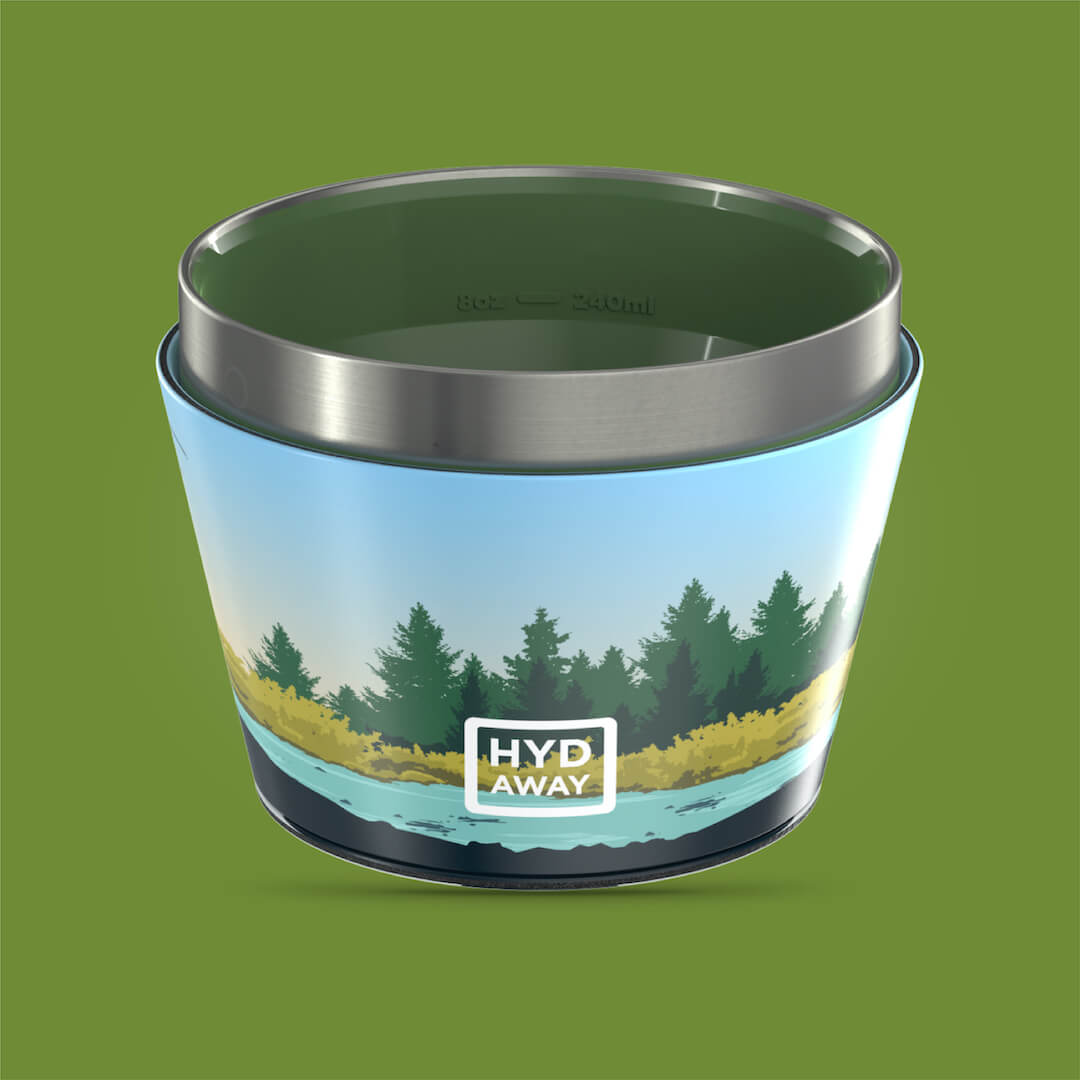
The same logic works for food. Instead of buying clunky takeaway containers or having no way to save amazing leftovers, a HYDAWAY collapsible bowl is unbelievably useful.
- Real-world win: You're at a tiny restaurant in Lisbon and can't finish your incredible meal. Instead of wasting it, you just pop the rest into your spill-proof HYDAWAY bowl and have a fantastic lunch waiting for you at your Airbnb the next day.
- Another scenario: You're wandering through a food market in Bangkok and want to try a bit of everything. Your bowl becomes a personal, reusable plate, saving you from juggling a half-dozen flimsy plastic containers.
Choosing gear that physically shrinks when not in use is one of the most effective ways to pack light. You're directly clawing back volume in your bag, which is often a tighter constraint than weight.
Find Your 'Do-It-All' Essentials
Beyond things that collapse, look for gear that pulls double or triple duty. Before you pack anything, ask yourself: can one item do the job of two or three others?
A packable daypack is non-negotiable for me. These things are magic—they fold down into a tiny pouch but open up into a proper backpack for a day of exploring. This means you can leave your main luggage at the hotel and just carry essentials like a jacket, water, and snacks. Brands like Matador and Osprey make some fantastic, feather-light options.
A quick-dry microfiber towel is another travel staple. It packs down to the size of a paperback, absorbs way more water than a bulky cotton towel, and dries in a fraction of the time. It's a lifesaver for that spontaneous swim at a Greek beach or for hostels that charge extra for linens.
The Quest for the 'One Shoe'
Let's be honest, shoes are the enemy of light packing. They're heavy, they're awkward, and they take up a ridiculous amount of space. While you'll probably still need two or three pairs, finding one pair that can handle almost anything is a massive victory.
The holy grail is a comfortable, supportive shoe that doesn't scream "I'm a tourist!"
Think about a sleek, all-black sneaker from a brand like Allbirds or Vessi. They give you the athletic comfort you need to walk 15,000+ steps a day on cobblestones but look stylish enough to wear with nice trousers or a casual dress for dinner.
When you're hunting for that perfect shoe, look for this trifecta:
- Comfort: All-day support is a must. No exceptions.
- Versatility: A neutral color and clean design that can be dressed up or down.
- Durability: It has to stand up to city streets, dirt paths, and everything in between.
By being picky about your gear—choosing smart, multi-functional, and collapsible items—you completely change the packing game. Every single thing in your bag works harder, so you can carry less and do more.
Common Questions About Packing Light
Even the most seasoned light packers run into tricky situations. You've got the theory down, but what about those specific scenarios that leave you staring at an empty suitcase, completely stumped?
Let's break down some of the most common questions I hear from travelers. These are the real-world hurdles, and the answers will give you the confidence to tackle any packing challenge.
Packing for Multiple Climates
This is the big one. How do you pack for a trip that starts in the chilly mountains of Peru and ends on a sun-drenched Colombian beach? The secret isn't packing two separate wardrobes; it's all about mastering the art of layering.
Forget bulky, single-purpose items. Your entire strategy should revolve around a simple three-part system:
- A moisture-wicking base layer: Merino wool t-shirts are my go-to. They keep you cool in the heat and warm when it's cold, and they resist odor like a champ.
- A versatile mid-layer: A packable fleece or a lightweight down vest is perfect. It provides a surprising amount of warmth without eating up precious luggage space.
- A protective outer shell: This is non-negotiable. A quality waterproof and windproof jacket that packs down small will be your best friend in unpredictable weather.
With these three pieces, you can adapt to anything. Wear just the base layer on a hot day, add the fleece for a cool evening, and then throw on the shell when the wind picks up or the rain starts. It's that simple.
The biggest mistake you can make is packing a heavy winter coat for a "just in case" cold snap. A smart layering system is infinitely more versatile and takes up a fraction of the space.
Choosing Between a Backpack and a Suitcase
There’s no single right answer here—it’s all about your travel style and where you're headed. A roller suitcase is fantastic if your trip involves smooth airport floors, paved city streets, and plenty of taxis, like a work trip to Singapore.
But for more adventurous or varied itineraries? A backpack is king. Just picture yourself dragging a suitcase over the cobblestones in Prague, hauling it up five flights of stairs to an old-world European apartment, or navigating a crowded train station in Tokyo. In those moments, a 40-liter travel backpack feels like a superpower. It keeps your hands free and lets you move like a local, not a tourist struggling with their luggage.
And while we're on the topic of navigating airports, don't forget about your digital safety. Being mindful of things like the TSA public WiFi warning is just as important as keeping your physical belongings secure.
Avoiding Common Packing Mistakes
Beyond picking the right clothes or bag, a few classic blunders can sabotage even the best packing intentions.
The absolute number one error is giving in to the "just in case" mindset. If you can't picture a specific, planned moment when you'll use an item, it doesn't belong in your bag. It's always easier (and often cheaper) to buy something you unexpectedly need at your destination than to haul a useless item across continents.
Another classic mistake is overpacking shoes. They are, without a doubt, the heaviest and most awkward things to pack. For most trips, you can get by with just three versatile pairs: a comfortable pair of walking shoes, a slightly nicer pair for evenings out, and a pair of sandals or flats.
Finally, always leave 10-15% of your bag completely empty. This isn't wasted space; it's your sanity buffer. It's room for that perfect souvenir you find, and it prevents the dreaded "I can't get my suitcase to close" struggle on your last day. It just makes the whole process of repacking so much less stressful.
At HYDAWAY, we believe smart gear is the key to unlocking true travel freedom. Our collapsible, space-saving water bottles and dinnerware are designed to help you carry less and experience more.
Explore the full collection of HYDAWAY collapsible gear and start your next adventure lighter.