

Employee Wellness Program Ideas: 12 Fresh Ways to Boost Morale

In 2025, an effective employee wellness program must do more than just check a box. It's about building a holistic ecosystem that supports physical vitality, mental resilience, financial stability, and genuine social connection. Companies now recognize that investing in their people's well-being is not a fringe benefit but a core business strategy that directly fuels productivity, boosts retention, and sparks innovation. However, many HR leaders and managers struggle to find fresh, impactful employee wellness program ideas that resonate with a diverse, modern workforce and deliver measurable results.
Generic advice and one-size-fits-all solutions often fail to inspire lasting change. This comprehensive guide cuts through the noise, providing a blueprint for a program that truly matters. We've compiled 10 practical and actionable ideas, each packed with real-world examples and step-by-step implementation tips. We will cover everything from launching hydration challenges with sustainable, packable gear from HYDAWAY to creating active commuting incentives and supporting mental health.
We’ll explore how to build a program that meets the needs of your entire team, from avid hikers to remote digital nomads, fostering a culture of health that permeates every corner of your organization. While unique initiatives are key, it's also important to remember the fundamentals; for example, investing in quality office coffee solutions for boosting workplace morale can be a simple yet powerful daily perk. From embracing the outdoors to championing workplace sustainability, these concepts are designed to be both inspiring and achievable, helping you create a workplace where employees don't just work, they thrive.
1. Hydration-Focused Wellness Programs
A foundational, yet often overlooked, component of any successful employee wellness program is a focus on proper hydration. With studies indicating that up to 75% of Americans are chronically dehydrated, addressing this issue can yield significant gains in employee energy, focus, and overall health. Hydration-focused initiatives go beyond simply providing a water cooler; they involve education, access, and encouragement to build lasting habits.
These programs work by systematically removing barriers to adequate water consumption. Companies educate teams on the benefits of hydration, from improved cognitive function to reduced fatigue. This is often paired with tangible tools and environmental cues, like strategically placed filtered water stations and high-quality, reusable water bottles that employees are excited to use.
How to Implement a Hydration Program
-
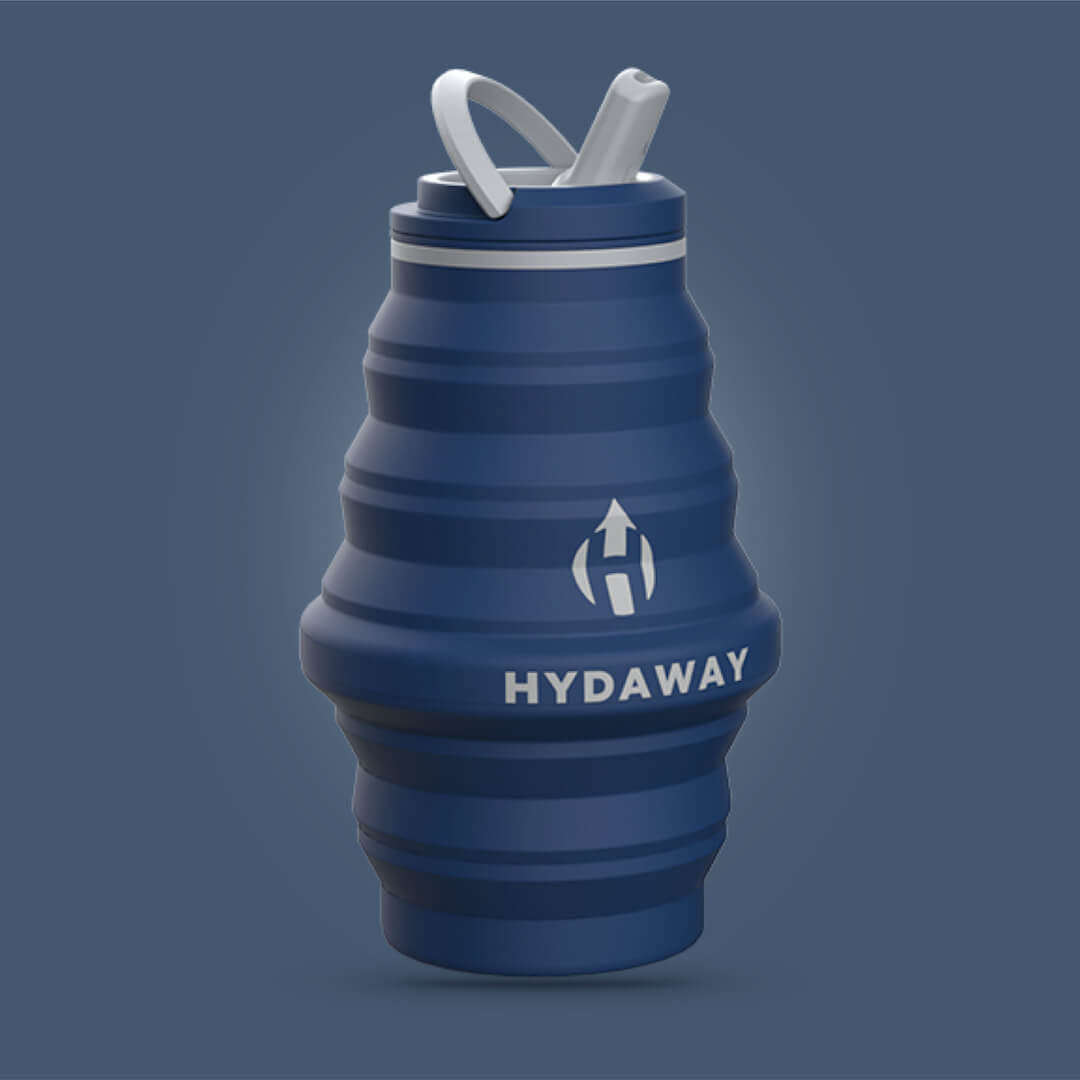
Provide Premium Drinkware: Equip every employee with a high-quality, reusable water bottle. For modern, hybrid workforces, a collapsible bottle like those from HYDAWAY is ideal. It’s perfect for commuting, easily fits in a bag without bulk, and serves as a constant reminder to drink water whether at a desk, at home, or traveling for business.
-
Launch Hydration Challenges: Gamify the experience with a monthly challenge. Use a wellness app or a simple shared spreadsheet to track daily water intake. Offer small incentives like a coffee shop gift card or an extra half-hour of lunch for those who consistently meet their goals. Microsoft, for instance, has successfully used leaderboards in their wellness app to boost engagement.
-
Integrate Educational Nudges: Weave hydration tips into existing communication channels. Share fun facts in Slack, include reminders in weekly newsletters, and place posters near water stations. Keep the information fresh and engaging to maintain momentum.
-
Enhance Accessibility: Ensure clean, filtered water is readily available in high-traffic areas, including near meeting rooms, in break areas, and at the office entrance. The easier it is to refill, the more likely employees are to stay hydrated.
Key Insight: A successful hydration program is not about surveillance; it's about empowerment. The goal is to create a culture where drinking water is an easy, natural part of the workday, directly contributing to a sharper, more energetic, and healthier team. Discover more about the benefits of reusable water bottles and how they support these initiatives.
2. Outdoor Adventure and Nature Immersion Programs
Connecting employees with nature is a powerful strategy for enhancing well-being. Outdoor adventure and nature immersion programs move wellness beyond office walls, leveraging the proven benefits of the natural world to reduce stress, boost mental clarity, and improve physical health. These initiatives tap into the restorative effects of nature documented by the American Psychological Association, combating burnout and fostering stronger team bonds through shared experiences.
These programs work by organizing accessible outdoor activities that encourage employees to disconnect from screens and engage with their environment. Companies like REI and Patagonia have long championed this approach, sponsoring everything from local hiking groups to multi-day camping retreats. The goal is to create a culture that values and facilitates time spent outdoors, recognizing its direct impact on employee happiness and productivity.

How to Implement an Outdoor Adventure Program
-
Start with Accessible Outings: Launch the program with monthly local hikes or park clean-up days that cater to various fitness levels. This builds momentum and inclusivity, ensuring everyone feels welcome to participate without needing specialized skills or gear.
-
Equip Teams for Adventure: Provide essential gear recommendations and consider offering subsidies. A lightweight, packable water bottle from HYDAWAY is a perfect corporate gift for these initiatives. It saves critical space in a daypack, is easy to carry, and encourages proper hydration on the trail, making it a practical tool for any outdoor enthusiast.
-
Diversify the Activity Calendar: Appeal to a wide range of interests by offering different types of adventures. Create a schedule that includes hiking, kayaking, group camping trips, or even guided rock climbing. Partnering with local outdoor outfitters can provide expert guidance and group discounts.
-
Remove Participation Barriers: Arrange carpools or transportation to trailheads to make it easier for employees to join. Clearly communicate safety guidelines, provide first-aid training, and share detailed checklists of what to bring for each specific outing.
Key Insight: The success of an outdoor program lies in making nature accessible and enjoyable for everyone. It’s not about extreme challenges; it's about creating consistent opportunities for employees to recharge, connect with colleagues, and experience the profound mental and physical benefits of the great outdoors. See how the right equipment, like collapsible water containers for camping, can enhance these adventures.
3. Desk-to-Movement Transition Programs
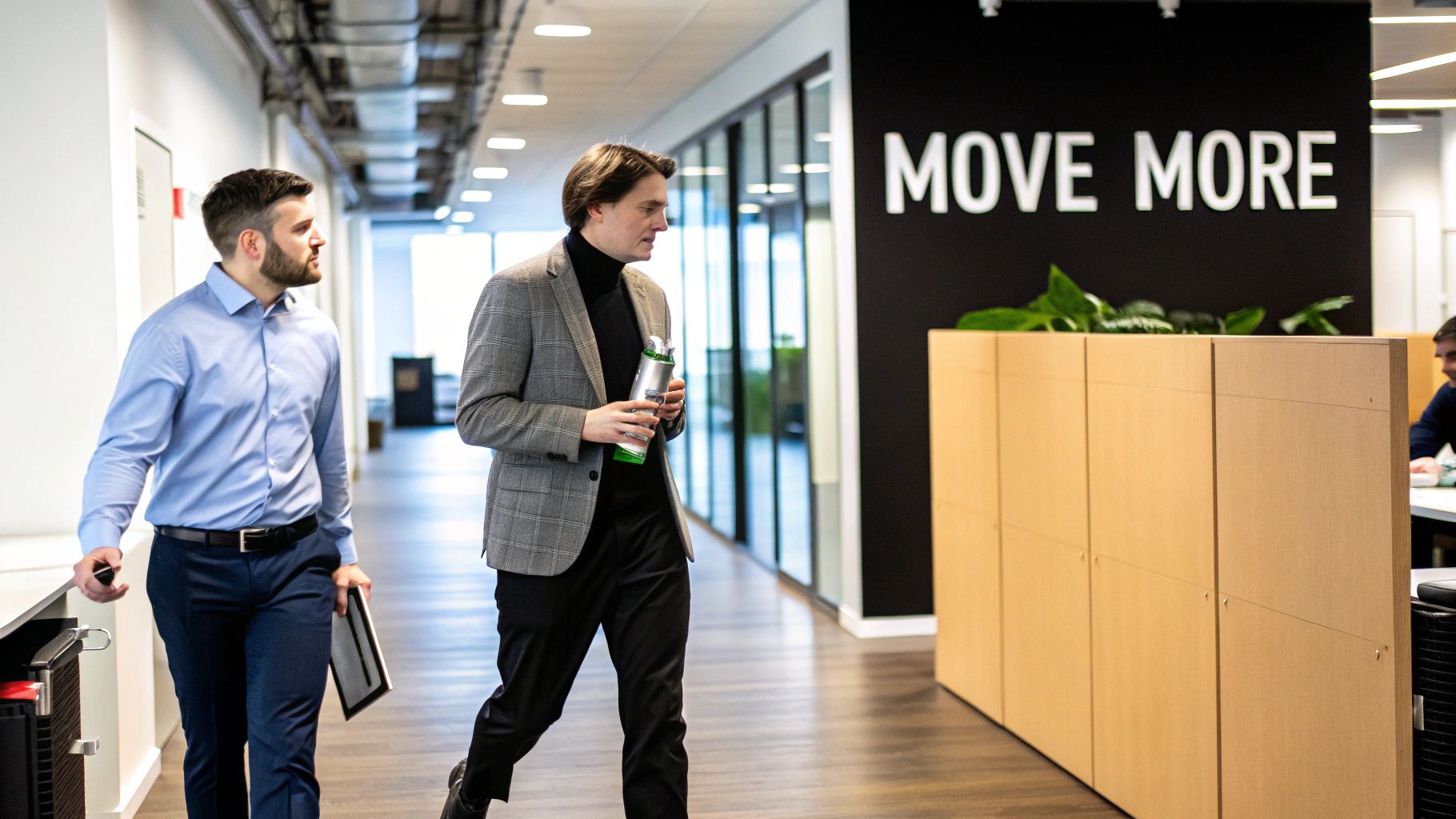
The modern workplace is often synonymous with prolonged sitting, a habit linked to numerous health risks, including back pain, weight gain, and cardiovascular issues. Desk-to-movement transition programs are a proactive employee wellness program idea designed to break this cycle by integrating physical activity directly into the workday. These initiatives combat sedentary behavior by making movement an easy, encouraged, and natural part of the office culture.
These programs function by redesigning both the physical environment and daily routines to prompt regular motion. This involves more than just a poster about taking the stairs; it's a systematic approach that includes ergonomic furniture, behavioral nudges, and leadership-driven cultural shifts. Companies like Google and Salesforce have pioneered this by providing standing desks and creating active office layouts that normalize movement.
How to Implement a Desk-to-Movement Program
-
Normalize Walking Meetings: Encourage teams, especially management, to conduct one-on-one or small group meetings while walking. This simple change breaks up sitting time, boosts creativity, and fosters more dynamic conversations.
-
Provide Ergonomic Flexibility: Offer standing desk converters or fully adjustable desks to all employees. Introduce them gradually to allow for a comfortable adjustment period, and provide guidance on proper ergonomic use to prevent strain.
-
Gamify Daily Activity: Launch step challenges using wearable tech or wellness apps. Create team-based competitions with leaderboards to foster friendly rivalry. Johnson & Johnson famously rewards employees financially for meeting daily activity goals, demonstrating a strong corporate commitment.
-
Equip for Movement: Support on-the-go activity by providing practical tools. For walking meetings or trips between buildings, a lightweight, collapsible water bottle from HYDAWAY is perfect. It easily fits into a pocket or bag, ensuring employees stay hydrated without being weighed down.
-
Integrate Movement Prompts: Use digital tools or simple timers to remind employees to stand, stretch, or take a short walk every hour. Even two-minute breaks can significantly improve circulation and energy levels.
Key Insight: The most effective desk-to-movement programs shift the company culture to one where activity is the default. The goal isn't to force exercise but to make movement an effortless and integrated part of the professional day, leading to a healthier, more engaged, and more productive workforce.
4. Nutrition and Mindful Eating Programs
Beyond simple vending machine swaps, effective employee wellness program ideas include comprehensive nutrition and mindful eating initiatives. These programs focus on educating employees about the powerful link between food, energy, mood, and long-term health. By addressing dietary habits, companies can help reduce risks of chronic disease, boost daily productivity, and improve overall well-being.
These initiatives work by providing both knowledge and access. They educate teams on making smarter food choices and foster mindful eating practices, which involve paying full attention to the experience of eating and drinking. This is supported by creating a food environment where healthy, nutritious options are the easy and appealing choice, shifting the company culture toward conscious consumption.
How to Implement a Nutrition Program
-
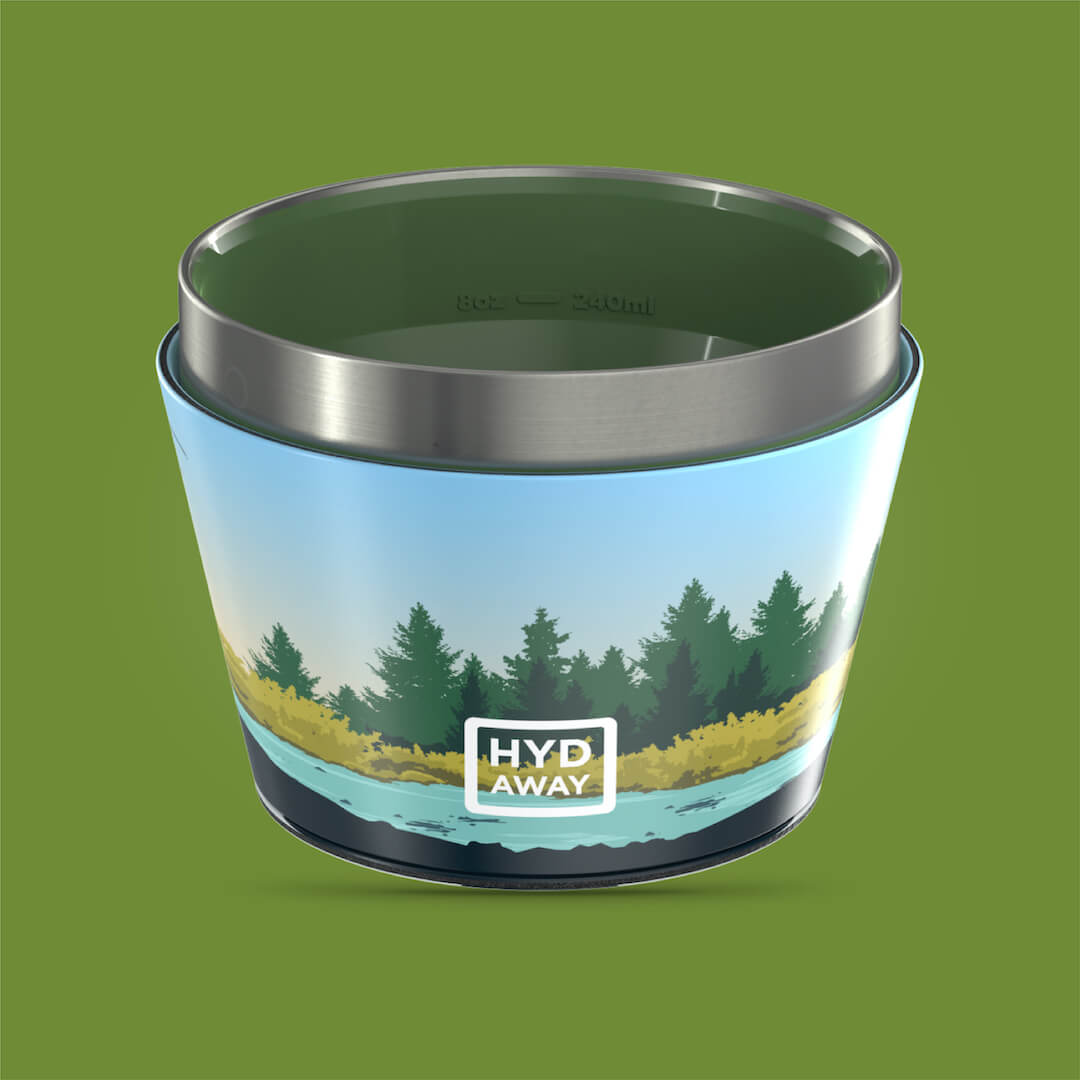
Provide High-Quality Meal Solutions: Equip employees with tools that encourage healthy meal prep and mindful eating. A high-quality, insulated bowl like the HYDAWAY Collapsible Bowl is perfect for packed lunches. Its spill-proof lid makes it ideal for commuters, while its packable design supports employees working from home, in the office, or on the go, encouraging portion control and reducing reliance on less healthy takeout.
-
Offer Professional Guidance: Partner with registered dietitians or nutritionists to host workshops, cooking classes, or one-on-one counseling sessions. Companies like Google and Apple provide access to on-site nutritionists who help employees create personalized meal plans and understand their unique dietary needs.
-
Redesign the Food Environment: Make healthy choices the default. Stock breakrooms with whole foods like fruits, nuts, and yogurt instead of processed snacks. Clearly label nutritional information on all food options available on-site. The simple act of making nutritious food more visible and accessible can significantly influence employee choices.
-
Launch a "Healthy Plate" Challenge: Gamify nutrition with a team-based challenge focused on balanced meals. Encourage employees to share photos of their healthy lunches or dinners in a dedicated Slack channel. Offer rewards like a subscription to a healthy meal kit service for the winning team.
Key Insight: A successful nutrition program is about education and empowerment, not restriction. The objective is to build a supportive environment where employees feel equipped and encouraged to make nourishing food choices that fuel their bodies and minds for peak performance.
5. Mental Health and Stress Management Initiatives
Prioritizing psychological well-being is a critical pillar of modern employee wellness program ideas. Mental health and stress management initiatives acknowledge that an employee's state of mind directly impacts their engagement, productivity, and overall health. These programs move beyond surface-level perks to provide tangible support through therapy access, mindfulness training, and resources that destigmatize mental health challenges.
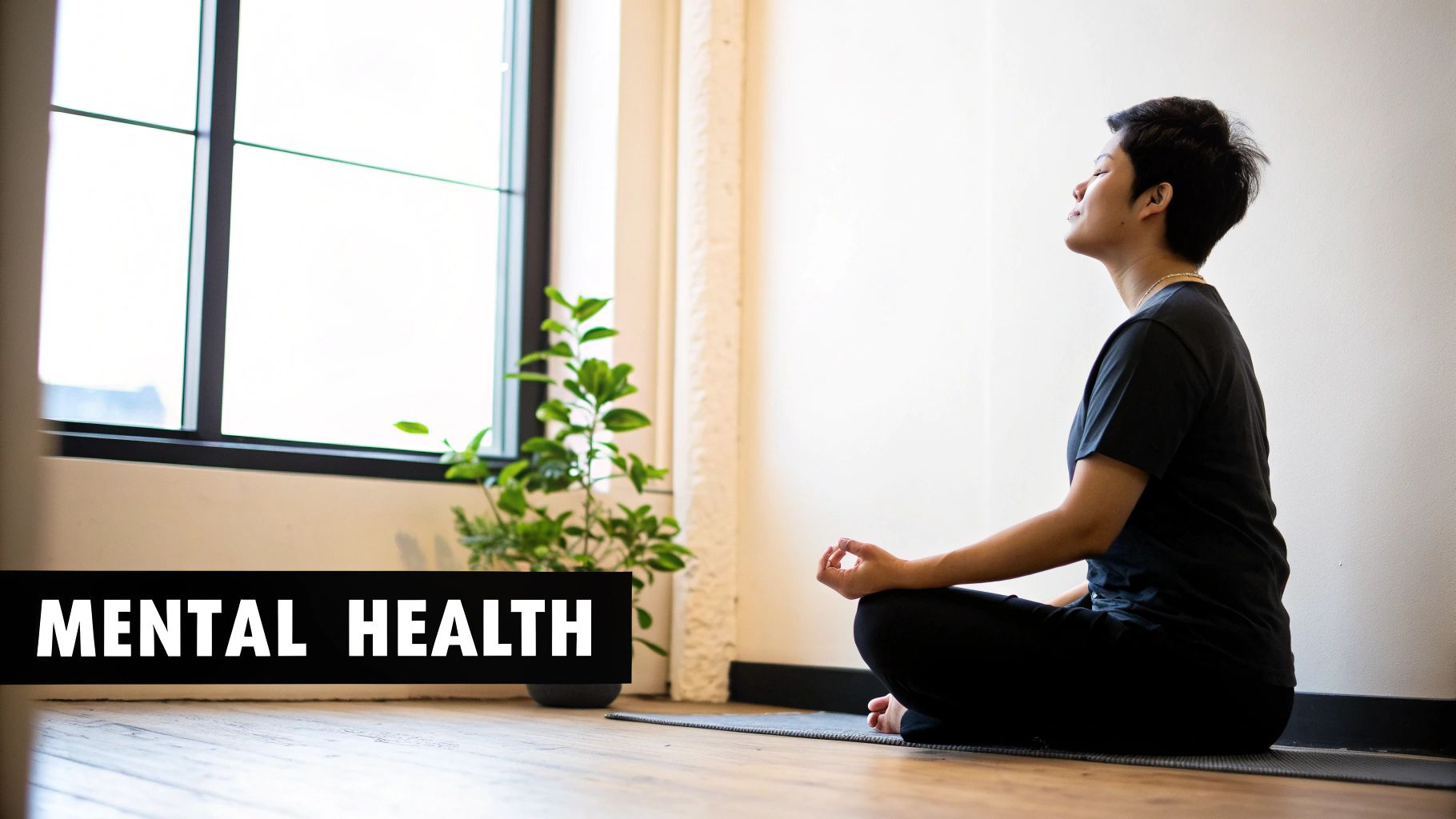
These programs work by building a multi-layered support system. Companies like Salesforce and Microsoft lead by example, offering free counseling, peer support groups, and even dedicated mental health days separate from sick leave. The goal is to create an environment where seeking help is easy, confidential, and completely normalized.
How to Implement a Mental Health Program
-
Provide Confidential Access to Professionals: Make your Employee Assistance Program (EAP) easy to access and guarantee confidentiality. Offer subsidies for therapy or provide access to virtual counseling services to remove financial and logistical barriers.
-
Offer Mindfulness and Meditation Tools: Give employees subscriptions to popular apps like Calm or Headspace. These tools provide guided meditations, stress-reduction exercises, and sleep stories that can be used anytime, anywhere, helping employees build resilience.
-
Create Spaces for Decompression: Designate quiet rooms or outdoor wellness areas where employees can step away to meditate or simply relax. Encouraging a "walk and hydrate" break with a HYDAWAY bottle combines physical activity, nature, and hydration, which are proven to reduce stress levels more effectively.
-
Normalize the Conversation: Train managers in mental health first aid and encourage leadership to openly discuss the importance of well-being. A healthy work environment also involves addressing interpersonal dynamics; providing resources for navigating workplace relationships and stress can be a crucial part of your support system.
Key Insight: A robust mental health program is proactive, not just reactive. It's about creating a culture of psychological safety where employees feel supported before they reach a crisis point, ensuring a healthier, more present, and resilient workforce.
6. Active Commuting and Transportation Wellness Programs
Transforming the daily commute from a sedentary chore into a health-boosting activity is a powerful employee wellness program idea. Active commuting initiatives encourage employees to bike, walk, or use public transit, directly improving cardiovascular health, reducing stress, and lowering the company's collective carbon footprint. This approach addresses physical wellness while simultaneously promoting environmental responsibility.
These programs work by removing common barriers to active transportation. Companies can offer infrastructure support, financial incentives, and community-building activities that make leaving the car at home the easier, more appealing choice. By championing sustainable travel, organizations like Google and Patagonia have demonstrated a commitment to both employee well-being and corporate citizenship.
How to Implement an Active Commuting Program
-
Build Supportive Infrastructure: Install secure bike racks, lockers, and onsite shower or changing facilities. This ensures employees who bike or run to work can freshen up comfortably before starting their day, a key factor in participation.
-
Offer Financial Incentives: Subsidize public transit passes or provide reimbursements for using bike-share programs. Following Microsoft's lead, consider offering an e-bike purchase subsidy to make this modern commuting option more accessible to your team.
-
Gamify the Journey: Launch a "Commute Challenge" using a tracking app to log miles walked, biked, or saved by carpooling. Reward top participants or teams with prizes, company-wide recognition, or extra paid time off.
-
Equip Commuters for Success: An active commute requires practical gear. Provide employees with collapsible, lightweight water bottles from HYDAWAY. They are perfect for stashing in a backpack or pannier without adding bulk, ensuring commuters stay hydrated on their journey to and from the office.
Key Insight: An active commuting program extends wellness beyond the office walls. It redefines the start and end of the workday as an opportunity for physical activity and mental decompression, fostering a healthier, more energized, and environmentally conscious workforce.
7. Sleep Optimization and Recovery Programs
A truly holistic approach to employee wellness must address the cornerstone of health: sleep. Recognizing that recovery is as crucial as performance, sleep optimization programs focus on improving both the quality and quantity of employee rest. These initiatives combat the pervasive issue of sleep deprivation, which directly impacts cognitive function, emotional regulation, and physical health, making it a high-impact area for any wellness strategy.
These programs work by providing education, tools, and a supportive culture that prioritizes restorative sleep. Companies educate teams on the science of sleep hygiene and its direct link to productivity and well-being. This is supported by tangible resources, such as access to sleep-tracking technology, and environmental changes that reduce workplace factors known to disrupt healthy sleep patterns.
How to Implement a Sleep Program
-
Provide Sleep-Tracking Technology: Offer subsidies or access to wearable technology like Oura Rings or Whoop bands that provide detailed sleep analytics. Companies like Nike have successfully used these tools to help employees understand and improve their recovery metrics, fostering a data-driven approach to personal health.
-
Create Rest-Friendly Spaces: Designate a quiet, comfortable area in the office for short naps or meditation. Google famously pioneered this with their "nap pods," acknowledging that a brief 20-minute rest can significantly boost alertness and performance for the remainder of the workday.
-
Launch an Educational Series: Host workshops or webinars led by sleep experts, like those inspired by researcher Matthew Walker. Cover topics such as sleep hygiene, the impact of blue light, and stress management techniques that promote better sleep.
-
Set Healthy Work Boundaries: Implement policies that actively discourage after-hours emails and weekend work. A culture that respects personal time is fundamental to ensuring employees can fully disconnect and recharge, a practice embraced by forward-thinking companies like Aetna, which rewards employees for improving their sleep.
Key Insight: A successful sleep program moves beyond generic advice and creates a systemic culture of recovery. It acknowledges that a well-rested team is a more resilient, innovative, and engaged team, making sleep a non-negotiable pillar of workplace wellness.
8. Fitness and Physical Activity Challenge Programs
Energizing your workforce through physical activity is a cornerstone of effective employee wellness program ideas. Fitness challenges and activity-based initiatives directly combat sedentary work culture, boosting cardiovascular health, improving mood, and reducing stress. These programs foster a sense of shared purpose and friendly competition, transforming individual health goals into a collective team-building experience.
This approach works by making physical fitness accessible, engaging, and rewarding. Companies can remove common barriers like cost and motivation by subsidizing gym memberships, offering on-site classes, or creating structured challenges with appealing incentives. Tech giants like Google and Salesforce have pioneered this by offering comprehensive on-site fitness facilities and wellness stipends, proving the model's success at scale.
How to Implement a Fitness and Activity Program
-
Offer Diverse and Flexible Options: Cater to all fitness levels and interests by providing a mix of activities. Subsidize gym memberships, host virtual yoga or HIIT classes, and create clubs for running, cycling, or walking. The goal is to ensure every employee finds an activity they genuinely enjoy.
-
Launch Team-Based Challenges: Use platforms like Strava or Fitbit to create monthly step challenges, distance goals, or activity-minute competitions. Grouping employees into teams encourages accountability and camaraderie. Reward winning teams with a healthy catered lunch or extra paid time off.
-
Integrate Outdoor and On-the-Go Fitness: Encourage employees to take their workouts outdoors. Organize group hikes or a "lunch-hour 5K" event. For these activities, a portable and packable bottle like HYDAWAY is perfect, allowing staff to stay hydrated without being weighed down by bulky gear.
-
Celebrate Milestones, Not Just Victories: Recognize and celebrate personal progress and consistent participation, not just the top performers. Acknowledge when someone hits a personal best or completes their first 10k. This inclusive approach keeps motivation high for everyone, regardless of their starting fitness level.
Key Insight: A successful fitness program emphasizes participation and progress over perfection. By making physical activity social, accessible, and rewarding, you create a supportive environment where employees feel empowered to build healthier habits that boost both their personal well-being and their professional performance.
9. Wellness Travel and Sabbatical Programs
A truly forward-thinking employee wellness program idea involves supporting intentional time away through wellness travel and sabbaticals. These initiatives recognize that preventing burnout requires more than a standard vacation; it requires significant, restorative breaks that allow employees to disconnect, recharge, and pursue personal growth. By offering extended leave or supported travel, companies invest in their team's long-term resilience and engagement.
This approach works by formally sanctioning and encouraging prolonged rest and renewal. It shifts the culture from one that implicitly rewards constant connectivity to one that values deep rejuvenation. Companies like Patagonia, known for its generous sabbatical programs, and Buffer, which offers 10 weeks of paid vacation, prove that giving employees time to explore and recharge leads to a more innovative and loyal workforce.
How to Implement a Wellness Travel Program
-
Structure Generous Leave Policies: Start by establishing a strong foundation of paid time off (a minimum of 20 days is a good benchmark). From there, design a sabbatical program for long-term employees, such as offering an additional four to six weeks of paid leave after five years of service.
-
Model and Encourage Time Off: A policy is only as good as its adoption. Leadership and managers must actively model taking extended vacations and sabbaticals, sending a clear message that disconnecting is not only allowed but encouraged. Salesforce champions this by providing unlimited PTO and actively encouraging staff to take at least 15 days annually.
-
Support Employee-Designed Experiences: Empower employees to create their own renewal journeys. This could involve offering a stipend for wellness-related travel, providing resources for planning, or partnering with travel companies for exclusive discounts.
-
Equip for Adventure: Enhance the travel experience by providing practical, high-quality gear. Gifting a collapsible HYDAWAY bottle is perfect for wellness travel, as it’s lightweight, packable, and ideal for staying hydrated on hikes, city tours, or beach retreats, supporting employee health no matter where they go.
Key Insight: Wellness travel and sabbaticals are powerful retention tools that demonstrate a profound investment in an employee's holistic well-being. The goal is to create a system where team members can step away completely, returning to work with renewed energy, fresh perspectives, and a deeper sense of loyalty to the organization.
10. Sustainability and Eco-Conscious Workplace Programs
A powerful and modern approach to employee wellness involves integrating sustainability and ecological responsibility into the company culture. These programs recognize the deep connection between environmental health and personal well-being. By focusing on reducing waste, eliminating single-use plastics, and supporting green practices, companies can improve both the planet and their people.
These initiatives work by aligning corporate operations with the values of an increasingly eco-conscious workforce. When employees see their company taking meaningful action, it fosters a sense of pride and purpose, directly impacting mental health and engagement. Companies like Patagonia have built their entire brand identity around this principle, proving that ecological responsibility is also a sound business strategy. This is one of the more holistic employee wellness program ideas available.
How to Implement a Sustainability Program
-
Eliminate Single-Use Plastics: The most immediate and high-impact step is to remove single-use water bottles, cups, and cutlery. Equip every team member with high-quality, reusable alternatives. HYDAWAY's collapsible bottles and travel bowls are perfect for this, as their packable design supports a zero-waste lifestyle both in the office and on the go.
-
Launch Green Challenges: Gamify sustainability with office-wide challenges. This could include a "Waste-Free Week" or a competition to see which department can reduce its energy consumption the most. Offer rewards like a team lunch at a farm-to-table restaurant or donations to an environmental charity.
-
Establish a Sustainability Committee: Empower employees by creating a volunteer committee to lead green initiatives. This group can manage recycling programs, organize community clean-up days, or research sustainable vendors, ensuring the program is driven by genuine employee passion.
-
Track and Share Progress: Make the impact tangible by tracking metrics like waste reduction, energy savings, or the number of plastic bottles saved. Share these wins publicly in company newsletters and meetings to celebrate collective achievements and maintain momentum.
Key Insight: A successful sustainability program does more than just reduce a company's carbon footprint; it builds a culture of shared responsibility and purpose. It demonstrates that the company's values extend beyond profit, creating a healthier environment for both employees and the world. Discover more about what sustainable living means and how to apply its principles.
Employee Wellness Programs: 10-Point Comparison
| Program | 🔄 Implementation Complexity | ⚡ Resource Requirements | 📊 Expected Outcomes | 💡 Ideal Use Cases | ⭐ Key Advantages |
|---|---|---|---|---|---|
| Hydration-Focused Wellness Programs | Low — simple roll‑out; relies on habit change | Low — filtered stations, reusable bottles, reminder apps | Improved cognition, reduced fatigue/headaches, modest sustainability gains | Desk-heavy offices, hybrid teams, sustainability initiatives | ⭐⭐⭐ Low cost; quick, visible health benefits |
| Outdoor Adventure and Nature Immersion Programs | Medium — logistics, safety planning, scheduling | Moderate — gear, transport subsidies, guides | Reduced stress/cortisol, improved mood, team cohesion | Teams near natural areas, team building, stress reduction programs | ⭐⭐⭐ High mental‑health impact; memorable engagement |
| Desk-to-Movement Transition Programs | Medium — culture shift and policy change | Moderate — standing desks, reminders, fitness pods | Reduced sedentary risks, better posture, increased energy/focus | Sedentary workplaces, long screen‑time roles | ⭐⭐ Sustained activity gains; improves daily wellness |
| Nutrition and Mindful Eating Programs | Medium–High — ongoing education and food service changes | High — cafeterias, dietitians, healthy food sourcing | Reduced chronic disease risk, improved energy, lower long‑term costs | Large campuses, companies offering meals, wellness‑focused orgs | ⭐⭐⭐ Long‑term health impact; measurable cost savings |
| Mental Health and Stress Management Initiatives | Medium — requires destigmatization and leadership buy‑in | Moderate — counseling subsidies, apps, quiet spaces | Reduced burnout/anxiety, better sleep, lower absenteeism | High‑stress roles, retention efforts, hybrid workforces | ⭐⭐⭐ High ROI on productivity, retention, and wellbeing |
| Active Commuting and Transportation Wellness Programs | Medium — infrastructure and policy coordination | Moderate — bike storage, showers, transit subsidies | Increased daily activity, reduced emissions, cost savings for employees | Urban campuses, commutable employee populations | ⭐⭐ Promotes daily exercise and sustainability |
| Sleep Optimization and Recovery Programs | Medium — culture change plus facilities/policy updates | Moderate — nap spaces, tracking apps, education | Improved cognition, immune function, reduced accidents | Shift workers, performance‑critical teams, burnout prevention | ⭐⭐⭐ Strong impact on performance and safety |
| Fitness and Physical Activity Challenge Programs | Medium — sustained engagement and program management | Moderate–High — gyms, classes, tracking tools | Improved cardiovascular health, team bonding, reduced absenteeism | Active employee bases, companies promoting team fitness | ⭐⭐ Encourages regular exercise; scalable formats |
| Wellness Travel and Sabbatical Programs | High — policy design, coverage planning, cultural acceptance | High — paid leave costs, travel/stipend budgets | Reduced burnout, higher retention, creativity boost on return | Long‑tenure employees, retention/attraction strategies | ⭐⭐⭐ Significant retention and satisfaction benefits |
| Sustainability and Eco‑Conscious Workplace Programs | Medium — systems change and behavior adoption | Moderate — reusables, composting, procurement shifts | Reduced waste/toxin exposure, improved employer brand, values alignment | Companies with CSR goals, recruiting for eco‑minded talent | ⭐⭐⭐ Aligns values, reduces environmental footprint |
Putting Ideas into Action: Your Path to a Healthier Workplace
We've explored a comprehensive landscape of employee wellness program ideas, from hydration-focused challenges and outdoor adventure clubs to mental health initiatives and active commuting perks. The sheer volume of options can feel overwhelming, but the journey to a healthier, more engaged workforce doesn't require implementing everything at once. The key is to move from inspiration to intentional, strategic action.
The most successful wellness programs are not top-down mandates; they are collaborative efforts built on a foundation of genuine care and employee feedback. They reflect the unique needs and desires of your team, whether they are digital nomads seeking packable wellness solutions, eco-conscious commuters, or weekend adventurers looking to de-stress in nature. The core takeaway is this: wellness is not one-size-fits-all. It's a dynamic, evolving aspect of your company culture.
From Listicle to Launch: Your Actionable Next Steps
To transform these ideas into a tangible reality, focus on a structured, phased approach. Avoid the temptation to launch a dozen initiatives simultaneously. Instead, build momentum and demonstrate value through targeted efforts.
1. Listen First, Act Second:
- Survey Your Team: Before you invest a single dollar, create a simple, anonymous survey. Ask your employees what wellness means to them. Are they more interested in physical fitness challenges, mental health support, or financial literacy workshops? This data is your most valuable asset.
- Form a Wellness Committee: Create a volunteer group of passionate employees from different departments. This team can champion the program, gather ongoing feedback, and ensure the initiatives feel authentic and employee-driven, not like a corporate checklist.
2. Start Small, Win Big:
- Select a Pilot Program: Choose one or two low-cost, high-impact ideas from our list to start. A company-wide hydration challenge or a "Desk-to-Movement" stretching program requires minimal budget but delivers visible and immediate benefits.
- Celebrate Early Wins: Did your team collectively walk the distance of the Appalachian Trail in a month? Did you hit a new record for participation in a mindfulness session? Acknowledge and celebrate these milestones to build enthusiasm and prove the program's value.
3. Equip for Success:
- Provide Practical Tools: The difference between a good idea and a great program often lies in the execution. Supporting your initiatives with quality tools removes barriers and shows a deeper level of investment. For example, launching a hydration challenge becomes far more effective when every employee receives a branded, collapsible HYDAWAY water bottle. It's a practical, sustainable gift that serves as a constant, visible reminder of the wellness goal.
- Integrate with Your Brand: Choose wellness perks that align with your company’s values. If sustainability is a core value, providing reusable lunch kits or sponsoring a park cleanup is a natural fit. This integration makes your wellness program an authentic extension of your brand identity.
The Lasting Impact of Investing in Well-Being
Ultimately, the most effective employee wellness program ideas are those that become woven into the daily fabric of your workplace culture. They foster a sense of community, demonstrate that the company cares for its people as individuals, and empower everyone to take ownership of their health. This investment pays dividends far beyond reduced healthcare costs; it cultivates loyalty, boosts morale, sparks creativity, and builds a resilient, thriving organization where people are proud to work.
Your path to a healthier workplace begins not with a massive budget, but with a simple commitment to listen, start small, and build thoughtfully. Begin that conversation today and take the first step toward a culture where well-being isn't just a program, it's the priority.
Ready to kickstart your wellness initiatives with a practical, sustainable perk your team will love? Equip your employees for hydration challenges, active commutes, and mindful eating with customizable, collapsible gear from HYDAWAY. Explore our corporate branding options and find the perfect products to support your team's wellness journey at HYDAWAY.