


Convertible Tote Bag: A Guide for Modern Adventurers

A lot of trips don’t look like trips when they start. You grab coffee in town, stop at a market, take a call from the road, then somebody says there’s a trailhead twenty minutes away and the day changes shape. That’s usually when the wrong bag becomes obvious.
A standard tote feels great until the path gets uneven and the load starts sawing into one shoulder. A full backpack works on the trail, but it can feel bulky and excessive when you’re ducking into a café, picking up produce, or carrying a laptop between stops. For people who move between pavement, campsites, airport gates, and trail pullouts, that mismatch gets old fast.
The appeal of a convertible tote bag is simple. One bag adapts to the day instead of forcing the day to adapt to the bag. It carries cleanly in town, wears comfortably when the walk gets longer, and takes up less mental and physical space than owning a separate tote, work bag, and casual daypack.
That matters even more if you already travel with a pack-light mindset. If you’ve been refining your gear list, the best place to start is often your everyday carry system, not another accessory. HYDAWAY’s guide to packing light gets at the same idea. Fewer items, better choices, more freedom.
The One Bag for Your Spontaneous Adventures
The best convertible tote bag earns its keep on the unplanned parts of the day.
In Bend, that might mean starting with a laptop and notebook at a coffee shop, swinging by Newport Market for dinner supplies, then heading west with a puffy and water layer because somebody spotted a clear weather window in the mountains. In a van-life setup, it might start as your grab bag for camp chores, then become the bag you carry into town, then the one you throw on for a quick lakeside walk before sunset.
A single-purpose bag always reveals its limits. Totes get awkward when you’re carrying weight for more than a short walk. Backpacks can be overbuilt for simple errands and look out of place when you want quick top access. Duffels swallow gear but don’t organize it well enough for everyday movement.
Practical rule: If your bag makes you think twice before saying yes to a detour, it’s the wrong bag.
That’s where the convertible format shines. It gives you the open, easy access of a tote when you’re loading groceries, jackets, or road trip essentials. Then it switches into a more balanced carry when the route gets longer or the bag gets heavier. You don’t need to go back to the vehicle, repack, or wish you had brought something else.
Where this matters most
- Van-lifers: Space is finite. A bag that handles laundry runs, farmers market stops, and campground walks reduces clutter.
- Digital nomads: You can carry something that feels presentable for a work setting but doesn’t punish your shoulders on the walk back.
- Weekend hikers: A flexible bag covers the low-commitment outings that don’t justify hauling a technical daypack.
That’s the core value. A convertible tote bag supports a more responsive way of traveling, where you carry less gear overall but get more range out of each piece.
Defining the Modern Convertible Tote Bag
A modern convertible tote bag isn’t just a tote with an extra strap clipped on as an afterthought. The better designs are built around one idea: a single carry system that changes modes without becoming clumsy in either one.
Think of it as the Swiss Army knife of personal carry, but with a catch. Most multi-use gear fails because it does many jobs badly. A good convertible tote only works if each mode feels intentional. Tote mode should be quick and clean. Backpack or crossbody mode should feel stable and comfortable enough that you’ll use it.

The common formats
The category usually breaks into a few practical shapes.
Tote to backpack is the most useful for travel and outdoor-adjacent use. You get open access and a low-profile look in tote mode, then switch to two-strap carry when the load gets serious.
Tote to crossbody works well if your days stay mostly urban and you want faster transitions, but it’s usually less comfortable under heavier loads.
Three-in-one or four-in-one designs try to cover tote, backpack, shoulder, and crossbody carry. These can be excellent, but they’re also where bad design shows up fastest. More modes mean more hardware, more dangling parts, and more chances for the bag to feel fussy.
What separates it from an ordinary tote
A normal tote is built around one carry orientation. A convertible tote bag is built around multiple stable orientations.
That changes how the bag is shaped, how the straps are anchored, and how the pockets need to behave. A pocket that works upright in tote mode can dump its contents sideways if the designer didn’t think through backpack mode. A handle that feels comfortable for a short shoulder carry can twist or bunch when it becomes part of a backpack strap system.
The best convertible bags don’t feel clever. They feel obvious once you use them.
The design philosophy that matters
When I’m evaluating this kind of bag for real travel, I want four things working together:
- Carry flexibility: It needs to shift modes without drama.
- Clean access: I should be able to reach daily items fast.
- Comfort under motion: The bag can’t turn into a pendulum once I’m walking.
- Long-term usefulness: If it only works in airports or coffee shops, it’s too limited for an adventure traveler.
That last point gets missed a lot. Most mainstream coverage treats these bags as commuter accessories. For anyone living out of a rig, flying with one-bag discipline, or building around compact gear, the modern convertible tote bag is better understood as a modular travel tool.
How a Tote Transforms into a Backpack
A good convertible tote should change modes fast enough that you use the feature in real life, not just admire it on a product page. That matters when you leave the van for a quick grocery stop, then end up walking a mile to a trailhead with water, layers, and a camera stuffed inside.
The difference starts with strap architecture. On a well-designed bag, the straps reroute or clip into place cleanly, the anchor points are reinforced, and the loose ends stay controlled instead of snagging on door handles, camp tables, or brush. As noted earlier, better designs are built for quick conversion, repeated use, reduced carry strain, durable fabric performance, and a base structure that still holds shape under load while packing down flat.

The hardware that matters
I pay attention to the stress points first. Strap anchors, clips, and adjustment hardware decide whether the bag keeps working after a season of real travel or starts feeling sketchy once it carries groceries, wet layers, climbing shoes, or a laptop.
A strong setup usually includes:
- Secure clips or gates: Easy to reconfigure and less likely to shift under movement.
- Reinforced anchor points: Better at spreading load across the bag body.
- Adjustable shoulder straps: Easier to dial in for different layers and torso sizes.
- Strap management: Helps keep webbing from swinging around while biking, hiking, or boarding transit.
For travelers comparing categories, a well-built tote pack overlaps with the same decision points used for a personal-item bag. AquaVault’s carry on travel backpack guide is useful because it looks at comfort, access, weather protection, and how a bag handles crowded transit and long carry days.
Why backpack mode changes the carry
Single-shoulder carry works for short distances. Once the load gets heavier or the route gets longer, the tote mode shows its limits fast.
Backpack mode spreads weight more evenly and keeps the bag closer to your body. On uneven campground paths, airport stairs, ferry ramps, and dirt pullouts, that extra stability means less sway and less need to keep readjusting the bag. For hikers and global nomads, that is the difference between a bag you tolerate and one you keep reaching for.
A quick visual helps if you want to see the category in action.
Fabric, structure, and weather
Materials decide whether a convertible tote belongs in an adventure kit or stays stuck in the commuter lane. For HYDAWAY-style travel, I want fabric that can handle damp ground, rough truck beds, overhead bins, and the constant abrasion that comes with being packed beside bottles, cookware, and electronics.
Tighter-woven recycled nylon or polyester with a weather-resistant finish usually hits the sweet spot. It keeps the bag light enough to stash when empty, but still tough enough for repeated packing and hauling. Structure matters too. A supportive base helps the bag stand up when you are loading it at camp or in a parking lot, while a foldable body lets it collapse down when space is tight.
That pack-flat behavior is a real advantage in a van or travel kit built around collapsible gear. The bag can carry a full day’s load, then tuck into a drawer, footwell, or gear bin without wasting space.
Practical Benefits for Life on the Move
The strongest case for a convertible tote bag isn’t style. It’s reduction. Less duplicated gear, fewer packing decisions, and less dead space inside your vehicle or luggage.
For people who live out of changing plans, that matters every day.
The van-life version
In a van, every item competes with food bins, bedding, cooking gear, and recovery tools. A bag that only does one job usually doesn’t last long in the system.
A convertible tote bag can handle grocery runs in the morning, carry laundry in the afternoon, and head to a trail or lakeshore in the evening. You’re not pulling out one bag for town and another for the walk. You’re using one piece of gear more often, which is usually the clearest sign it deserves the space it takes up.
The digital nomad version
Some travelers need one bag that can move between professional and casual use without looking sloppy.
That’s where structure helps. A tote silhouette can feel cleaner in a coworking space, hotel lobby, or client meeting than a sporty daypack. Then, once the laptop is put away and the day turns into a long city walk or a train connection, the bag shifts into a more comfortable carry mode. You keep the polished look when you need it, but you’re not stuck carrying it one-shouldered for hours.
The best travel gear doesn’t ask who you are today. It works whether you’re taking a meeting, boarding a train, or walking to a viewpoint before dinner.
The family and weekend-outing version
Families get a lot out of this format because the load changes constantly.

A roomy tote opening makes it easy to toss in snacks, extra layers, wipes, sunscreen, and the random things kids hand back to you five minutes after insisting they’d carry them. When the walking gets longer, converting to backpack mode frees your hands and spreads the load better.
For weekend hikers, the benefit is slightly different. A convertible tote fills the gap between “just running into town” and “full trail setup.” It’s ideal for those low-commitment outdoor days where you want flexibility more than specialized capacity.
Why one flexible bag often beats several niche bags
Owning several bags can seem more prepared. In practice, it often creates friction.
- One bag is easier to remember: Your essentials stay in a familiar layout.
- One bag saves space: That matters in small apartments, carry-on travel, and camper storage.
- One bag can replace clutter: A strong convertible design can stand in for multiple single-purpose carriers.
- One bag supports lower-waste habits: Reusing one durable carry solution beats cycling through trend-driven bags that don’t hold up.
That last point matters more than a lot of brands admit. A versatile bag only earns the sustainability label if it survives hard use and keeps replacing less useful options.
Choosing Your Adventure-Ready Convertible Tote
You pull into a wet trailhead outside Bend, grab a layer for the ridge, toss groceries into the same bag on the drive back, then slide it under a van bench before dinner. That kind of day exposes weak gear fast. A convertible tote for real travel needs to handle dirt, moisture, odd-shaped loads, and constant mode changes without turning into another piece of clutter.
A lot of tote reviews judge bags by office polish and coffee-shop convenience. Adventure use asks different questions. Does the fabric shrug off grit and pine needles? Do the straps stay comfortable on a half-mile walk from camp to town? Can the bag collapse small enough to earn its spot in a tight rig, daypack, or overhead bin?
What to inspect before you buy
Start with the places that usually fail.
Strap anchors and seams deserve the first inspection. Grab the handles and backpack straps, then look closely where they meet the body of the bag. Bar-tacks, boxed stitching, and reinforced panels hold up better than thin decorative attachment points. If a bag looks clean in product photos but the straps are attached like an afterthought, skip it.
Fabric choice matters just as much. For van-life, camping, and travel, technical nylon or recycled polyester usually beats heavy fashion fabrics because it dries faster, cleans up easier, and packs down with less bulk. For readers comparing materials, a classic heavy canvas tote bag is still a useful benchmark for structure and abrasion feel. Canvas wears in nicely, but it also stays wet longer and takes up more room when storage is tight.
Conversion hardware needs a hard look. Test every clip, buckle, and strap path with some weight in the bag if you can. The best convertible totes switch modes in seconds and still carry well when full. The worst ones technically convert, but only after a frustrating round of strap untwisting and handle juggling.
Packability matters here too. A bag can be light and still be bulky. For HYDAWAY-style travel, the sweet spot is a tote that lies flat or folds small when empty, then opens wide enough to handle market stops, camp layers, or a last-minute beach detour.
Field note: If the backpack mode only looks right in staged photos, expect sag, sway, and strap creep once you load water, food, and a shell.
Convertible Tote Features by Use Case
| Feature | Urban Commuter Priority | Adventure Traveler / Van-Lifer Priority |
|---|---|---|
| Strap comfort | Fine for short daily carry | Comfortable on uneven ground and longer walks |
| Fabric | Clean appearance, office-friendly finish | Abrasion resistance, faster drying, easier cleanup |
| Packability | Helpful | High value in vans, camp bins, and carry-on travel |
| Weather resistance | Useful for occasional rain | Helpful for camp use, road travel, and trailhead loading |
| Organization | Laptop and small-item access | Secure pockets that still work in tote and backpack modes |
| Base structure | Upright on office floor | Stable on dirt, rocks, van floors, or picnic tables |
| Hardware | Smooth and minimal | Durable clips, zippers, and attachment points under repeated load |
| Overall look | Polished and versatile | Function-first, still clean enough for town use |
A short buying checklist
Use this filter when you compare options:
- Check conversion speed: A bag should switch from tote to backpack without a puzzle.
- Inspect the closure: Open tops are handy at camp, but zippers or secure snaps travel better.
- Load-test the shape: Some bags carry fine by hand and feel awkward on your back.
- Look at the base: A little structure helps when you set the bag down on rough ground.
- Plan for cleanup: Dust, sunscreen, spilled coffee, and damp jackets are normal. Pick materials you will wipe down and maintain.
- Match it to your gear system: If you already travel with nesting, collapsible, or flat-packing gear, your tote should support that habit instead of fighting it.
If your trips regularly involve rain, paddle gear, or sandy campsites, compare tote features with a more protective category. HYDAWAY’s guide to the difference between a convertible tote and a waterproof dry bag helps clarify when water resistance is enough and when you need true waterproof protection.
Pairing Your Tote with Packable Essentials
A convertible tote earns its place when plans change at noon.
You break camp outside Sisters, stop for groceries in Bend, then end up at a trailhead before dinner. The bag only works if the gear inside can adapt just as fast. For van-lifers, hikers, and long-term travelers, that means building around packable pieces that save space when they are not in use.
A good tote handles the grab-and-go part. The rest of the system should keep bulk down, stay organized, and cut waste on the road. That is the primary advantage for the HYDAWAY crowd. One bag can cover town errands, campsite carry, and travel days, but only if the contents collapse, nest, or pull double duty.

Real setups that stay useful
On a flight day, the tote works best as your under-seat bag. Keep the must-haves easy to reach: laptop, charger, passport, snacks, a shell, and one compact pouch for small items. After landing, the packable pieces take over, especially if you need a spare bag for food, laundry, or a quick beach stop.
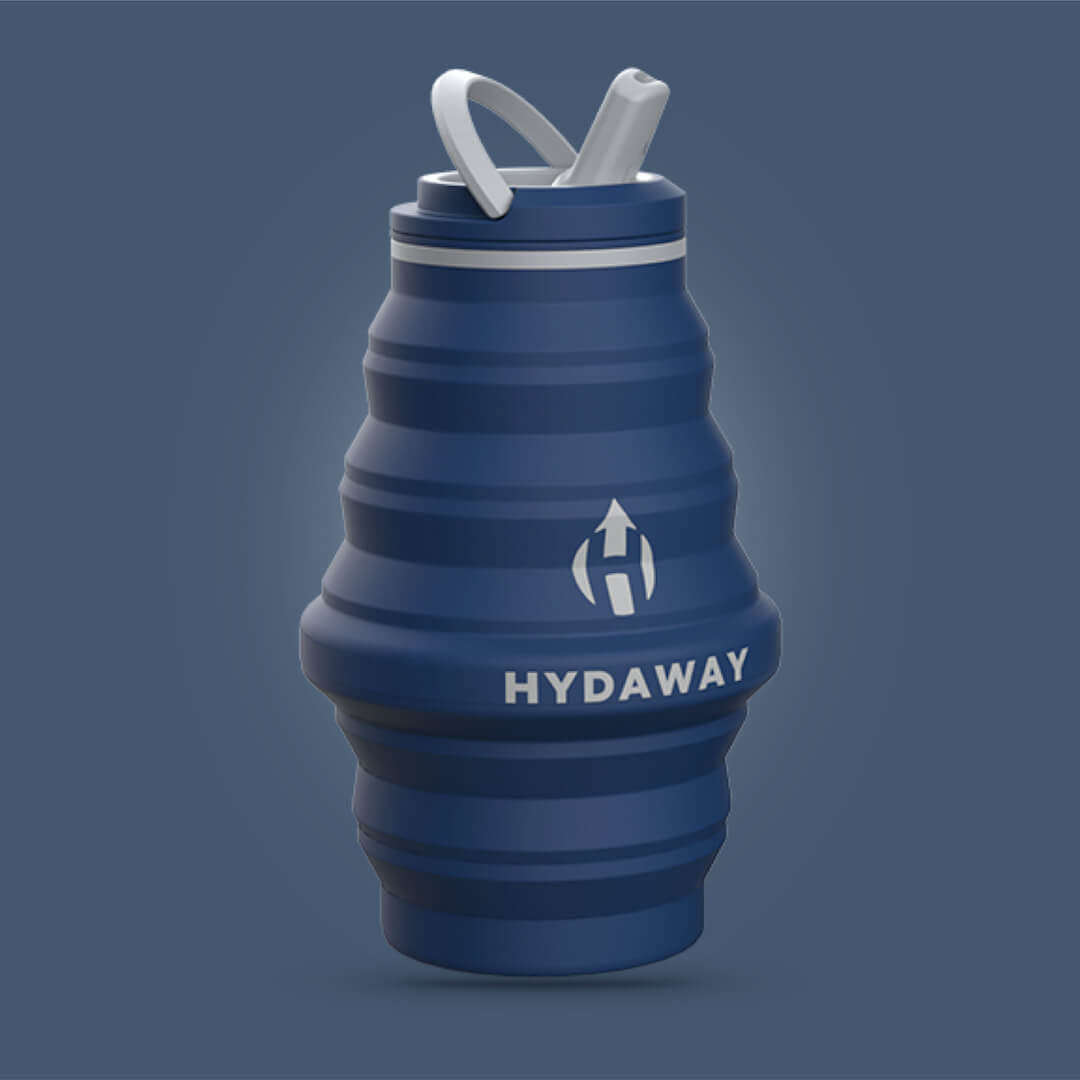
On a campervan day, this bag becomes the one that keeps the interior from turning into a pile. I like a collapsible bottle, a compact food container, a light layer, toiletries, and a zip pouch for cords. Everything has a home, and nothing bulky keeps its full shape when empty.
For a city-to-trail day, the same setup keeps transitions easy. Grab coffee in town, carry lunch to a lookout, then bring back damp layers or market food without needing to swap bags.
What to pack inside
The best pairings solve common annoyances you feel every day on the road:
- Collapsible hydration gear: Easier to stow after you drink, especially in a van or crowded personal item.
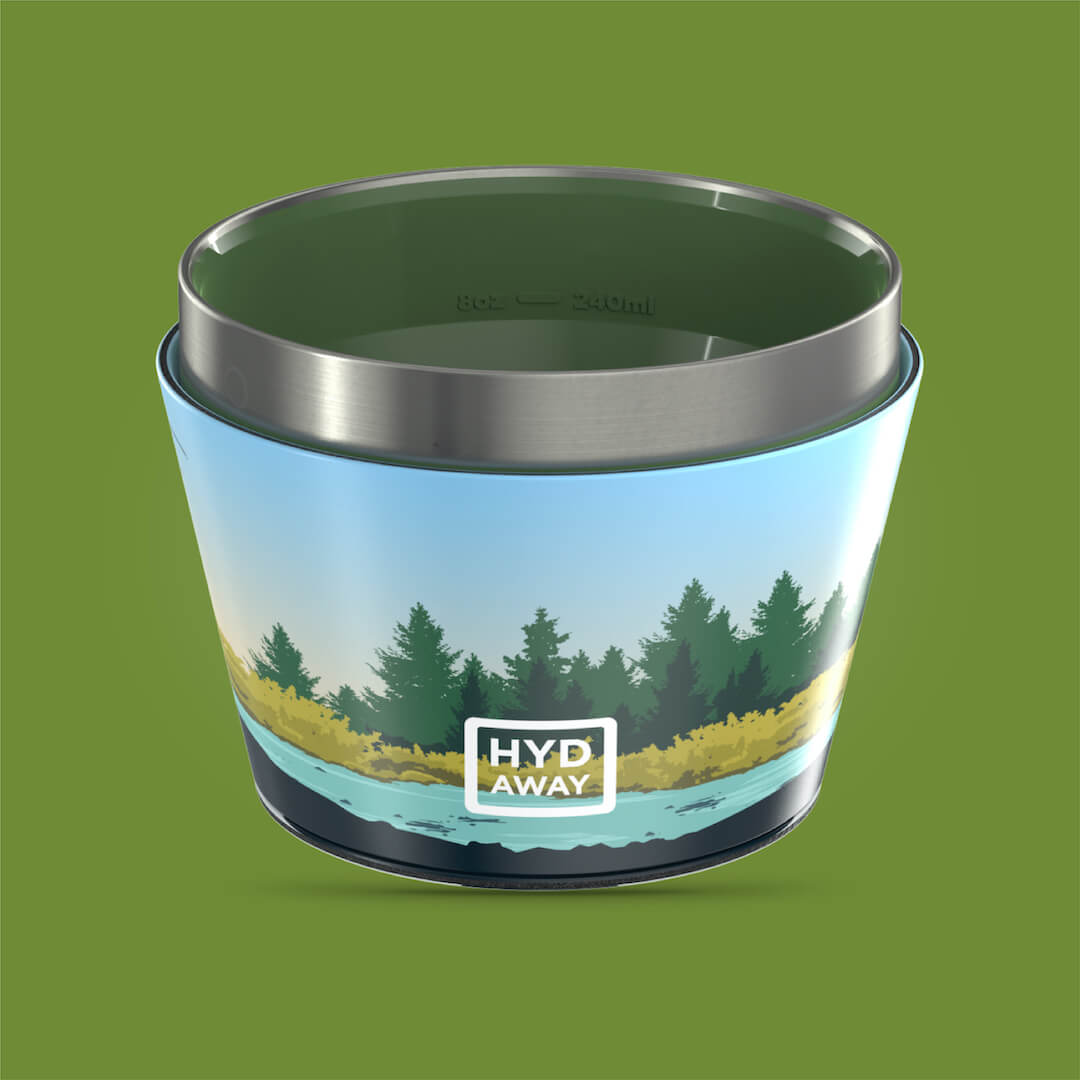
- Compact reusable food storage: Better for trail lunches, leftovers, camp prep, and cutting down on disposable packaging.
- A stashable extra bag: Useful for groceries, laundry, wet gear, or separating clean clothes from dusty ones.
- Slim organizer pouches: They keep cables, toiletries, first-aid basics, and utensils from disappearing into the bottom of the tote.
- A compressible layer: A wind shell or light insulation piece gives you warmth without eating half the bag.
The trade-off is simple. Every rigid item you add makes the tote less flexible. Every item that folds flat or collapses gives space back.
If you travel best with a lighter, more modular setup, HYDAWAY’s minimalist travel packing list gives a practical framework for choosing what actually earns space in your bag.
Pack the tote like part of a system, not a catch-all. That is what makes it work for adventure travel. The bag carries well. The gear inside stores small. Together, they take up less room in the van, waste less space in transit, and stay useful long after the office commute is over.
Keeping Your Convertible Tote in Top Shape
Adventure use is hard on bags, but maintenance doesn’t need to be complicated.
Start with spot cleaning after dirty trips. Mud, trail dust, and coffee splashes are easiest to remove before they set. Use mild soap, cool water, and a soft cloth or brush. Don’t scrub aggressively around coated fabrics, strap seams, or lining edges.
Small habits that extend bag life
- Empty grit before storage: Sand and dirt wear fabric from the inside.
- Check clips and adjusters regularly: Catching a cracked buckle early is better than discovering it under load.
- Clean zippers and hardware: A quick wipe removes grime that can make closures stick or corrode.
- Dry the bag fully before packing it away: Damp storage is rough on coatings, linings, and odor control.
If the care label allows machine washing, use a gentle cycle and skip high heat. Air drying is the safer default for most technical bags. Heat can warp structure, weaken coatings, and shorten the life of adhesives or foam.
Store it like gear, not laundry
Don’t cram the bag wet into a dark bin and forget it. Store it dry, loosely shaped, and with straps untwisted. If the bag has a foldable base or collapsible structure, use the manufacturer’s intended fold pattern instead of forcing sharp bends where the material doesn’t want them.
A well-chosen convertible tote bag should age like useful gear. It’ll pick up wear, but it shouldn’t lose function. That’s the difference between a bag you own and a bag you rely on.
If you’re building a carry system around compact, reusable travel gear, HYDAWAY is worth a look. Their collapsible bottles, bowls, backpacks, and travel accessories fit the same practical philosophy that makes a good convertible tote bag so useful. Carry less, save space, and stay ready for the kind of days that don’t stick to the plan.