


Essential Carry On Luggage Packing Tips for Smarter Travel

If you want to master carry-on packing, it all comes down to one thing: strategic pre-trip planning. Seriously, a little bit of prep work before you even think about opening your suitcase is the secret sauce. By creating a packing list that's actually built for your trip and your plans, you'll stop overpacking, dodge those infuriating baggage fees, and sail through the airport.
Your Pre-Trip Blueprint for Carry-On Success

Packing shouldn’t be a last-minute, chaotic scramble. Think of it as the first real step of the adventure. When you shift your mindset from "stuffing a bag" to "crafting a travel plan," you unlock the pure freedom of traveling with only a carry-on. And trust me, it’s not just about saving space; it's about saving money, time, and your sanity.
The financial upside is a huge motivator. Major airlines are now charging $35-$40 for the first checked bag each way. That means a family of four can easily save over $280 on a single round trip! That’s money you could be spending on an incredible meal or a cool local tour. This isn't small change; back in 2022, U.S. airlines pocketed over $6.8 billion in baggage fees alone. That number just goes to show how many people are overpacking and overpaying. You can read more about how travelers are saving big by ditching their checked bags.
Building Your Personalized Packing List
A good trip starts with a good list. But not some generic checklist you found online—that’s a surefire way to bring a bunch of stuff you’ll never touch. Your list needs to be built around the trip you’re actually taking.
Before you write down a single item, ask yourself a few key questions:
- What's the weather like? A summer week in humid Costa Rica calls for a totally different wardrobe than a week wandering the chilly streets of London in December. I always check the 10-day forecast right before I start packing.
- What am I actually doing? Are you hiking in Zion, heading to business meetings in Tokyo, or just lounging by the pool in Cancún? Be honest with yourself about your plans. A business trip requires a different set of clothes than a beach vacation.
- What will be waiting for me there? Check if your hotel or Airbnb has a hairdryer, toiletries, or laundry. Knowing this ahead of time keeps you from packing things you don't need.
Pro Tip: I live by my digital packing lists. I use the Notes app on my phone to create a master template, and for each new trip, I just duplicate and tweak it. It has made packing for my next adventure exponentially faster.
Navigating Airline Carry-On Rules
Got your list? Great. Now, let’s make sure your bag actually gets on the plane. Airline rules are getting stricter, and with planes more crowded than ever, enforcement of size and weight limits is becoming more common.
Knowing the rules for your specific airline is non-negotiable. Don't just assume. A quick peek at their website before you pack can save you a world of hurt (and fees).
A quick reference guide can be a lifesaver. Here are the current standard carry-on rules for some of the biggest airlines.
Current Carry-On Rules for Major Airlines
| Airline | Max Dimensions (Inches) | Max Weight (lbs/kg) |
|---|---|---|
| American Airlines | 22 x 14 x 9 | No specified limit |
| Delta Air Lines | 22 x 14 x 9 | No specified limit |
| United Airlines | 22 x 14 x 9 | No specified limit |
| Southwest Airlines | 24 x 16 x 10 | No specified limit |
| British Airways | 22 x 18 x 10 | 51 lbs (23 kg) |
| Lufthansa | 21.6 x 15.7 x 9 | 17.6 lbs (8 kg) |
| Ryanair | 15.7 x 9.8 x 7.8 (Small Bag) | No specified limit |
| Emirates | 22 x 15 x 8 | 15 lbs (7 kg) |
Just remember, these can change. Always, always double-check your airline's website, especially for international and budget carriers where weight limits are common and strictly enforced.
For example, your bag might be perfectly fine on a flight from New York to LA, but you could get hit with a hefty fee for that same bag on a connecting flight with a European airline. That's a rookie mistake you don't want to make.
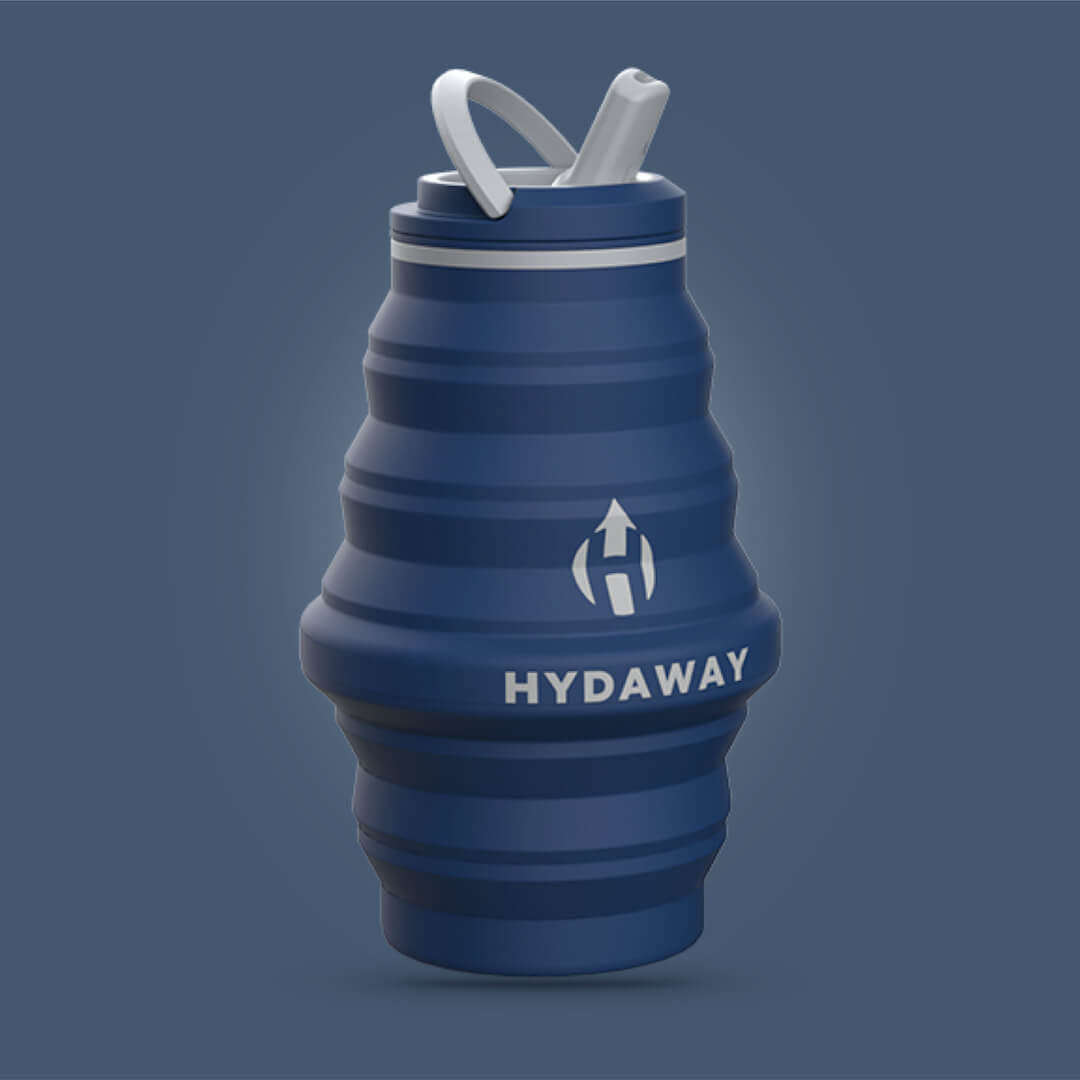
This is where smart packing really pays off. Little things, like bringing a collapsible HYDAWAY water bottle that weighs almost nothing when it’s empty, help you stay well under those tricky weight limits. Your pre-trip blueprint is what makes every inch and ounce count, setting you up for a smooth, fee-free journey.
Building a Versatile Capsule Wardrobe
The real secret to looking great on the road while keeping your carry-on shockingly light? A capsule wardrobe. Forget the idea that this is about restriction—it's actually about freedom. When you pack a small, carefully chosen collection of clothes that all work together, you completely ditch the morning "what do I wear?" headache. Suddenly, a handful of items can create dozens of unique outfits.
Here's a simple, practical formula for a weekend trip: three tops and two bottoms. Just like that, you've got six different looks without wearing the same thing twice. The magic trick is ensuring every single top goes with every single bottom. This one strategic move is the cornerstone of packing light.
Choosing the Right Fabrics and Colors
The fabrics you choose can honestly make or break a trip. You're looking for materials that fight wrinkles, dry quickly, and feel good no matter what the day throws at you. Merino wool is a traveler's absolute best friend—it's a champ at regulating temperature, wicking away sweat, and resisting odors. Seriously, you can wear it a few times before it even thinks about needing a wash. Other solid choices are synthetics like nylon and polyester, or soft Tencel blends.
When it comes to color, start with a neutral base for your main pieces. Think black, navy, gray, or beige. These colors are classic and play well with everything. Then, you can bring in your personality with one or two accent colors in your shirts or accessories.
A simple, lightweight scarf or a piece of statement jewelry can completely change the vibe of a neutral outfit. It's how you go from exploring ancient ruins by day to a nice dinner out at night, all without adding any real bulk to your bag.
The Power of a Layering System
If you're heading out on a longer trip with unpredictable weather—say, a 10-day adventure through Europe in the spring—a layering system isn't just a good idea, it's essential. Instead of one massive, bulky coat, you pack three distinct, lightweight layers that work together. This way, you're ready for anything, from a crisp morning to a surprisingly sunny afternoon.
- Base Layer: This is what's right against your skin. A moisture-wicking t-shirt or tank top, either merino wool or a good synthetic, is perfect.
- Mid-Layer: This is your insulation layer. Think of a lightweight fleece, a merino sweater, or a thin packable puffer vest. It's all about warmth without the weight.
- Outer Shell: This is your shield from the elements. A packable, waterproof, and windproof jacket is a non-negotiable. Wear it over the other layers when the weather turns, or by itself in a light drizzle.
This system lets you add or subtract pieces as the temperature shifts, so you're always comfortable. And the best part? Each piece is light and rolls up tightly, saving that precious carry-on space. For a deeper dive into these kinds of strategies, check out our full guide on how to pack light.
Making Every Item Count
With a travel capsule wardrobe, every single item needs to earn its spot. Before you pack something, ask yourself: can I wear this in at least three different ways? Can that button-down shirt be worn by itself, layered open over a tee, or tied at the waist over a dress? If the answer is yes, it's a keeper.
This multi-purpose mindset should apply to your gear, too. A HYDAWAY collapsible bottle is the perfect example of this philosophy in action. It keeps you hydrated all day while you're exploring, but when you're done, it squishes down to just over an inch thick. You can slide it into a side pocket or even your jacket, freeing up space in your daypack. It does its job perfectly, then gets out of the way. That’s the "carry less, do more" spirit that helps you truly master the art of carry-on travel.
Space-Saving Packing Techniques That Actually Work
Okay, you've planned your capsule wardrobe. Now comes the fun part: actually getting it all into your carry-on. This isn't about brute force; it's more like a game of smart geometry, transforming a pile of clothes into a perfectly organized bag with way more space than you'd expect.
The best method really depends on the fabric. For your soft stuff—t-shirts, leggings, and even jeans—the Ranger Roll is an absolute game-changer. It's a military-style technique where you fold and roll each item super tightly, tucking one end into itself to create a compact little clothing burrito. They won't unroll, and for most casual fabrics, it keeps wrinkles at bay.
For things with a bit more structure, like a blazer or a linen shirt, good old-fashioned flat-folding is usually the way to go. I like to lay these pieces flat at the very bottom of my suitcase or gently on top of everything else to keep them from getting crushed and creased.
The process below shows how this all comes together. When you start with a versatile wardrobe, packing it correctly becomes a breeze.

This simple flow—a neutral base, smart layers, and a few key accessories—is what makes these space-saving tricks so powerful.
Mastering Packing Cubes and Compression Sacks
While rolling and folding are your foundational skills, the real secret weapons for carry-on pros are packing cubes and compression sacks. Honestly, these are non-negotiable for me now. Think of packing cubes as portable drawers for your suitcase that let you categorize everything.
You can have one cube for tops, another for bottoms, and a small one for socks and underwear. It keeps your bag ridiculously tidy and means you're never digging through everything just to find a fresh pair of socks.
My favorite travel hack? When you get to your hotel, just pull the cubes out and slide them directly into the drawers. Unpacking and repacking literally takes seconds. It’s an organized system you can take anywhere.
Compression sacks are the next level. They work by squeezing out all the excess air, which can dramatically shrink bulky items. A puffy vest or a fleece jacket can be compressed to a fraction of its size, freeing up a shocking amount of real estate in your bag. This is a lifesaver for winter trips.
Real-World Space Savings
This isn't just about looking organized; it has a massive practical impact. Using packing cubes and compression sacks can slash the volume of your clothes by up to 50-70%. That’s a huge deal when you're up against strict airline rules, like the 7-10kg limits common in Europe or just trying to find bin space on a crowded flight. The experts agree: even basic rolling saves 20-30% more space than just folding.
And yes, you can get those bigger items in there, too. There are some great strategies for how to fit bulky items like coats in a carry-on without having to sacrifice half your bag.
Making Every Inch Count
To really max out your carry-on space, you have to start thinking in 3D and fill every last nook and cranny. This is where you can get a little creative.
- Stuff Your Shoes: That empty space inside your shoes is prime real estate. I always stuff mine with socks, underwear, or even small, fragile things like chargers to protect them and use that void.
- Play Tetris With Your Cubes: Arrange your packing cubes like you're playing Tetris. Heavier cubes go on the bottom near the wheels to keep the bag stable, and then you can fit smaller bags and loose items into all the gaps between them.
- Embrace Collapsible Gear: This is where smart travel gear really shines. A standard water bottle is a huge space-waster once it’s empty. A HYDAWAY collapsible bottle, on the other hand, flattens down to about an inch thick, so you can slide it into almost any leftover space.
This mindset of using every cubic inch is what separates rookies from seasoned travelers. For more tips on this, check out our guide on how to save space when packing. Every item has to earn its spot, and when you're not using it, it should take up as little room as possible.
Packing Toiletries and Liquids Without the Hassle

Let’s be honest—that little bag of toiletries can be the most stressful part of packing a carry-on. The fear of a shampoo explosion or getting pulled aside at security is a real travel anxiety. But with a couple of modern strategies, you can turn your toiletries bag from a source of dread into the easiest part of your pack.
First, you have to know the rules of the game. The TSA’s 3-1-1 rule is the law of the land in the United States. It breaks down like this: all your liquids, aerosols, gels, and creams must be in containers of 3.4 ounces (100 milliliters) or less. And all of those tiny containers have to fit comfortably inside a single, clear, quart-sized bag.
That one-bag limit is where most people get hung up. It’s not just about the size of each bottle; it’s about cramming everything you need into that one small space. This rule is pretty much universal for international travel too, so getting this down is a non-negotiable skill for any carry-on traveler.
Embrace the Solid Toiletry Revolution
The single best way to beat the 3-1-1 rule? Just sidestep it completely. In the last few years, the world of solid toiletries has absolutely exploded, giving us high-quality, travel-friendly options for nearly everything in our liquids bag.
Think about it: every solid item you pack is one less thing crowding that precious quart-sized bag. This isn't about making a sacrifice; it’s about seriously upgrading your travel kit.
Here are a few game-changing solid swaps to consider for your next trip:
- Shampoo and Conditioner Bars: These are powerful, concentrated bars that lather up just like the liquid stuff but without the plastic bottle or liquid restrictions. A single bar can last for weeks of travel.
- Toothpaste Tablets: Ditch the bulky tube for these tiny, chewable tabs. Pop one in your mouth, chew to a paste, and brush like normal. They are incredibly lightweight, completely mess-free, and save a surprising amount of room.
- Solid Cologne or Perfume: These usually come in small tins and are applied like a balm. They’re totally leak-proof, TSA-friendly, and perfect for a quick refresh after a long-haul flight.
- Bar Soap and Face Wash: Sometimes the old-school solution is the best. A quality bar of soap in a travel case eliminates the need for both liquid body wash and face cleanser in one go.
By switching just four items—shampoo, conditioner, toothpaste, and cologne—to solid form, you can free up a massive amount of real estate in your liquids bag. That leaves you more space for the things that don't have a solid alternative, like sunscreen or contact lens solution.
Smart Hydration Without the Bulk
One of the sneakiest space-wasters in any carry-on is a bulky, empty water bottle. You can’t bring water through the security line, so you're stuck hauling an empty container that takes up way too much room. Then, once you're through, you're faced with paying for overpriced bottled water or hunting for a working fountain.
This is a classic packing puzzle, and it's one HYDAWAY products solve brilliantly.
Instead of a rigid bottle, pack a HYDAWAY 25oz collapsible bottle. When it’s empty, it squishes down to just over an inch thick. It becomes so thin you can slide it into a laptop sleeve, a seat-back pocket, or any tiny gap in your bag. Once you clear security, it expands to hold a generous amount of water, ready for you to fill up at the nearest hydration station.
This simple swap is one of the most effective carry-on packing tricks for staying hydrated without sacrificing space. You save money, slash your single-use plastic waste, and have a high-performance piece of gear that all but disappears when you don't need it. For more ideas on managing your travel containers smartly, explore our guide on reusable travel containers. The whole HYDAWAY philosophy is about carrying less to do more, and this is a perfect example of it in action.
Organizing Your Tech and Important Documents
In our hyper-connected world, a dead phone or a forgotten cable can go from a minor annoyance to a full-blown travel headache in seconds. Let's be honest, smartly organizing your electronics and documents isn't just a good idea anymore; it’s a critical part of any carry-on strategy. A tangled mess of wires at the bottom of your bag is more than just frustrating—it's a surefire way to leave your most important gear behind.
The trick is to give everything a home. A simple tech pouch or organizer is one of the best travel investments you can make. It becomes a dedicated "command center" for all your cords, chargers, power banks, and adapters. When you need to power up, you know exactly where to look instead of frantically rummaging through your entire suitcase.
Consolidate Your Cables and Chargers
One of the most common packing mistakes is throwing in a separate charging brick and cable for every single device. This just adds unnecessary bulk and creates that classic "rat's nest" of wires we all know and hate. The goal here is to consolidate.
A multi-port USB wall charger is an absolute game-changer. You can juice up your phone, headphones, and power bank all at once from a single outlet—a lifesaver in airports and hotel rooms where plugs are precious real estate. And if you really want to streamline, understanding how wireless charging works can help you cut down on the number of cables you need even more.
Traveler's Tip: I never leave home without an extra-long (6-foot) charging cable. It might seem like overkill, but you'll thank me when the only available outlet is clear across the room from your bed.
Protect Your Important Documents
Even though we live in a digital age, relying only on your phone for boarding passes and hotel confirmations is a risky gamble. A dead battery could leave you completely stranded. The best approach is a hybrid one: go digital-first, but always, always have a physical backup.
Here’s a simple workflow I use before every trip:
- Scan Everything: Take clear photos or scans of your passport, driver's license, visa, and flight itineraries.
- Secure Cloud Storage: Upload these files to a secure cloud service like Google Drive or Dropbox. This means you can access them from any device, anywhere in the world.
- Carry Physical Copies: Print a copy of your passport and key reservations. Keep these separate from the originals—maybe in your backpack while the real documents are in your carry-on suitcase.
This layered approach creates multiple fail-safes. If you lose your wallet, you have digital and paper copies ready to help you sort things out.
The Modern Essential: A GPS Tracker
With planes flying fuller than ever, overhead bin space is at a premium. This means more and more travelers are being forced to gate-check their carry-on bags at the last minute. This shift can be stressful, especially when your bag contains valuables or essentials you need upon arrival. In Europe and Asia, where weight limits can be as low as 7kg (15 lbs), gate-checking is even more common.
This new reality makes a small GPS tracker, like an Apple AirTag or Tile, an indispensable tool. Tucking one into your carry-on gives you incredible peace of mind. If your bag gets gate-checked or misplaced, you’ll always know its exact location right from your phone. It’s a small, affordable piece of tech that can prevent a ton of stress, ensuring you and your belongings stay connected no matter what happens at the gate.
Got More Carry-On Questions? We’ve Got Answers.
Even the most seasoned travelers run into packing puzzles right before a trip. Let's tackle some of the most common questions that pop up. Think of these as the final pieces of the puzzle to give you total confidence in your packing game.
We’ll get you clear, real-world answers to those nagging "what if" scenarios, making sure you’re ready for whatever your travels throw at you.
How Do I Pack Bulky Stuff Like a Winter Coat or Hiking Boots?
This is the number one space-killer for so many people, but the solution is actually pretty simple. The golden rule for your bulkiest gear is: wear them, don't pack them.
Your heaviest jacket, your chunkiest sweater, and your sturdiest hiking boots? That's your travel day outfit. This one move frees up a mind-boggling amount of real estate and weight in your suitcase. Honestly, it's one of the most effective carry-on tricks in the book.
If you absolutely have to pack a second coat, a vacuum compression sack is your best friend. It’ll shrink that puffy jacket down to a fraction of its size. For an extra pair of shoes, stuff them with socks or underwear to maximize every inch, then place them heel-to-toe along the sides of your bag.
Can I Really Fit Workout Gear in My Carry-On?
Absolutely! The secret is choosing your fabrics wisely. Modern performance wear is your ally here—it's designed to be lightweight, moisture-wicking, and incredibly easy to pack.
A full set of workout gear—a top, shorts, and socks made from technical fabrics—can be rolled into a tight bundle no bigger than your fist. To make every item count, look for multi-purpose pieces. For example, choose running shoes that are comfortable enough for a full day of walking, or workout shorts that double as swim trunks.
This is also a perfect time to bring your HYDAWAY gear into play. A collapsible bottle is ideal for a gym session or a morning run. It’s ultra-light during your workout and, once empty, flattens to almost nothing so it won’t hog space in your daypack later.
A versatile piece of gear serves you well on your adventures and then disappears when you don’t need it. That’s the core philosophy behind smart, space-saving travel.
What Unexpected Items Should I Always Pack?
A few small, strategic items can be total lifesavers when travel plans go sideways. First, a portable power bank is non-negotiable. Flight delays and long transit days can kill your phone battery, and having a backup provides some serious peace of mind.
Second, a versatile scarf or sarong. It's amazing how useful this can be for its tiny packed size. It can serve as a blanket on a chilly plane, a makeshift beach towel, a privacy screen, or an accessory to dress up an outfit.
Finally, consider a packable daypack. The HYDAWAY Collapsible Backpack is a brilliant example. It weighs next to nothing and folds down into its own little pocket, but it expands into a full-size backpack when you need it for day trips, carrying back souvenirs, or handling overflow if your main bag gets a little too full.
How Do HYDAWAY Products Specifically Help With Packing?
HYDAWAY products are fundamentally designed to solve the problem of "empty-space bulk"—the room that gear takes up even when it’s not being used. A traditional reusable bottle is just as big empty as it is full, making it a frustratingly inefficient thing to pack.
- Collapsible Bottles and Tumblers: These collapse to about an inch thick. You can slide them into a laptop sleeve, a book pocket, or any other tight spot, freeing up precious room for other essentials. This means more space for that extra souvenir or your favorite sweater.
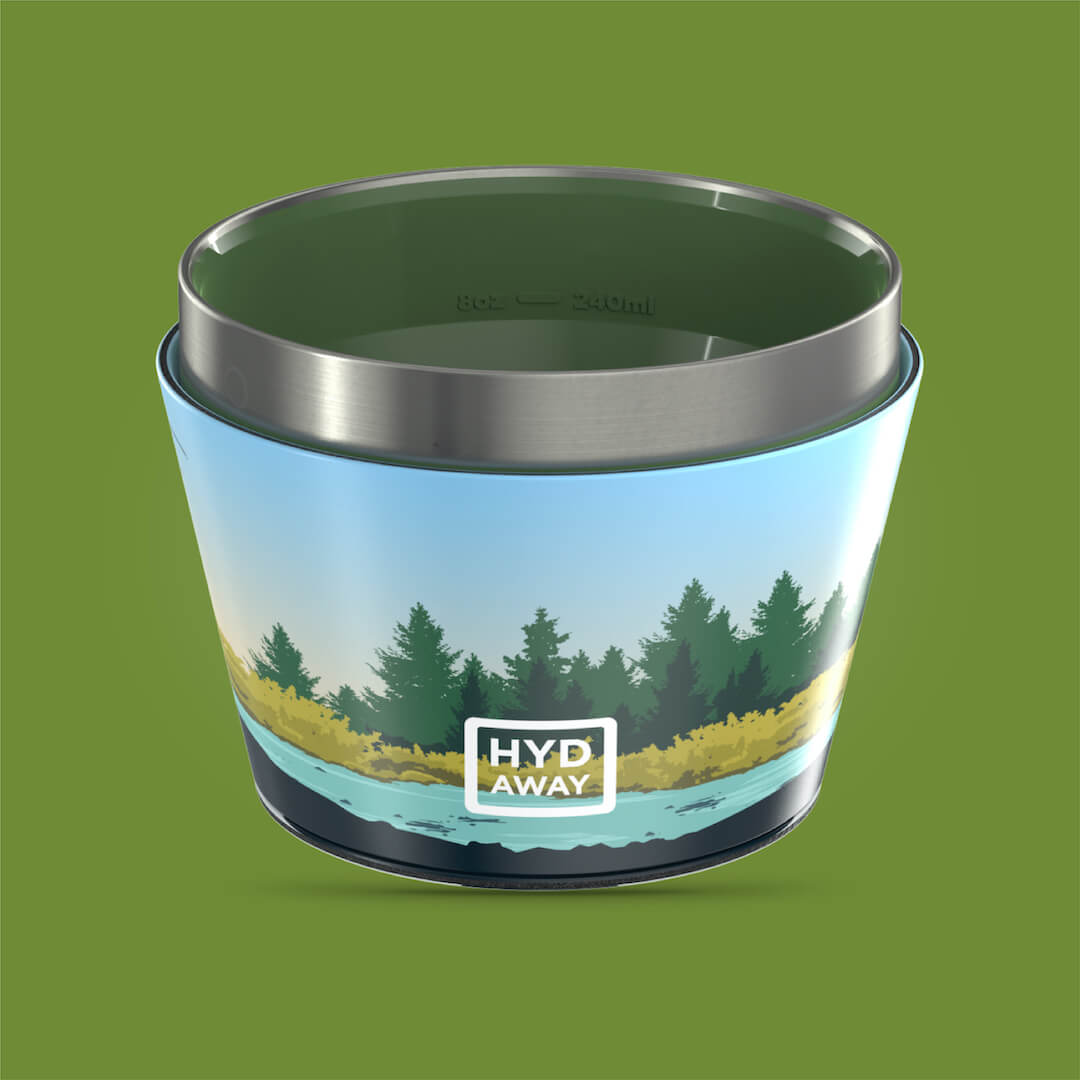
- Spill-Proof Insulated Bowls: Perfect for packing snacks for the plane without worrying about a mess, or for avoiding carrying a bulky, empty container for the rest of your trip. After you've eaten your oatmeal or fruit, it collapses flat, saving space in your daypack.
- A "Carry Less, Do More" Philosophy: Ultimately, HYDAWAY gear supports an efficient travel mindset. Every product gives you full functionality when you need it and gets out of the way when you don’t. It's all about helping you master the art of carry-on only travel.
Ready to eliminate empty-space bulk and travel lighter than ever? The innovative gear from HYDAWAY is designed for smart travelers who value space, convenience, and sustainability. Explore the full collection of collapsible, ultra-portable gear and transform how you pack.