


Backpack Rain Cover: A Traveler's Guide to Staying Dry

You leave your lodging under a gray sky, figuring you'll beat the weather. Then the rain starts for real. Not a polite drizzle. The kind that soaks shoulder straps, runs down zippers, and turns a comfortable day into gear triage.
If your pack is carrying a laptop, camera, shell layer, snacks, passport, or a dry shirt for later, a backpack rain cover is one of the simplest pieces of insurance you can bring. It's small, reusable, and fast to deploy. For travelers who care about space, that matters almost as much as weather protection. If a piece of gear is bulky, you eventually stop carrying it.
I'm based in Bend, Oregon, where a day can swing from dry trail dust to cold rain without much warning. In practice, a backpack rain cover earns its keep well beyond alpine hikes. It helps on city commutes, airport transfers, bike rides to a co-working spot, and roadside stops when your pack ends up on wet ground. The trick is knowing what it can do, and what it can't.
Why Your Pack Needs a Raincoat
A backpack usually holds the gear you least want to get wet. Electronics. Insulating layers. Paper maps or notebooks. Food. The clean clothes you packed for the train ride, the cafe, or the hostel check-in. Once those items are damp, the problem spreads fast.
A backpack rain cover fixes the first part of that problem. It adds a lightweight outer shell that reduces rain penetration and abrasion. It also keeps trail mud, grit, and brush from grinding directly into your pack fabric. That's useful on a wet forest trail, but it's just as useful when your bag gets shoved under a bus seat or set down on a soaked sidewalk.
What matters is using it with the right expectations. A backpack rain cover is not a complete waterproofing system. Many covers shield the front of the pack but leave shoulder straps and hip belts exposed, and experienced backpackers commonly pair the cover with internal waterproof sacks or a pack liner, as noted in SectionHiker's rain cover comparison.
A rain cover protects the outside of the pack. A liner protects what actually matters inside it.
That's why I treat a cover as the fast outer layer, not the whole system. If I'm carrying electronics or spare layers, I still want the vulnerable items separated inside.
For travel, that layered approach works especially well with compact, reusable gear. A weather-resistant daypack handles light mist on its own, but a serious downpour calls for more. If you already use a packable setup, it makes sense to pair it with internal organization like a waterproof dry bag system for valuables and spare clothes. That keeps your setup small without pretending one accessory can solve every wet-weather problem.
Decoding Materials and Waterproofing
The easiest way to think about a backpack rain cover is this. It's a rain jacket for your bag. Fabric matters, but construction matters just as much.
What the fabric is really doing
Most covers use lightweight synthetic fabric such as nylon or polyester. Some versions lean toward more durable builds. Others focus on lower weight and smaller packed size. Ripstop fabrics are common because they help stop a small nick from spreading into a larger tear.
Silicone-treated fabrics have become popular in lighter designs. In one comparative gear discussion, a silicone rain cover weighed 114 g while a nylon version weighed 254 g, which was about a 55% reduction in weight, according to Dan Carr's comparison of nylon and silicone backpack rain covers. That kind of shift explains why so many modern covers feel less like clunky add-ons and more like something you'll carry.

Why coatings alone don't solve the problem
Shoppers often focus on the fabric coating first. That makes sense. PU and silicone coatings help create the water barrier. Some covers also advertise a waterproof rating. One way to interpret that is simple: the higher the rating, the better the fabric is built to resist water pressure before it starts pushing through.
But don't stop there.
A backpack rain cover's real-world water resistance depends on construction details too. A fully sealed design that effectively eliminates needle holes as leakage paths, and a cinched shock-cord or drawstring helps seal the perimeter so wind-driven rain doesn't blow in from the bottom edge, as explained in this rain cover construction walkthrough on YouTube.
Practical rule: Waterproof fabric with unsealed seams can still fail in a hard downpour.
That's the mistake many travelers make. They buy based on fabric claims, then discover the weak point is the stitching.
What to check before you buy
Look at the cover like a system, not a label.
- Fabric first: Choose a synthetic shell that feels durable enough for the way you travel. Trail use and bus luggage bins are harder on gear than airport-only trips.
- Seams next: If the seams aren't sealed well, the fabric's coating won't save you in sustained rain.
- Edge security matters: Elastic alone can work on calm days. A shock-cord or drawstring usually gives a more reliable seal in wind.
- Packed size counts: The lighter and smaller the cover, the more likely you'll keep it with you instead of leaving it behind.
For eco-minded travelers, reusability matters here too. A durable cover that you keep for years is better than improvising with disposable plastic every time the forecast turns ugly.
Finding the Perfect Fit and Style
You pull a rain cover over your pack in a parking lot outside Smith Rock, then a gust comes through and one corner pops free before you even hit the trail. That usually comes down to fit. A cover that matches the exact shape of your packed bag stays put, sheds water better, and is far less annoying to live with.

Match the cover to your pack volume
Start with your pack's stated capacity, then adjust for how you travel. Covers are usually sold by liter range, and that works well as a starting point, but loaded shape matters just as much as the number on the tag.
A slim commuter pack and a round, overstuffed daypack can both be labeled the same size. They will not wear the same cover equally well. If you often jam in a rain shell, snacks, a camera cube, and a water bottle right before heading out, buy for that loaded profile. Space-conscious travelers know this problem well. The smallest pack in your luggage can become the bulkiest item once it is full for the day.
That trade-off matters for packability too. An oversized cover may seem safer, but extra fabric flaps in wind, collects water, and takes up more room in your kit. A right-sized cover is easier to stash, easier to dry, and more likely to get reused trip after trip instead of forgotten in a drawer.
The HYDAWAY Collapsible Backpack is a good example. It opens into a 15-liter daypack and uses weather-resistant materials that can handle light rain on their own. Add a cover if you expect steady rain or you're carrying electronics, and size it for the backpack when fully packed, not when folded down in your suitcase.
Integrated or separate
Integrated covers live in a pocket on the backpack. Separate covers are standalone accessories you can swap between bags.
Integrated designs win on convenience. You are less likely to leave them behind, which counts for a lot on fast-moving trips. The downside is flexibility. If the built-in cover fits poorly, wears out, or adds bulk you would rather avoid, your options are limited.
Separate covers suit travelers who rotate between packs or care about keeping every item as compact as possible. You can choose a lighter cover for city travel, a tougher one for rough trail use, or skip carrying one at all on dry-weather days. From a sustainability angle, a separate cover can also outlast the bag it started with and keep serving on your next pack.
A quick fit demo helps:
What a secure fit looks like
Check the fit before you leave the trailhead, train platform, or hostel door.
- Full front coverage: The cover should wrap the main body of the pack, including side bulges and outer pockets that stick out.
- Tight edge tension: Cinch the perimeter so the cover grips the bag instead of hanging loose underneath.
- Minimal extra fabric: Slack fabric catches wind and shifts around when you walk or ride.
- Comfortable carry: Shoulder straps and back panel should still sit naturally, without the cover tugging out of place.
One more style note. Bright colors make sense for bike commuting, roadside walking, and gray shoulder-season travel in the Pacific Northwest. Neutral colors pack into a travel wardrobe more discreetly and tend to show dirt less. Neither choice is wrong. Pick the one you will carry and reuse. That is usually the better buy than a heavier cover with features you do not need.
Use Cases for Every Modern Traveler
A backpack rain cover sounds like hiking gear until you start traveling with one. Then it becomes one of those pieces you reach for in all kinds of places.
The remote worker in monsoon weather
A digital nomad heading to a co-working space has a different risk profile than a weekend hiker. The pack might hold a laptop, charger, notebook, headphones, and one clean shirt for later. A short walk through heavy rain can be enough to soak the bag exterior and leave the contents damp by the time the meeting starts.
In that setup, the cover buys time and reduces saturation. It also keeps the outside of the pack from becoming a dripping mess once you're indoors.
If your day depends on electronics staying dry, treat the rain cover as the first line of defense, not the only one.
The commuter who's tired of soggy gear
City use is where a backpack rain cover proves it isn't niche. Think bike commute, train platform, or a walk from parking garage to office while the sky unloads. The cover goes on quickly, then comes off and stuffs away without leaving you juggling a wet jacket and a wet bag at the same time.

Bright colors can help in traffic. Dark covers look sleek, but low-light visibility is a real concern when you're crossing streets or riding in rain.
The road tripper and van-lifer
On the road, a cover does more than block rain. It helps shield a pack from morning dew, roadside dust, and wet ground. If your backpack sits outside the van for part of the evening, the cover prevents the outer fabric from collecting grime you later drag inside.
In this instance, reusability matters most. Instead of wrapping a bag in disposable plastic or constantly wiping it down, you use one cover repeatedly and clean it when needed.
A few practical travel uses people overlook:
- Hostel storage: A cover keeps the outside of your pack cleaner when it's shoved under a bunk or luggage rack.
- Boat transfers or open-air transport: It adds a sacrificial layer against spray and grime.
- Dusty roads: It works as a basic dust shield when your pack rides in the back of a vehicle.
- Crowded transit: A plain cover can make exterior pockets less obvious and reduce casual snagging on handles or rails.
The small packed size is what makes all of that realistic. If it disappears into a side pocket, it earns a permanent place in the kit.
How to Pack and Care for Your Rain Cover
A backpack rain cover only works if you can grab it fast. That means it shouldn't live at the bottom of your bag under spare socks and charging cables.
Pack it where your hands land first
Store the cover in an outer pocket, a top lid pocket, or right at the top of the main compartment. If the forecast looks mixed, move it to the easiest-access spot before you leave. That habit matters more than any technical feature.
A simple packing routine helps. Put your rain cover where you'd store the item you need in the next thirty seconds, not the next three hours. If you're refining your setup, this guide on how to pack a backpack with quick-access logic is a useful companion.
Keep it clean enough to keep working
Mud, grit, sunscreen, and city grime all shorten the useful life of coatings and elastic. After a wet trip, shake off debris, rinse if needed, and let the cover dry fully before stuffing it away. Don't trap it damp inside your pack.
Dirty covers don't just look rough. Ground-in grit can wear the fabric and stress the seams faster.
Watch for the signs that the outer treatment is fading. If water stops beading and the face fabric starts wetting out quickly, it may be time to refresh the finish if the manufacturer allows it. Also check the edge cord or elastic. A cover that no longer grips the pack securely won't stay positioned when the wind picks up.
For a space-conscious traveler, care is part of sustainability. The longer one cover lasts, the fewer replacement purchases and improvised throwaway fixes you need.
Your Buying Checklist for Smart Travel
You feel the first cold drops halfway to the trailhead or three blocks from the train. That's when a rain cover proves its value. The right one disappears in your bag, goes on fast, and earns its space trip after trip instead of becoming one more forgotten accessory.
For travelers who watch every ounce and every cubic inch, the best cover is the one you will keep carrying. Packability matters as much as weather protection. Reusability matters too. A cover that survives repeated stuffing, drying, and dirty travel days keeps disposable fixes and replacement purchases out of the equation.

Use this checklist before you buy:
- Match the cover to your loaded pack: A 25-liter daypack packed for a city walk fits differently than the same bag stuffed for an overnight.
- Check the packed size, not just the trail weight: A light cover that stuffs into a compact pouch is easier to keep in your kit every day.
- Inspect seam protection: Face fabric matters, but weak seams are often where extended rain gets through first.
- Choose a retention system that stays put: Elastic alone can work on calm commutes. For windy viewpoints, bike travel, or uneven trails, a drawcord or better-shaped edge holds more securely.
- Buy for your real use case: Airport transfers, wet bus stops, alpine day hikes, and hostel travel all wear gear in different ways.
- Pick something you can use for years: Durable fabric, easy cleaning, and replaceable value beat a cheap cover that loses shape after one season.
- Leave room for a liner or dry bag strategy: A rain cover handles exterior exposure. Internal protection still matters for electronics, documents, and insulation layers.
Smart travel usually comes down to systems, not single pieces of gear. A compact cover, sensible internal organization, and a packing routine you can repeat without thinking will serve you better than chasing one feature on a product tag. If your goal is to cut bulk without giving up useful gear, this guide on how to travel lighter with compact essentials is a practical next read.
I'd rather carry one small cover that I trust than a cheaper one I keep replacing. That approach saves space, reduces waste, and makes more sense for travelers who want gear to last.
A backpack rain cover is quiet gear. It does its job, stuffs away small, and keeps a wet day from soaking the rest of your trip.
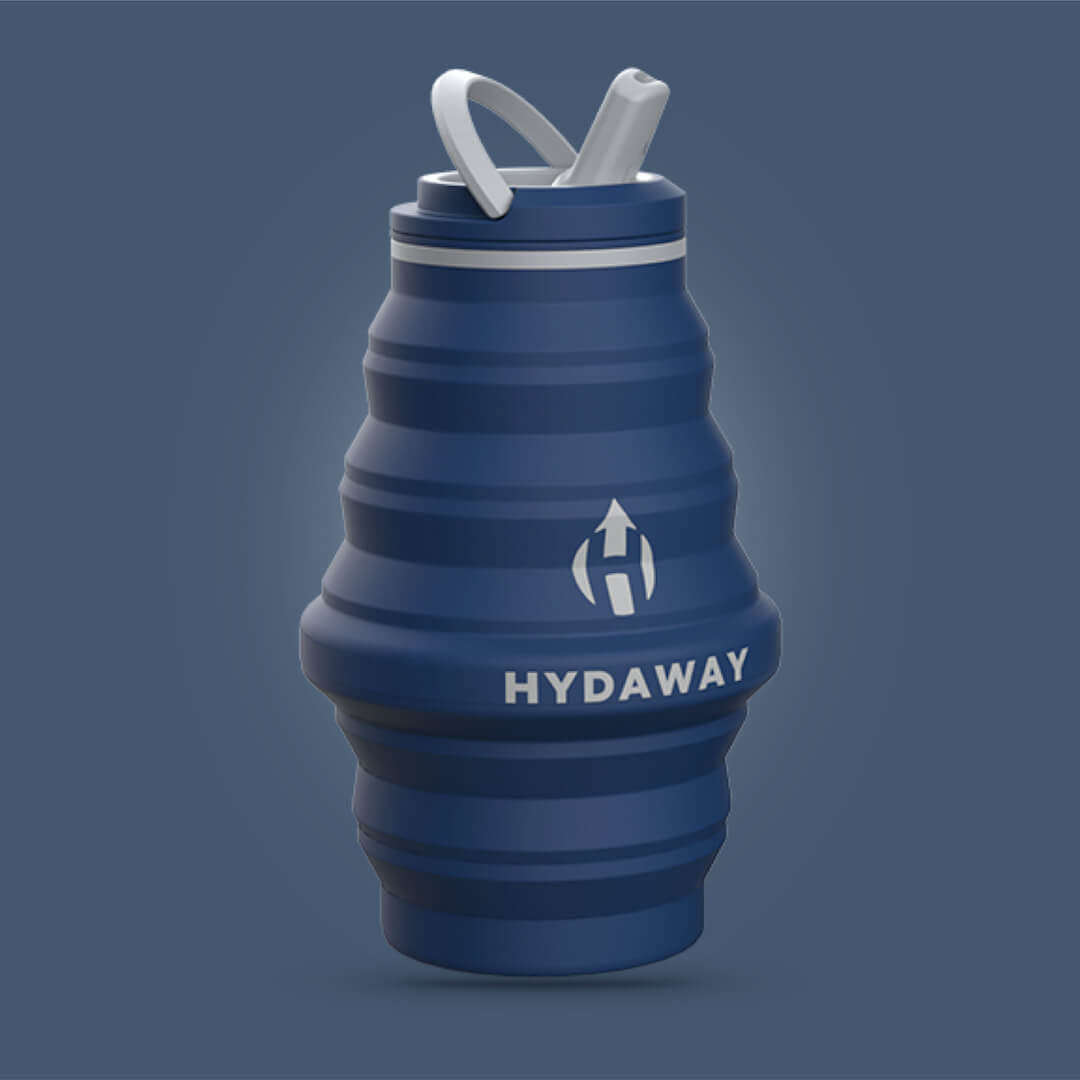
If you like gear that solves real travel problems without taking over your bag, take a look at HYDAWAY. Their compact approach to reusable travel gear fits travelers who want to stay light, stay organized, and stay ready for changing conditions without packing a pile of single-purpose extras.