


Alternative to Plastic: Top Substitutes for Everyday Life

Deciding on the best alternative to plastic really comes down to what you need it for. But some clear winners have emerged: durable stainless steel, clean-tasting glass, and super-versatile food-grade silicone are some of the most popular choices. Making the switch from throwaway items to these reusables is one of the most practical and impactful ways you can cut down on waste in your daily life.
Why We Need Plastic Alternatives Now
The whole conversation around plastic pollution has shifted. It’s no longer some far-off problem; it’s a daily reality. We see it stuffing our trash cans, blowing down city streets, and littering otherwise beautiful landscapes. The issue isn't just what we can see, either. The scale of the problem is staggering, and it's growing faster than we can keep up.
This isn't just an abstract concept. You just have to look at something like the Great Pacific Garbage Patch to see how intensely concentrated this plastic waste has become in our oceans.

That massive, swirling island of trash drives home the urgent need for a real change in how we buy and use things. It’s part of a much bigger global push toward sustainability that goes beyond just plastics, touching everything from the rise of eco-friendly vehicles to how we power our homes. People everywhere are demanding more environmentally conscious choices.
The Soaring Scale of Plastic Production
At its heart, the problem is our deep-seated reliance on disposable items. Packaging is the biggest offender, making up the largest slice of the plastic-consuming pie. And the numbers are pretty grim. Projections show that if we stay on our current path, primary plastic production is set to jump by 52% between 2025 and 2040.
This runaway growth will keep feeding the pollution crisis unless we fundamentally rethink our relationship with "stuff." If you want to dive deeper into the data, a report from The Pew Charitable Trusts called Breaking the Plastic Wave lays it all out.
This is exactly why getting a handle on what are single-use plastics is the first, crucial step toward making a real difference.
https://shop.myhydaway.com/blogs/news/what-are-single-use-plastics
The goal isn't just about finding a one-to-one replacement for every plastic item. It's about embracing a mindset of reuse, durability, and conscious consumption that benefits both our lives and the planet.
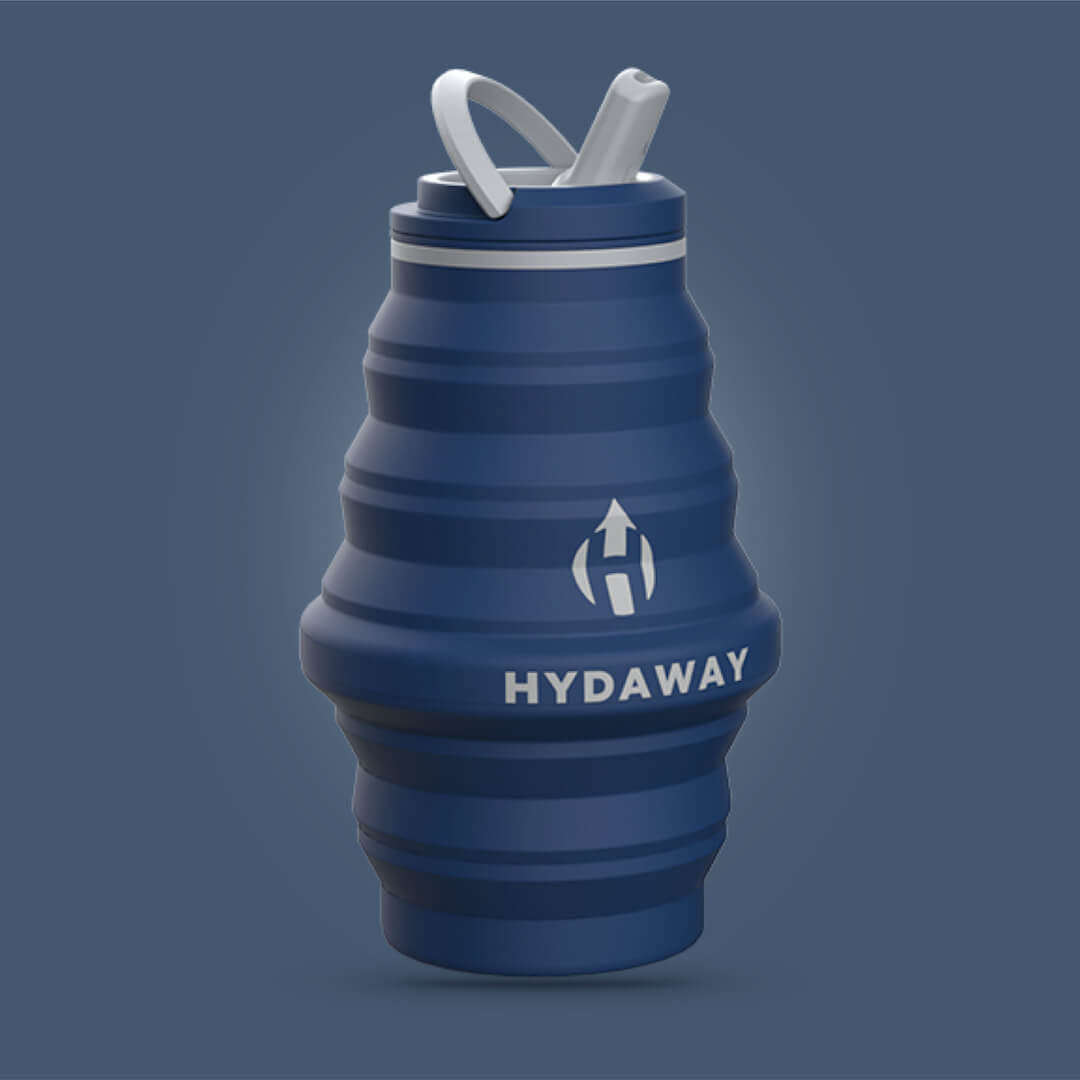
The good news? Making this shift is easier than ever. Brands like HYDAWAY are making sustainability incredibly convenient with brilliant collapsible, space-saving gear. Imagine swapping that bulky plastic water bottle for a sleek HYDAWAY bottle that folds down to fit right in your pocket after you’re done. For a parent heading to a soccer game, this means one less bulky item to juggle. For a traveler, it's a simple way to stay hydrated and save luggage space. This isn't about sacrifice; it's about upgrading to smarter solutions.
Exploring Classic Reusable Plastic Alternatives
When you start looking for alternatives to single-use plastics, you’ll find the most reliable, time-tested options are often the simplest. Materials like stainless steel, glass, and food-grade silicone have become the go-to choices for a reason—they’re durable, safe, and built to last. Ditching the throwaway culture really starts with embracing things you can use over and over again.
Choosing one of these materials is a fundamental shift in mindset. Instead of grabbing something designed for a single use, you're investing in a product that can serve you for years. Each one brings its own unique strengths to the table, making them perfect for different parts of your daily routine, from your morning coffee to your weekend adventures.
The Unbreakable Champion: Stainless Steel
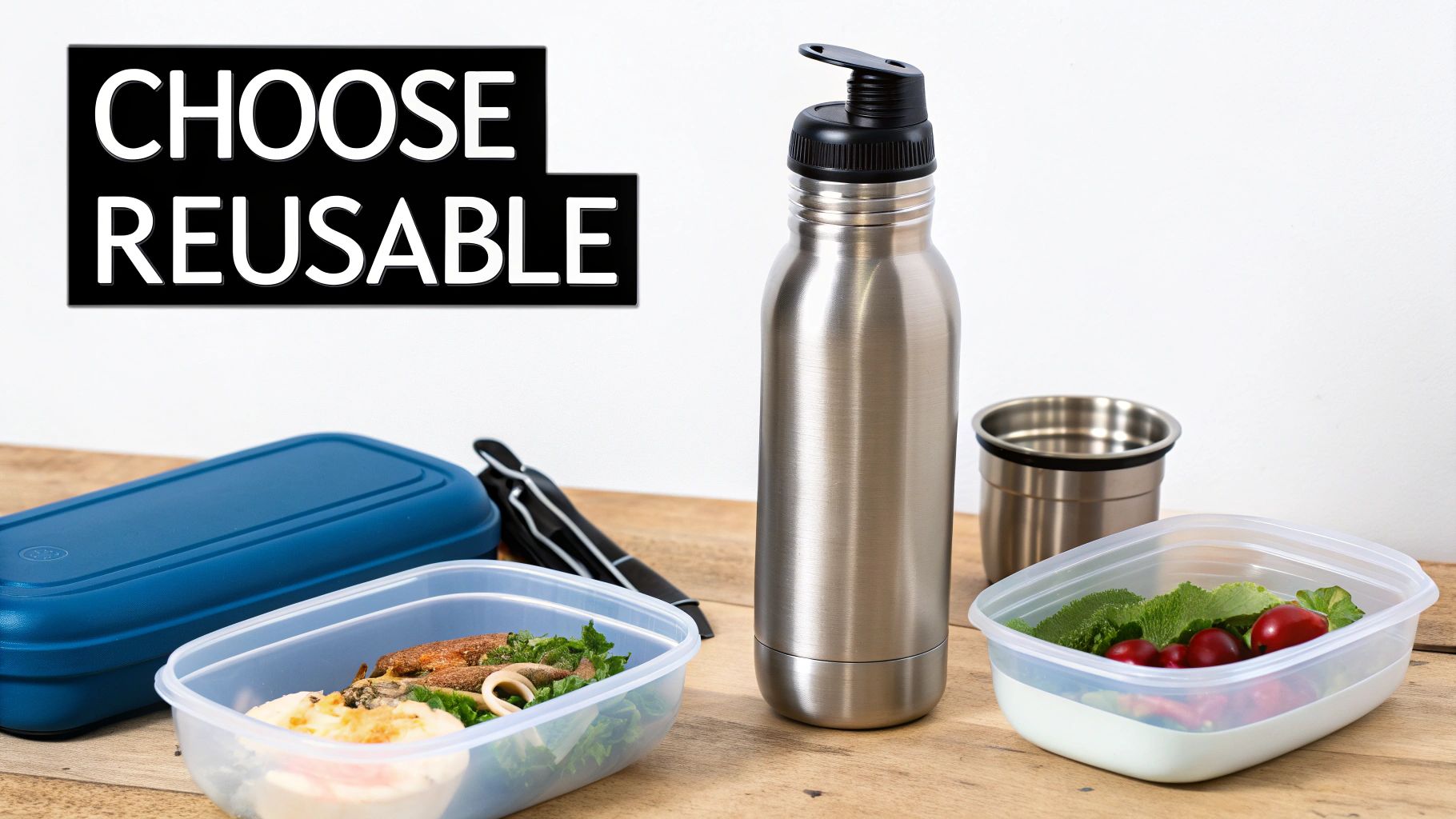
Stainless steel is the rugged workhorse of the reusable world. Think of it as the ultimate companion for an active, on-the-go lifestyle. Its biggest advantage is sheer durability; you can drop it, toss it in a backpack, or take it camping without a second thought. This makes it a fantastic choice for water bottles and travel mugs that need to withstand a bit of rough handling.
Better yet, stainless steel is non-reactive, which means it won’t leach chemicals or hang onto the taste of yesterday's iced tea. Your water will always taste like, well, water. Many steel products also come with double-wall vacuum insulation, keeping your coffee hot and your water cold for hours—a feature single-use plastic could only dream of. For a deeper dive, check out all the amazing reusable water bottle benefits that make it such a smart swap.
The main trade-off? Weight. A stainless steel container is noticeably heavier than a plastic one, which is something to consider if you're an ultralight backpacker or just trying to lighten your load.
The Pure and Simple Choice: Glass
Glass is prized for one main reason: its purity. It’s completely inert, so there’s zero risk of it altering the taste of your food or drinks. This makes it an excellent alternative to plastic for food storage containers, especially for acidic things like tomato sauce that can stain or pull flavors into plastic.
Another perk is transparency. You can easily see what’s inside without popping the lid—a small but surprisingly helpful convenience in a busy kitchen. Plus, glass is endlessly recyclable without ever losing its quality.
The primary drawback of glass is its fragility. While modern tempered glass is tougher than you might think, it can still break if dropped, making it less ideal for travel, camping, or for use by young children. It’s really at its best for home use, meal prep, and taking lunch to the office where it’s less likely to take a tumble.
The Flexible Innovator: Food-Grade Silicone
Food-grade silicone bridges the gap between the rigidity of steel and the fragility of glass. It’s a synthetic polymer made from silica (which comes from sand), creating a durable and flexible alternative to plastic. It’s lightweight, shatterproof, and can handle both hot and cold temperatures, so you can safely pop it in the freezer, microwave, or dishwasher.
This versatility is where silicone truly shines. But its real magic is in its potential for smart, space-saving designs. This is where HYDAWAY products completely change the game for reusables.
- Ultimate Portability: Let’s face it, traditional reusable bottles are bulky and annoying to carry once they're empty. A HYDAWAY bottle squashes down to a slim profile, easily fitting into a packed work bag or a minimalist's daypack. It solves the real-world problem of what to do with an empty bottle.
- Lifestyle Integration: For a concert-goer, an empty HYDAWAY bottle fits in a pocket, complying with venue rules without the waste. For a traveler, it’s all about maximizing every inch of luggage room for souvenirs, not empty plastic.
- Family-Friendly: Because it’s unbreakable and lightweight, silicone is a perfect choice for kids. HYDAWAY's gear gives families a durable, safe option for park outings, road trips, and school lunches without the worry of shattered glass or heavy steel.
By solving the problem of bulkiness, HYDAWAY makes choosing a reusable option not just an eco-conscious decision, but a genuinely convenient one.
Understanding Plant-Based and Compostable Options
While reusable gear is always the best choice, let's be realistic—sometimes disposables are just unavoidable. Think big backyard parties or grabbing a last-minute takeout meal. This is where plant-based materials like bamboo, paper, and bioplastics come in, looking like a much greener choice than plastic.
But the story here is a little more complicated than it seems. These materials often come with flashy labels like "biodegradable" or "compostable," but those words have some serious strings attached. To make a truly sustainable choice when reusables aren't an option, you have to read the fine print.
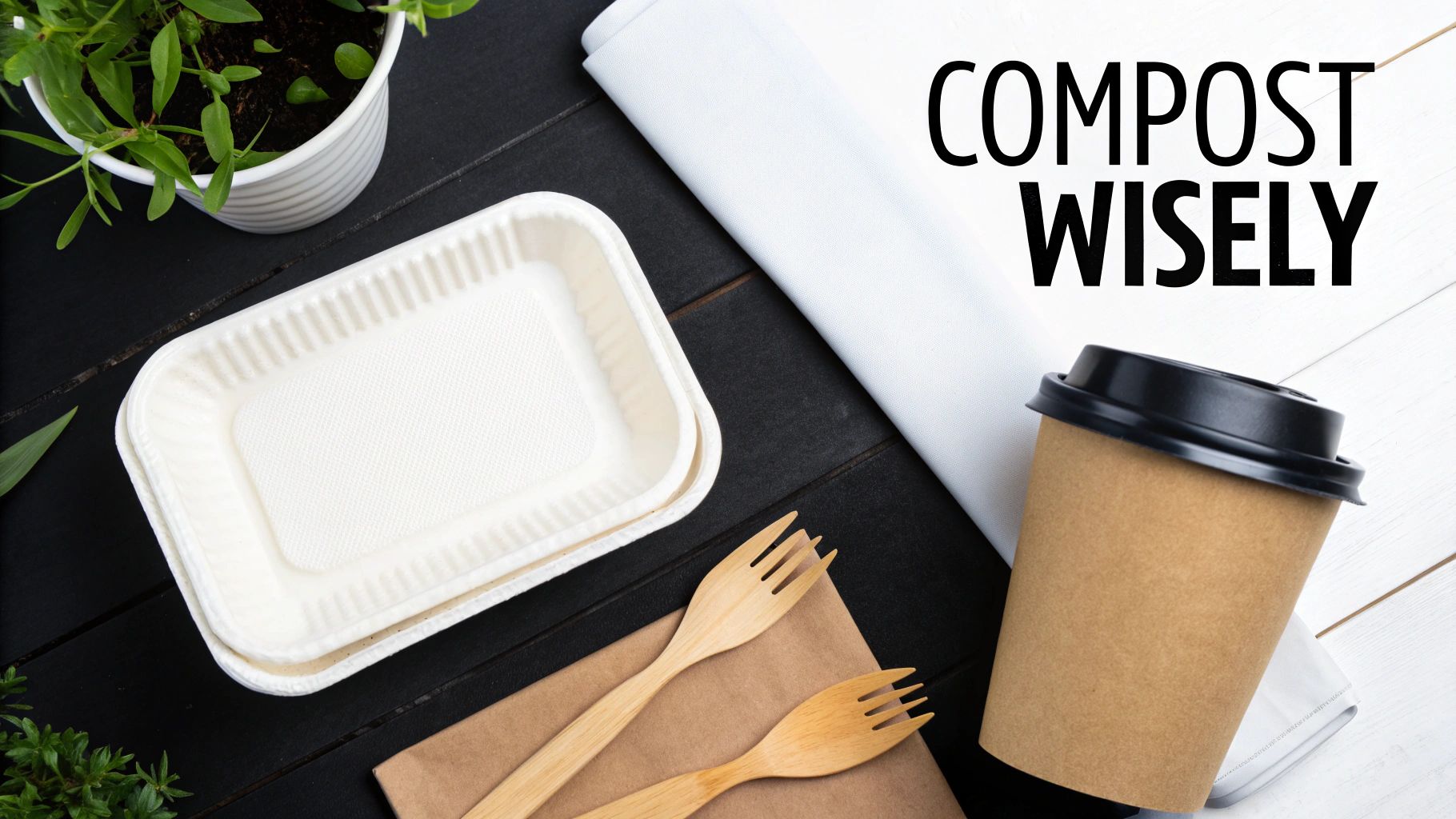
What Does "Compostable" Really Mean?
When you see something labeled "compostable," the first question you should ask is: where? Many bioplastics, like Polylactic Acid (PLA) made from corn starch, might look and feel just like regular plastic, but they need very specific conditions to break down.
Tossing a PLA cup into your backyard compost bin just isn't going to work. These materials require the intense, sustained heat of an industrial composting facility to properly decompose. Without one, they often just end up in a landfill, where they can act a lot like the traditional plastic they were meant to replace.
This is a huge hurdle. If your city doesn’t have industrial composting, those "eco-friendly" disposables can't actually live up to their promise. Before you stock up on compostable forks for your next cookout, it’s worth checking what your local waste management services can actually handle.
Bamboo, Paper, and Beyond
Beyond bioplastics, a few other plant-based materials have their own unique pros and cons.
- Bamboo: As a super fast-growing grass, bamboo is an incredibly renewable resource. It’s a popular pick for disposable plates, cutlery, and straws because it's sturdy and has a great natural look.
- Paper and Cardboard: These are the classics, especially for packaging. The key is to look for products made from recycled content or that are certified by the Forest Stewardship Council (FSC) to ensure they come from responsibly managed forests.
- Beeswax Wraps: This is a fantastic reusable alternative for covering bowls or wrapping up a sandwich. Made from cotton coated in beeswax, they can be washed and reused for up to a year. At the end of their life, they're fully compostable, making them one of many great sustainable kitchen products.
These materials are all solid stand-ins for plastic in many scenarios. Meanwhile, bioplastics made from feedstocks like sugarcane are driving huge growth in the market. In fact, the global plant-based plastic market is projected to hit $5.3 billion by 2035, with sugarcane-derived materials leading the charge.
While plant-based disposables have their place, the real goal is to cut down on single-use items altogether. That’s where truly reusable gear, designed to be convenient, makes the biggest difference. The clever, collapsible design of HYDAWAY products means you can always have a reusable option ready to go, sidestepping the need for a disposable cup or container in the first place.
Choosing the Right Alternative for Your Lifestyle
Knowing all the different materials is great, but the real magic happens when you find the perfect plastic alternative that actually fits into your life. The best reusable item isn't the most expensive or the trendiest—it’s the one you grab without thinking. Building your own sustainable toolkit is a personal journey, one that should match your unique routine, habits, and needs.
This means the ideal setup for a busy city commuter will look worlds apart from what a family needs for a weekend camping trip. When you match the material to the moment, switching away from single-use plastic feels less like a chore and more like a smart, practical upgrade to your everyday life.
For the Busy Commuter
If your day is a whirlwind of public transit, office meetings, and maybe a gym session, your priorities are convenience and portability. You need gear that works hard when you need it and disappears when you don't. Let's be real, nobody wants to lug around bulky, empty containers all day.
This is where collapsible design is an absolute game-changer. Imagine finishing your water on the train and, instead of carrying a clunky bottle, you just flatten your HYDAWAY 17oz bottle and slip it into your coat pocket. It’s all about maximizing space in your work bag for the things that really matter.
A commuter's essential toolkit might include:
- A Collapsible Water Bottle: A HYDAWAY bottle is the star player here. It's lightweight, leak-proof, and shrinks down to just over an inch thick when empty, making it the ultimate space-saver.
- A Silicone Snack Bag: Perfect for packing nuts, fruit, or a sandwich without the waste of a plastic baggie. It’s flexible, tough, and a breeze to clean.
- A Reusable Coffee Tumbler: Look for a slim, insulated model that fits in standard cup holders. So many cafes now offer a discount for bringing your own cup, so it’ll pay for itself in no time.
For the Adventurous Traveler
Travelers, whether they're jet-setting across continents or exploring national parks, live by one mantra: pack light, be prepared. Every single item in your luggage or backpack has to earn its spot. Durability and low weight are completely non-negotiable.
Glass is way too fragile and heavy for the road, and standard steel bottles are often too bulky. The perfect travel gear is tough enough for the trail but compact enough for a carry-on. A HYDAWAY 25oz bottle gives you plenty of hydration for a day of sightseeing and then collapses down to save precious luggage space for the flight home.
For travelers, reusable gear isn't just about sustainability—it’s about self-sufficiency. Having your own bottle and container means you can refill water at airports and pack snacks for long journeys, saving money and reducing your reliance on whatever disposable options you happen to find.
Key items for a traveler's pack include:
- A High-Capacity Collapsible Bottle: The larger HYDAWAY bottle ensures you stay hydrated on long hikes or travel days without taking up a bunch of room.
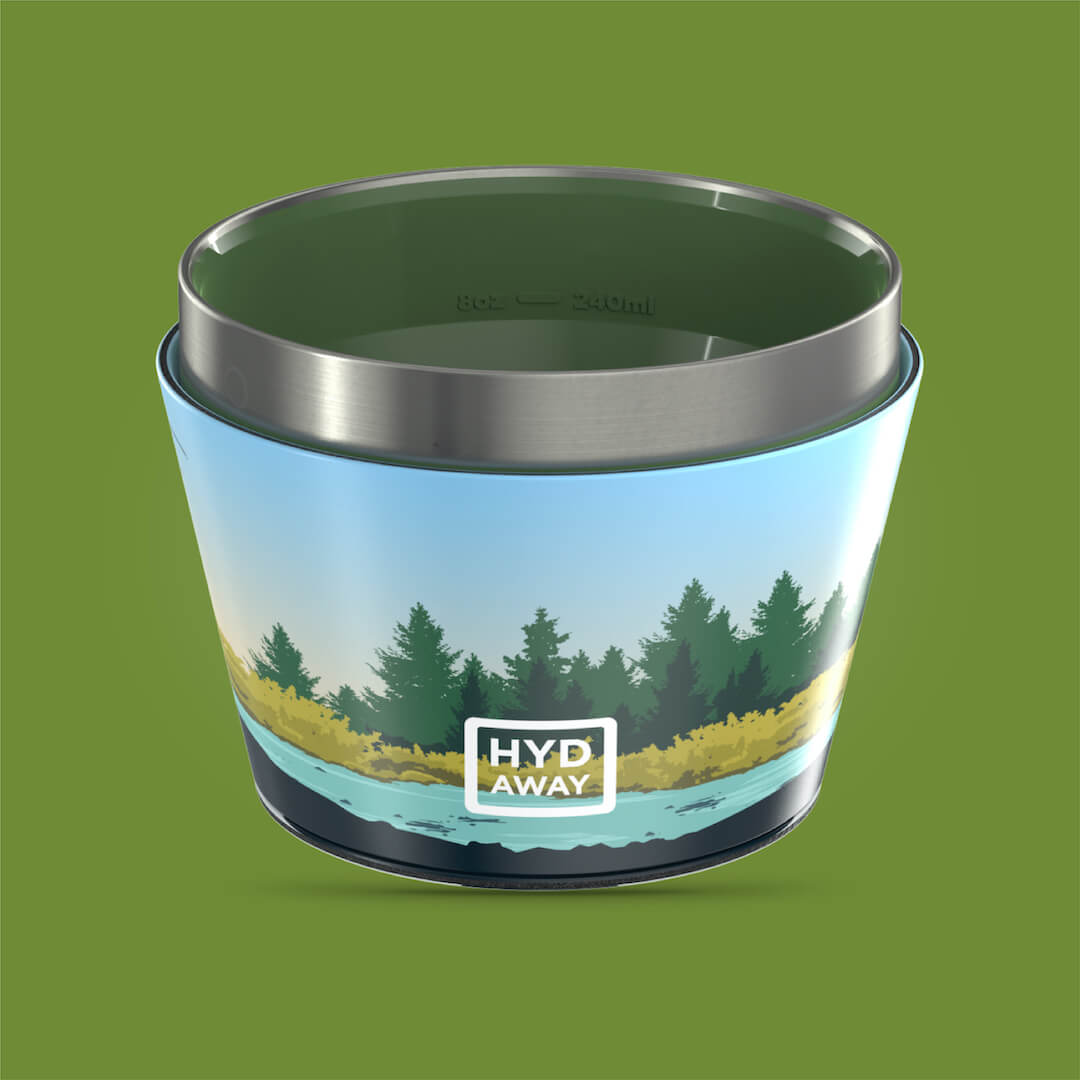
- A Collapsible Bowl: The HYDAWAY Adventure Bowl is perfect for everything from campsite oatmeal to hotel room takeout, and its spill-proof lid keeps food secure on the move.
- Compact Utensils: A lightweight bamboo or titanium utensil set is a must-have for avoiding those flimsy plastic forks you find everywhere.
For Parents and Families
For families with young kids, the priorities shift completely. Now it's all about safety, durability, and easy cleaning. You need products that can handle being dropped, thrown, and generally abused by little hands. This is where food-grade silicone really shines.
Silicone is totally shatterproof, making it a much safer choice than glass for kids' plates and cups. It's also super lightweight, so it won’t weigh down a diaper bag. A HYDAWAY Camp Bowl is perfect for park picnics or snacks on the go, and since it’s dishwasher safe, cleanup is a breeze after a long day. You get the peace of mind of a non-toxic material without ever having to worry about breakage.
Your Simple Plan to Start Reducing Plastic
Feeling inspired to find an alternative to plastic but a little paralyzed by where to begin? Don't sweat it. The goal isn't to achieve a zero-waste lifestyle overnight. It’s all about making small, sustainable changes that actually stick.
Instead of trying to overhaul your entire life at once, just start by focusing on your biggest plastic habits. Think about your daily routine—where does single-use plastic show up the most? Is it that morning coffee cup, the afternoon bottled water, or the plastic utensils that come with your takeout lunch?
Identify and Swap One Thing
Once you've zeroed in on your top plastic culprits, pick just one to tackle first. This approach keeps the transition totally manageable and stops you from feeling overwhelmed.
- Daily Coffee Run: If you're a daily coffee buyer, your first and easiest swap is a reusable tumbler. A lot of coffee shops will even give you a small discount for bringing your own cup. Win-win.
- Afternoon Hydration: Constantly reaching for a bottled water? A reusable bottle is probably the simplest and most impactful switch you can possibly make.
- Lunchtime Waste: If you often get takeout for lunch, you can start by simply keeping a set of reusable utensils at your desk.
The key is to start with a single, high-impact change that feels easy to maintain. Celebrating that small win builds momentum, making it so much easier to tackle the next habit on your list. Real progress comes from consistency, not perfection.
Build Your On-the-Go Kit
Honestly, the most effective way to dodge single-use plastic is just to be prepared. Putting together a simple "on-the-go" kit with a few key essentials ensures you always have a reusable option handy. You really don’t need much to get started.
Your kit could include:
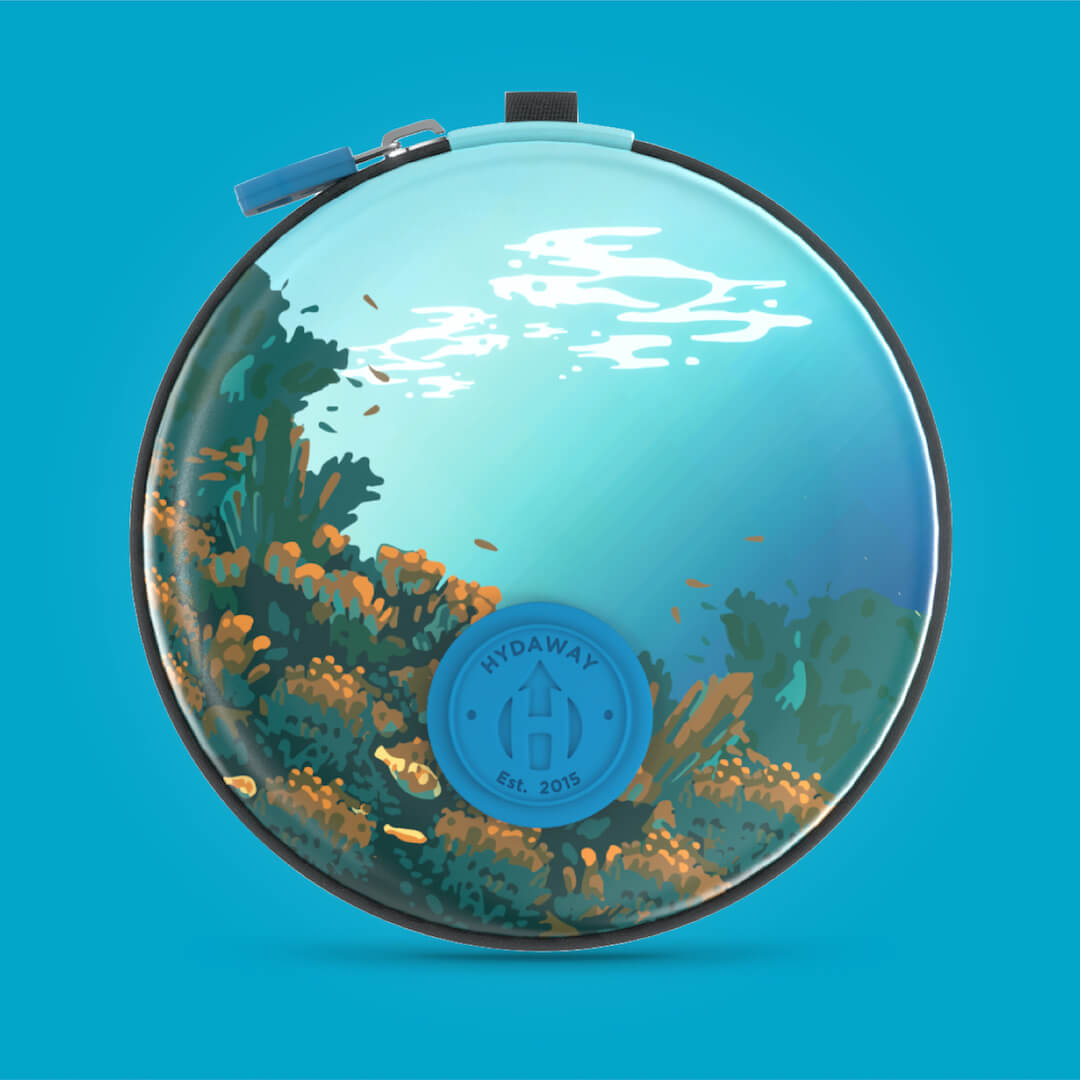
- A Collapsible Water Bottle: This is the cornerstone of any good kit. A HYDAWAY bottle is perfect because it gives you plenty of hydration when full but collapses down to a tiny disc when empty. It'll fit easily into any bag or even a pocket.
- Reusable Utensils: A compact set of bamboo or stainless steel utensils can eliminate countless plastic forks and spoons from your life.
- A Reusable Bag: Keep a foldable tote bag stashed away for those unexpected grocery runs or purchases.
This simple decision tree can help you figure out the right gear for your specific lifestyle.
This visual helps match specific reusable items to different needs, showing how a collapsible bottle is ideal for a commuter while a traveler might need a more comprehensive kit. When you build your kit around your actual daily activities, you make choosing an alternative to plastic the most convenient option available.
A Few Common Questions About Plastic Alternatives
Making the switch to a more reusable lifestyle can feel like a big leap, and it's totally normal to have a few questions. From costs to cleaning, let's clear up some of the common concerns that might be holding you back from finding the right alternative to plastic. Getting some straightforward answers is the best way to move forward with confidence.
Are Plastic Alternatives Actually Better for the Environment?
Yes, but there’s a catch: you have to actually reuse them. It’s true that materials like stainless steel, glass, and food-grade silicone take more energy to produce than a flimsy single-use plastic item. But their environmental footprint shrinks dramatically with every single use.
Think about it—a reusable bottle you use hundreds of times easily beats the environmental cost of buying and tossing hundreds of disposable ones. The real goal is to break that throwaway cycle. And while things like bioplastics sound good, their benefit often depends on access to industrial composting facilities, which aren't available everywhere. That’s why durable, long-lasting reusables are almost always the better choice.
The most sustainable product is the one you use over and over again. Shifting from a disposable mindset to a reusable one is where the real environmental win happens.
Is It Expensive to Switch to Plastic-Free Products?
There's an upfront cost, for sure, but it absolutely pays for itself over time. A single high-quality reusable bottle might cost more than one plastic bottle from the convenience store, but it replaces the hundreds you might buy over the course of a year. The long-term savings on daily items like coffee, water, and snacks can really add up.
You don't need to replace everything at once, either. The best way to start is by picking just one thing you use every single day.
- Your daily water: A HYDAWAY bottle is a perfect first step. Its collapsible design makes it incredibly convenient to carry, so you'll actually have it with you when you need it.
- Your morning coffee: A reusable tumbler can save you money, as many coffee shops offer a small discount for bringing your own cup.
- Your packed lunch: Swapping plastic baggies for a silicone container or a beeswax wrap is another easy, affordable change that makes a big difference.
How Do I Clean and Care for Reusable Items?
It’s way simpler than you might think. Most reusable products are designed for modern life, which means they're incredibly easy to care for. High-quality stainless steel and glass items are almost always dishwasher safe.
The food-grade silicone we use in HYDAWAY products is also non-porous and dishwasher safe, making cleanup effortless after a long day of travel or commuting. For other items like bamboo utensils, a quick hand wash helps them last longer. Just check the manufacturer's instructions, but for most of your daily-use products, a simple wash is all that's needed to keep them ready for your next adventure.
Ready to make your first easy swap? HYDAWAY makes it simple with gear that’s as convenient as it is sustainable. Explore the full collection of collapsible, space-saving bottles, bowls, and tumblers at our online shop.