

1 Gallon Beverage Dispenser: 2026 Buying Guide

You're probably here because you need drinks handled without turning your day into a refill job. Maybe it's a backyard cookout. Maybe it's a campsite table covered in sandwiches, bug spray, and coffee gear. Maybe it's a family road trip where everyone wants something cold, but nobody wants to dig through a cooler for the tenth time.
That's where a 1 gallon beverage dispenser starts to make sense. It gives people one place to pour, one container to refill, and one setup that looks a lot better than a pile of half-crushed bottles. But it's not automatically the right answer for every kind of travel, every kitchen, or every adventure. Sometimes the classic dispenser is exactly what you want. Sometimes it's the thing that eats your shelf space and annoys you all weekend.
The Secret to Effortless Group Hydration
I've learned this the hard way at campsites and rental cabins. The moment a group settles in, drinks become logistics. One person wants iced tea. Another wants lemon water. Kids want juice. Somebody's balancing a bag of ice on top of lunch meat in the cooler, and the “simple” plan turns into chaos.
A 1 gallon beverage dispenser fixes that fast when everyone is staying put. Fill it once, set it on a table, and people serve themselves. No passing pitchers. No opening and closing the cooler every few minutes. No clutter of single-serve bottles rolling under camp chairs.
Why this format keeps showing up
There's a reason these containers aren't fading away. The global beverage dispenser market is projected to grow from USD 17.8 billion in 2026 to USD 31.9 billion by 2036, and small-capacity dispensers under 1.32 gallons serve strong demand for home entertaining and portable serving, according to Future Market Insights on the beverage dispenser market.
That lines up with what people do. They want one container big enough for a group, but not so huge that it becomes commercial equipment.
Practical rule: If the drinks stay in one place and the people come to them, a 1 gallon beverage dispenser usually earns its spot.
For larger events or temporary setups where you don't want to buy gear outright, it also helps to look at options like ABC Hire water dispenser services. That's a useful route when you need hydration handled for a function, job site, or short-term gathering without storing extra equipment afterward.
Where it shines
A good setup works especially well in situations like these:
- Backyard hosting: Lemonade, tea, or fruit water stays visible and easy to grab.
- Base camp weekends: One central drink station beats everyone rummaging through bags.
- Holiday tables: A dispenser clears pressure off your kitchen and keeps guests moving.
- Small office or studio use: One refill point is cleaner than a scatter of cups and bottles.
The catch is simple. A dispenser is excellent when your day has a home base. It's a lot less clever when your plan involves movement.
Understanding the 1 Gallon Beverage Dispenser
You get back to camp after a long hike, set one drink station on the table, and everyone handles their own refill without tearing through coolers and bags. That is where a 1 gallon beverage dispenser earns its keep.
A 1 gallon beverage dispenser holds a familiar, useful amount: 128 fluid ounces, which works out to sixteen 8-ounce servings. For a picnic, patio dinner, kids' party, or weekend base camp, that is enough to serve a small group without dragging out oversized gear that hogs space.
Capacity matters, but the primary advantage is the setup. A dispenser turns one batch of water, tea, punch, or lemonade into a self-serve station with a spigot. People pour their own drink. You stop playing server.
The two main types worth knowing
Most options fall into two camps.
The first is the glass hosting model. It is made for fixed setups like brunch tables, backyard parties, and holiday spreads. It usually looks better on display, and it feels more at home in a kitchen or dining area than at a rough campsite.
The second is the acrylic or plastic model. It is the practical choice for patios, pool decks, tailgates, and travel where bumps, drops, and quick packing are part of the day. Arizton's commercial beverage dispenser market analysis notes strong demand across glass presentation styles and shatter-resistant designs, which lines up with how people buy. They usually pick appearance first or toughness first.
That choice should be blunt and honest. If the dispenser lives on a table, glass makes sense. If it rides in the car, camp bin, or event tote, tougher material wins.
What each one is really for
- Glass dispensers: Best for home hosting, better presentation, easier to dress up for a table.
- Acrylic or plastic dispensers: Better for outdoor setups, travel, and places where broken glass is a real problem.
- Stand-mounted styles: Better cup clearance under the spigot, but only if the stand feels planted and secure.
- Simple utility models: Less decorative, often easier to carry, clean, and store.
A dispenser is a small hydration station.
That is also why you should not force one into every situation. A traditional 1 gallon unit works well when drinks stay put and people come to them. If your day involves trail miles, cramped car packing, or constant movement, a collapsible bottle or cup often makes more sense than carrying a rigid container built to sit in one place. The smart buy is the one that fits how you move.
Key Features to Look For Before You Buy
Buying a 1 gallon beverage dispenser gets easier when you stop looking at photos and start checking the parts that affect daily use. Most disappointments come from the same places: bad spigots, awkward size, hard-to-clean openings, and flimsy stands.
Start with the footprint
Capacity tells you how much it holds. It doesn't tell you whether it fits your fridge shelf, buffet corner, or camp kitchen bin.
A 1-gallon unit can vary from a slim 6x6 inch footprint to a wider 8x8 inch base, which directly affects where it fits, according to Pyle's 1-gallon dispenser product dimensions. That's why I always tell people to check the external envelope before they buy. A “small” dispenser can still be clumsy in a tight kitchen.
What to measure before checkout
- Shelf clearance: Include the lid height, not just the body.
- Spigot overhang: Some models need more front space than expected.
- Stand width: A stand can turn a compact jar into a counter hog.
- Cooler or tote fit: Important if you plan to transport it empty.
Material decides where you can use it
Glass looks better. It usually feels better in the hand, too. If you're serving sun tea, lemonade, or cucumber water at home, glass is the classic move.
Plastic or acrylic makes more sense when breakage is the primary risk. Campsites, pool decks, kids' parties, tailgates, and crowded picnic tables aren't ideal places for decorative glass.
A simple way to understand it:
| Material | What it does well | What usually goes wrong |
|---|---|---|
| Glass | Looks great, feels clean, shows the drink clearly | Heavy, breakable, less travel-friendly |
| Acrylic or plastic | Lighter, more forgiving outdoors | Can feel less premium |
| Stainless steel | Useful when insulation matters | You lose drink visibility |
The spigot matters more than the jar
A beautiful dispenser with a bad spigot is junk. That's the blunt truth.
Look for a spigot that feels solid, turns cleanly, and doesn't wobble where it meets the container wall. If the body is decent but the spigot hardware feels cheap, keep walking. Leaks don't improve with optimism.
Buy for the spigot first, then the body. The body holds the drink. The spigot decides whether you enjoy using it.
Check these details
- Seal quality: Loose seals become sticky messes.
- Flow control: A spigot should pour smoothly, not sputter.
- Replacement potential: Detachable parts are easier to maintain.
- Cup clearance: If the spigot sits too low, pouring gets annoying fast.
Lids, mouths, and cleaning access
A wide mouth makes filling easier. It also makes cleaning possible without swearing at the sink. If you ever plan to use fruit, tea, or anything sugary, skip narrow openings unless you enjoy cleaning tools and frustration.
Drop-on lids are fine for a buffet table at home. For transport, a more secure fit is safer. If your use involves movement, this detail matters.
Don't ignore the stand
Some stands look charming and feel terrible. If the dispenser rocks while you push the spigot, that setup is a spill waiting to happen.
A sturdy base should keep the unit steady even when the liquid level gets low and people press the spigot from one side. That's not a minor detail. It changes how safe the whole thing feels in actual use.
The Right Dispenser for Every Occasion
The right beverage setup depends less on the drink and more on the setting. I'd use very different gear for a patio lunch, a forest campsite, and a day where I'm in and out of a vehicle. That's why blanket advice is useless here.

Backyard party and dinner table
For a backyard meal, go with a glass dispenser that looks good on the table. The vintage-style jar earns its keep in such settings. Fill it with iced tea, citrus water, or batch cocktails, add a stable stand, and let guests serve themselves.
If you like the table-friendly look but want more ideas on traditional serveware, this piece on a 1-gallon glass pitcher with lid is a useful companion read. Pitchers and dispensers solve similar problems, but they work differently once people start helping themselves.
Camping weekend with a base camp
For a campsite where your table stays put, a shatter-resistant model is the practical pick. Dust, uneven surfaces, and constant handling change the equation fast. I'd rather have an acrylic dispenser that survives a knock than a pretty glass one that becomes an emergency cleanup.
Good camping use looks like this:
- Morning coffee station: Water ready for mixing or rinsing.
- Lunch setup: Lemon water or sports drink at the picnic table.
- Family campground evenings: Easy self-serve drinks without cooler chaos.
Vanlife and small-space travel
Here's my candid opinion. In a van or compact RV, a bulky rigid dispenser often sounds better than it works.
It eats vertical room, competes with food storage, and becomes dead space when empty. If your kitchen is one counter and a sliding drawer, every item needs to justify itself every day. A dedicated gallon container usually doesn't.
In a small mobile setup, gear that works only when full is often the first gear you stop using.
Theme park families and long outing days
A lot of families want one larger drink container to prep before a big day out. I get it. Having drinks ready can help you avoid buying beverages every time someone gets thirsty.
But carrying a rigid empty dispenser afterward is a pain. Once the drinks are gone, you're still hauling the shape. That's the problem with traditional hydration gear in mobile settings. It keeps its bulk long after its usefulness drops.
So here's my blunt recommendation. Use a classic 1 gallon beverage dispenser when the drinks stay on a table. Switch strategies when the day involves walking, packing, unloading, and moving again.
When a Compact Alternative Is the Smarter Choice
You finish a beach day, a long drive, or a full afternoon at the sidelines. The drinks are gone, but the container still hogs the same amount of space in your trunk, tote, or hotel mini fridge. That is the moment a traditional dispenser stops being helpful and starts being baggage.
A 1 gallon beverage dispenser earns its place when people gather around one spot and serve themselves. Outside that setup, the fixed shape becomes the problem. It takes up room when full, and it keeps taking up room when empty.
That is the rule I use on real trips. If the drink station stays put, bring the dispenser. If your day includes walking, repacking, shuttles, parking lots, or tight storage, choose gear that shrinks with the job.
Why compact gear often wins
Rigid containers are fine at home base. They are inefficient the second your plan gets mobile.
A classic dispenser works for a brunch table, cabin counter, or campsite meal prep area. It works poorly in a backpack, under a stroller, in a crowded cooler, or next to groceries in a small fridge. Portable hydration gear solves a different problem. It helps you carry what you need without carrying dead space after the last sip.
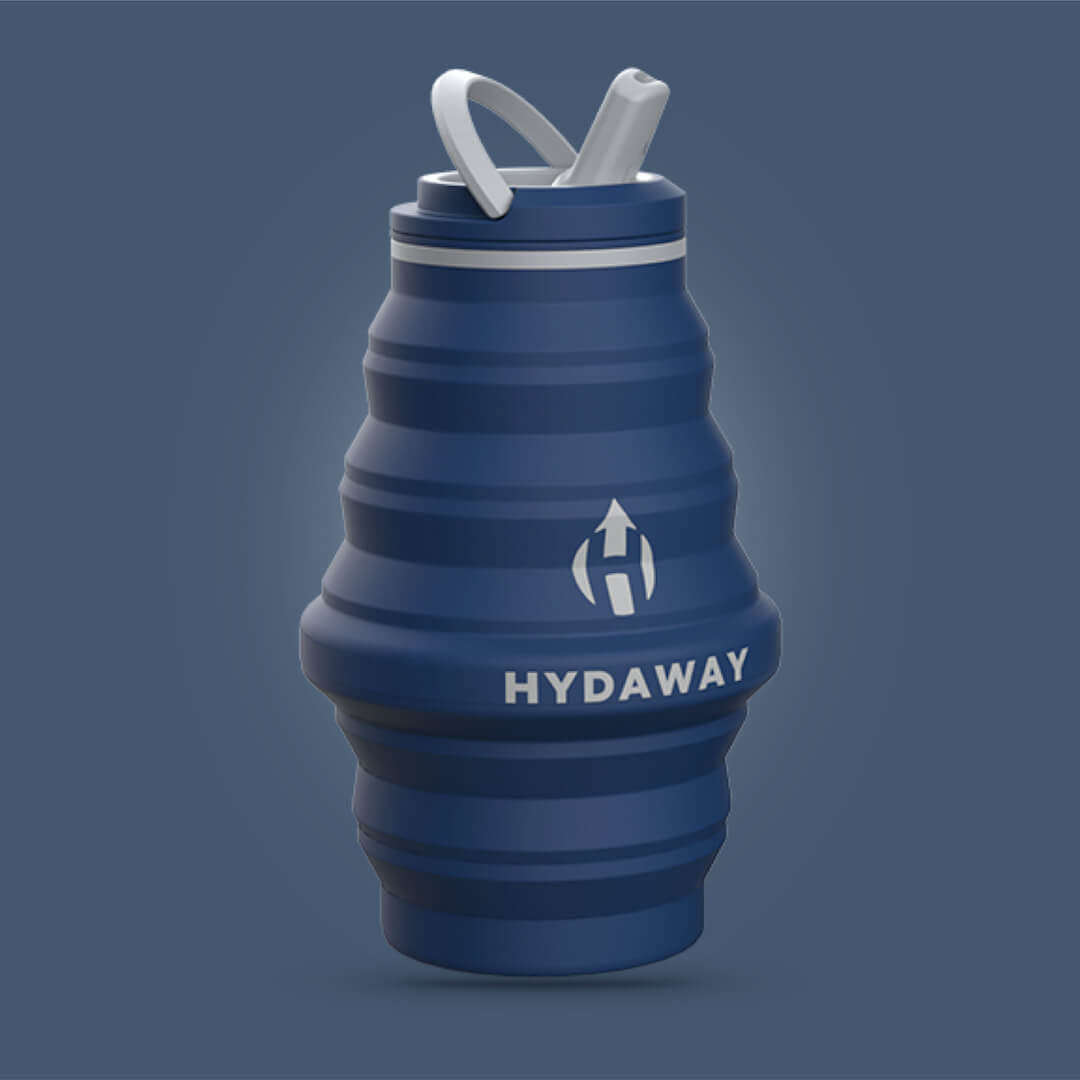
HYDAWAY fits that use well. The brand makes fold-flat bottles and compact drinkware for travel, commuting, hiking, and small-space storage. If you want a practical overview of where that category makes sense, read this guide to the best collapsible water bottles.
For team outings, school groups, or event kits that need reusable drink containers people can identify quickly, this guide to branded water bottles is a useful companion resource.
Hydration Solution Showdown
| Feature | 1-Gallon Beverage Dispenser | HYDAWAY Hydration Kit (2x 25oz Bottles) |
|---|---|---|
| Best use case | Stationary serving at home base | Drinking on the move |
| Packed size | Keeps full rigid shape | Collapses when not in use |
| Table service | Strong | Limited |
| Travel friendliness | Awkward in bags and vehicles | Easier to stash in daypacks and luggage |
| Group self-serve | Yes | No |
| Personal carry | Poor | Strong |
| Fridge flexibility | Can be bulky | Easier to fit around other items |
| End-of-day convenience | Still takes space when empty | Shrinks after use |
My recommendation
Buy the traditional dispenser for hosting, holiday meals, backyard tables, and fixed camp setups.
Choose a compact option for road trips, airport travel, theme park days, vanlife, small apartments, and any trip where every inch of storage matters. A gallon dispenser is a good serving tool. It is not automatically the smart hydration tool for an active life.
How to Pack and Maintain Your Dispenser
Owning a dispenser is easy. Keeping it clean and transporting it without a mess takes a little discipline.

Pack it like breakable kitchen gear, not camping junk
If the dispenser is glass, treat it like a fragile piece of cookware. Don't wedge it loosely between bags and hope for the best. Wrap it, stabilize it, and keep pressure off the spigot.
My packing routine is simple:
- Empty it before transport unless the trip is very short and the lid seals securely.
- Remove or protect the spigot area so side pressure doesn't stress the fitting.
- Use soft goods as padding around the body, especially in bins or car trunks.
- Keep it upright whenever possible.
- Load it last if you need quick access at arrival.
Cleaning is not optional
Hygiene is one of the most overlooked issues with these containers. Without proper cleaning of seals and spigots, users can run into residue buildup, odor retention, and contamination, as highlighted on this Kohl's product page discussing drink dispenser cleaning concerns.
Sugary drinks, fruit slices, tea, and infused water leave more behind than people think. The spigot is the danger zone. That's where sticky liquid hides, dries, and turns gross.
My no-nonsense cleaning routine
- Disassemble the spigot: If it comes apart, take it apart.
- Wash right away: Don't leave sweet residue sitting overnight.
- Scrub seals and threads: That's where buildup clings.
- Air dry fully: Reassemble only when every part is dry.
- Check the smell before storage: If it smells off, clean it again.
If you use bottle-safe cleaning aids for drinkware and hard-to-reach parts, these bottle cleaner tablets can help simplify the routine.
A dispenser that's hard to clean isn't a bargain. It's a future mold experiment.
A quick visual walkthrough helps if you're dealing with valves, seals, or deep cleaning habits:
Best habits for long-term use
The people who stay happy with these dispensers usually do three things well. They clean them right after use. They dry them completely before storage. They don't leave acidic, sugary, or fruit-filled drinks sitting for too long.
If you follow that rhythm, a 1 gallon beverage dispenser stays useful. If you don't, it becomes the sticky jar in the back of the cabinet that nobody wants to touch.
Big Hydration at Home Smart Hydration on the Go
The smartest way to think about a 1 gallon beverage dispenser is as a location-based tool. It's excellent for backyard meals, holiday hosting, cabin weekends, and any setup where people gather around one table. In those moments, it's simple, helpful, and worth the space it takes up.
But movement changes everything. Once your day involves hiking, airports, car trunks, amusement parks, hotel rooms, or van cabinets, rigid drink gear starts working against you. That's when compact, collapsible, easy-to-stash options make more sense than a classic dispenser.
If you're organizing drinks for a family or group, even simple add-ons matter. Something as basic as clear identification can prevent mix-ups, and InchBug waterproof labels are a practical example of that.
The right call is rarely “always use a dispenser” or “never use one.” It's this: use big hydration tools at home base, and use smarter portable systems when the day keeps moving.
If you want hydration gear that takes up less room when the trip gets complicated, take a look at HYDAWAY. Collapsible bottles, drinkware, and packable accessories fit the way people travel now. Less bulk, less wasted space, and fewer compromises when you're trying to carry less and do more.