


Replacement Caps for Water Bottles: A Complete Guide

You’re headed out the door. The backpack is loaded, the snacks are packed, and your water bottle is sitting on the counter with one problem: the cap is cracked, missing, or leaking.
That tiny part can sideline the whole bottle.
For people who travel light, hike often, or spend long days out with kids, a failed cap turns into a real nuisance fast. Water ends up in a backpack. Dust gets into the mouthpiece. The bottle gets left at home because it can’t be trusted. Then a reusable that should’ve lasted keeps getting replaced instead.
A lot of bottle problems start there. Not with the body. With the lid.
Why Finding the Right Replacement Cap Matters
A broken cap feels minor until you’re dealing with the consequences in motion. On a trail, it means a wet pack and less water than you planned for. At an airport, it means fumbling with a bottle that won’t seal before security. At Disneyland, it means buying drinks because the bottle you brought for the family isn’t usable anymore.

That’s why replacement caps for water bottles matter significantly. They keep a good bottle in service. They save you from replacing gear that still has plenty of life left. They also decide whether your bottle is convenient enough to use every day or annoying enough to get tossed in a drawer.
The cap is often the real failure point
A bottle body can survive years of commuting, camping, and being dropped in parking lots. Caps take a different kind of punishment.
They get over-tightened. Hinges snap. Gaskets disappear into the sink. Threads wear down. Straw valves trap residue. If the cap design is hard to clean, smells and buildup show up long before the bottle itself wears out.
That pattern shows up in consumer behavior too. A 2024 survey found that 51% of reusable water bottle users replace their bottles within the first year, with 32% replacing them within six months, primarily due to hygiene issues like odors and mold (EverVessel’s 2024 survey summary).
Practical rule: If the bottle body is sound, solve the cap problem first. Replacing the smallest part usually creates the biggest improvement.
Sustainability starts with keeping gear in use
The whole promise of reusable drinkware is simple. Use one bottle for a long time and stop leaning on disposables. That only works when the bottle stays functional.
In real life, people don’t stop using a bottle because they suddenly dislike reusable gear. They stop because the bottle became frustrating. A cap that leaks, smells, or goes missing breaks the habit.
For outdoor gear, that trade-off matters even more. A cap has to do three jobs at once:
- Seal reliably when the bottle gets tossed into a bag
- Clean easily so it doesn’t develop odor problems
- Handle travel abuse without cracking or loosening
Founding a travel gear company teaches you quickly that portability alone isn’t enough. People need products that work when they’re tired, moving fast, and short on space. A replacement cap is a small component, but it decides whether the bottle still belongs in your routine.
What works better than replacing the whole bottle
Most cap issues fall into a few fixable categories:
| Problem | Usually caused by | Better move |
|---|---|---|
| Leaking in a bag | Wrong fit, worn gasket, damaged threads | Verify thread spec and inspect seal |
| Funky smell | Hidden residue in valve or gasket channel | Disassemble and deep clean |
| Cap won’t tighten | Thread mismatch or stripped cap | Replace with the correct neck finish |
| Lost lid | Detachable design | Switch to a tethered or easier-to-track style |
If you want your gear to last through road trips, flights, camp setups, and everyday errands, don’t treat the cap like an afterthought. It’s the part that keeps the bottle usable.
Anatomy of a Bottle Cap Your Guide to Types and Materials
Not all caps fail in the same way, because not all caps are built to solve the same problem. Choosing one is a lot like choosing footwear. A flip-top is a quick-access sneaker. A plain screw cap is a reliable boot. A straw lid is great in motion, but it adds more parts that need cleaning.

Cap styles and what they’re good at
Some cap types are simple because simplicity is the point. Others add convenience but ask more from you in maintenance.
Screw caps
The standard screw cap is still the most dependable option for travel and transport. Fewer moving parts means fewer things to trap grime or break.
Use one if your main goal is throwing the bottle into a tote, daypack, or glove box without worrying about accidental opening.
Flip-top caps
Flip-tops work well when you want quick access with one hand. They’re useful for commuting, office use, and family outings where you don’t want to unscrew a cap every time.
The trade-off is the hinge. Hinges are practical until they aren’t. Once they loosen or crack, the cap becomes a weak point.
Straw caps
Straw caps let you drink upright. That’s handy when you’re driving, walking, or clipped into a seat on a long trip.
The downside is hygiene. Straws, bite valves, and narrow channels need more attention. If you don’t disassemble them, they’re often where smell problems begin.
Spout caps
Spout lids sit in the middle. They’re easier to drink from during activity than a plain screw cap, but usually simpler than a full straw system.
They’re a solid choice for gym use, shorter hikes, and situations where controlled flow matters.
Tethered caps
Tethered caps are worth watching because they solve a basic but common failure: losing the cap in the first place. Driven by EU regulations, tethered bottle caps have become a global standard, and over 20 million caps have been collected from beaches worldwide in the last three decades (Greyb on bottle cap and closure trends).
That matters beyond single-use packaging. The reusable lesson is obvious. A cap that stays attached is harder to lose at a refill station, in a campground sink, or while wrangling kids at a theme park.
A cap you can’t misplace solves a surprising number of “my bottle stopped being useful” problems.
Materials matter more than people expect
A cap’s material affects taste, durability, weight, and how easy it is to keep clean.
Here’s the quick field guide:
-
Polypropylene (PP)
Common, durable, and a sensible choice for many replacement caps. It handles regular use well and is widely used in food-contact applications. -
HDPE or food-grade polyethylene
Often used where some flexibility helps. It can be useful in parts that need a bit of give without becoming fragile. -
Silicone
Best used for seals, gaskets, and soft contact points. It improves leak resistance, but soft components need regular inspection because they can hold residue if neglected. -
Stainless steel
Useful when taste neutrality and rigidity matter. It feels premium, but stainless alone doesn’t solve leaks. The seal still depends on the interface, liner, and fit.
Match the cap to your actual day
The right cap isn’t the one with the most features. It’s the one that survives your routine.
| Your routine | Cap type that usually fits | Main trade-off |
|---|---|---|
| Commuting and office carry | Flip-top or screw cap | Flip-top adds hinge wear |
| Hiking and rough transport | Screw cap | Slower access when drinking |
| Driving or stroller walks | Straw cap | More cleaning steps |
| Family travel and refill stations | Tethered or simple screw cap | Fewer style choices |
| Gym sessions | Spout cap | Can be less secure if poorly designed |
If you care about sustainability, simplicity usually wins over novelty. The cap that’s easiest to clean and hardest to lose is often the cap that stays in service longest.
The Secret to a Leak-Proof Seal Measuring for a New Cap
Shoppers often look for a replacement lid by brand name first. That’s understandable, but it’s not enough. Caps seal through geometry, not wishful thinking.
A bottle cap works like a nut on a bolt. If the thread size looks close but isn’t exact, it may catch for a turn or two and still fail when the bottle tips, gets squeezed in a backpack, or rides through a pressure change.

What 28-400 actually means
You’ll often see replacement caps for water bottles labeled with a spec like 28-400. In that system, 28 refers to the 28 mm neck diameter, and 400 refers to the thread style. A mismatch matters. A 28-400 cap on a 28-410 bottle won’t create a proper seal and can leak (Alibaba’s guide to water bottle cap replacement).
That’s the first technical lesson worth remembering: matching diameter isn’t enough. Thread style has to match too.
How to measure your bottle neck
You don’t need a machine shop. You do need patience and a decent look at the bottle opening.
Step 1
Clean the neck and threads first. Old residue can hide damage and throw off your measurement.
Step 2
Measure the outer diameter of the bottle neck. A digital caliper is the cleanest tool for this, but a tape measure can help you get close if that’s all you have.
Step 3
Inspect the thread shape. Count how tall the threaded section appears, and compare how tightly or loosely the turns are spaced.
Step 4
Check for markings on the original cap or bottle. Some manufacturers mold identifiers into the plastic.
Step 5
Inspect the sealing surface. Even a correctly sized cap won’t seal if the bottle neck is warped, chipped, or scarred where the liner or gasket should contact.
A quick compatibility table
| What you’re checking | Why it matters | What failure looks like |
|---|---|---|
| Neck diameter | Determines basic size match | Cap won’t start or sits crooked |
| Thread style | Determines engagement and seal | Cap seems to fit but leaks |
| Neck condition | Affects gasket contact | Drips despite proper tightening |
| Liner or gasket seat | Creates final barrier | Slow seepage during transport |
Workshop habit: Don’t test a new cap with a sip. Fill the bottle, tighten it, turn it upside down over a sink, then leave it on its side for a while.
That’s how people discover whether they bought a cap that only “sort of” fits.
Why leaks happen even with a cap that screws on
This is the part many listings don’t explain well. A cap can thread onto the bottle and still fail because thread engagement and seal compression are different jobs.
The threads pull the cap down. The gasket or liner creates the barrier. If the threads are slightly wrong, the seal doesn’t compress evenly. That’s when you get the maddening leak that only appears after the bottle has been in your bag for an hour.
If leak resistance is your top priority, it helps to study what a good sealed bottle looks like in use. This breakdown of leak-proof travel bottles is useful because it focuses on the design details that affect carry confidence.
A short visual can also help if you’re trying to identify neck finish differences by eye:
The fastest way to avoid buying the wrong cap
When in doubt, work in this order:
- Start with measurement instead of brand assumptions
- Compare thread specs rather than just mouth diameter
- Inspect the old cap for liner type, gasket shape, and wear pattern
- Test before travel so you’re not discovering problems on the road
The best replacement cap is not the one that looks close. It’s the one that matches the bottle neck exactly and seals under real-world use.
Troubleshooting Leaks Odors and Other Cap Catastrophes
A bottle cap usually gives you clues before it completely fails. The trick is knowing which symptom points to which problem.
A leak after a flight doesn’t have the same cause as a smell that won’t wash out. A cap that suddenly cross-threads doesn’t need the same fix as a flip lid that won’t stay shut. Treating every issue the same is why people end up replacing a whole bottle when only one component is compromised.
When the bottle leaks in your bag
The most common leak isn’t dramatic. It’s the slow, sneaky kind that leaves a damp notebook or a wet sweatshirt.
The root causes are usually one of these:
- The gasket is missing
- The gasket is twisted or flattened
- The cap is the wrong thread spec
- The neck rim has damage
- The cap was closed while residue sat on the sealing surface
Advanced BPA-free caps often rely on silicone gaskets to hold a seal under pressure from backpack compression or altitude changes. Without a proper gasket, a bottle can lose 20 to 30% of its liquid from micro-gaps created by pressure imbalances (Aquasana replacement bottle cap details).
If your bottle leaks only on hikes, road trips, or flights, look at the gasket first. Pressure exposes weak seals quickly.
If the leak appears only when the bottle is horizontal, assume the seal is failing, not the bottle body.
When the cap smells even after washing
Odor is rarely “just plastic.” Most of the time, something is trapped.
Check these spots:
| Problem area | What gets trapped there | Fix |
|---|---|---|
| Under gasket | Water film, residue, biofilm | Remove gasket and scrub channel |
| Straw or bite valve | Drink residue and moisture | Disassemble and soak, then brush |
| Flip hinge recess | Grime and soap residue | Use a narrow brush or cloth corner |
| Thread roots | Dried minerals or drink splash | Scrub threads with a small brush |
If the cap has multiple hidden cavities and you can’t fully access them, that design may be a poor match for how you use the bottle. For plain water, simpler caps usually stay fresher with less effort.
When threads feel rough or won’t catch
Stripped threads don’t always mean total failure. Sometimes debris in the threads creates the same feeling.
Try this sequence:
-
Rinse and brush both thread sets
Mineral buildup and dried drink residue can make a good cap feel cross-threaded. -
Start the cap gently
Turn it backward until you feel the threads drop into place, then tighten forward. -
Stop forcing it
If it needs muscle, the thread match may be wrong. -
Inspect for deformation
Plastic threads can flare after drops or heat exposure.
A cap that only catches at an angle is usually done. Keep forcing it and you risk damaging the bottle neck too.
When a hinge or latch breaks on the road
Feature-heavy lids lose ground in this area. Hinges and latch tabs are convenient, but they create small failure points that aren’t easy to repair mid-trip.
A few field fixes can help temporarily:
- Use the bottle upright only if the closure no longer locks
- Transfer the bottle to an outer pocket instead of an interior bag compartment
- Wrap the cap area for temporary splash control until you reach a replacement
That’s a temporary measure, not a trustable long-term fix. Once the closure mechanism is broken, the bottle becomes situational gear rather than reliable gear.
What works better over time
For active travel, the most dependable caps tend to share a few traits:
- Simple sealing path
- Accessible gasket
- Threads that engage cleanly
- Fewer hidden cavities
- A shape that’s easy to inspect
That’s the trade-off with replacement caps for water bottles. More convenience can mean more maintenance. More moving parts can mean more failure points. If your bottle lives in a hiking pack, day bag, stroller caddy, or van door pocket, boring reliability beats clever complexity almost every time.
How to Keep Your Water Bottle Cap Clean and Hygienic
Good cleaning habits make replacement caps last longer and stay pleasant to use. Most cap hygiene problems don’t come from dramatic neglect. They come from tiny areas people never fully open, dry, or inspect.
If your bottle travels with you every day, clean the cap on purpose. Don’t just rinse the visible surfaces and call it done.

A simple maintenance rhythm
You don’t need a complicated system. You need a repeatable one.
Daily
Rinse the cap with warm water after use. If you used anything besides plain water, wash it with mild soap that day.
Leave the cap open or disassembled enough to dry fully. Trapped moisture is what lingers.
Weekly
Do a deeper wash. Remove the gasket if it’s designed to come out safely. Clean the gasket groove, underside of the cap, thread area, and any spout or straw components.
For people who use tablets for deep bottle maintenance, this guide to bottle cleaning tablets is useful because it helps when hand washing alone isn’t clearing odor from hard-to-reach areas.
Monthly
Inspect the cap for wear. Look for flattened seals, small tears, cloudy buildup that won’t scrub away, and any change in how the cap tightens.
If you use filtered water systems at home, this is also a good time to check the rest of your hydration setup. People who maintain pitchers and dispensers often benefit from replacing filtration parts on schedule too, and a practical reference for that is replacement Brita filters.
What to disassemble and what to leave alone
Not every cap should be pulled apart completely. But any part designed to be removed for cleaning should come off regularly.
Focus on these parts first:
- Silicone gaskets because they sit at the actual seal point
- Straws and bite valves because residue hides inside them
- Flip-top undersides because splashback dries there
- Threaded areas because grime can mimic wear
If a cap has a non-removable mechanism with narrow internal channels, be realistic about how clean you can keep it. For plain water, a simpler design often makes more sense.
Cleanability is part of performance. A cap that seals well but traps residue isn’t practical for long-term use.
Hand washing versus dishwasher cleaning
Dishwasher-safe caps save time, especially in busy households or on repeat travel weeks. They’re helpful when you want a no-fuss reset.
Hand washing gives you better inspection. You’ll notice a nicked gasket, a cracked hinge, or buildup in the thread roots before it becomes a leak.
A good routine uses both. Dishwash for convenience when the cap is rated for it. Hand wash when something smells off, feels sticky, or needs a closer look.
The habits that prevent most odor problems
This short list solves more than people expect:
| Habit | Why it helps |
|---|---|
| Empty the bottle at day’s end | Stops stagnant water from sitting in the cap |
| Dry with airflow | Reduces trapped moisture in recesses |
| Store caps open when possible | Prevents musty smell from sealed dampness |
| Use a small brush | Reaches threads, grooves, and valve openings |
A clean cap doesn’t just feel better. It keeps your reusable bottle easy to trust, which is what keeps it in your bag instead of replaced by something disposable on the go.
Finding Authentic HYDAWAY Lids and Verifying Fit
Generic replacement caps can work well when the bottle uses a common neck finish and standard geometry. But collapsible bottles are a different category. Once the body compresses, flexes, and folds for travel, the lid has to match that design closely.
That’s where authenticity matters.
Why genuine parts are worth checking for
A replacement lid isn’t just a disc with threads. It has to match the bottle opening, the seal profile, and the way the bottle behaves under use.
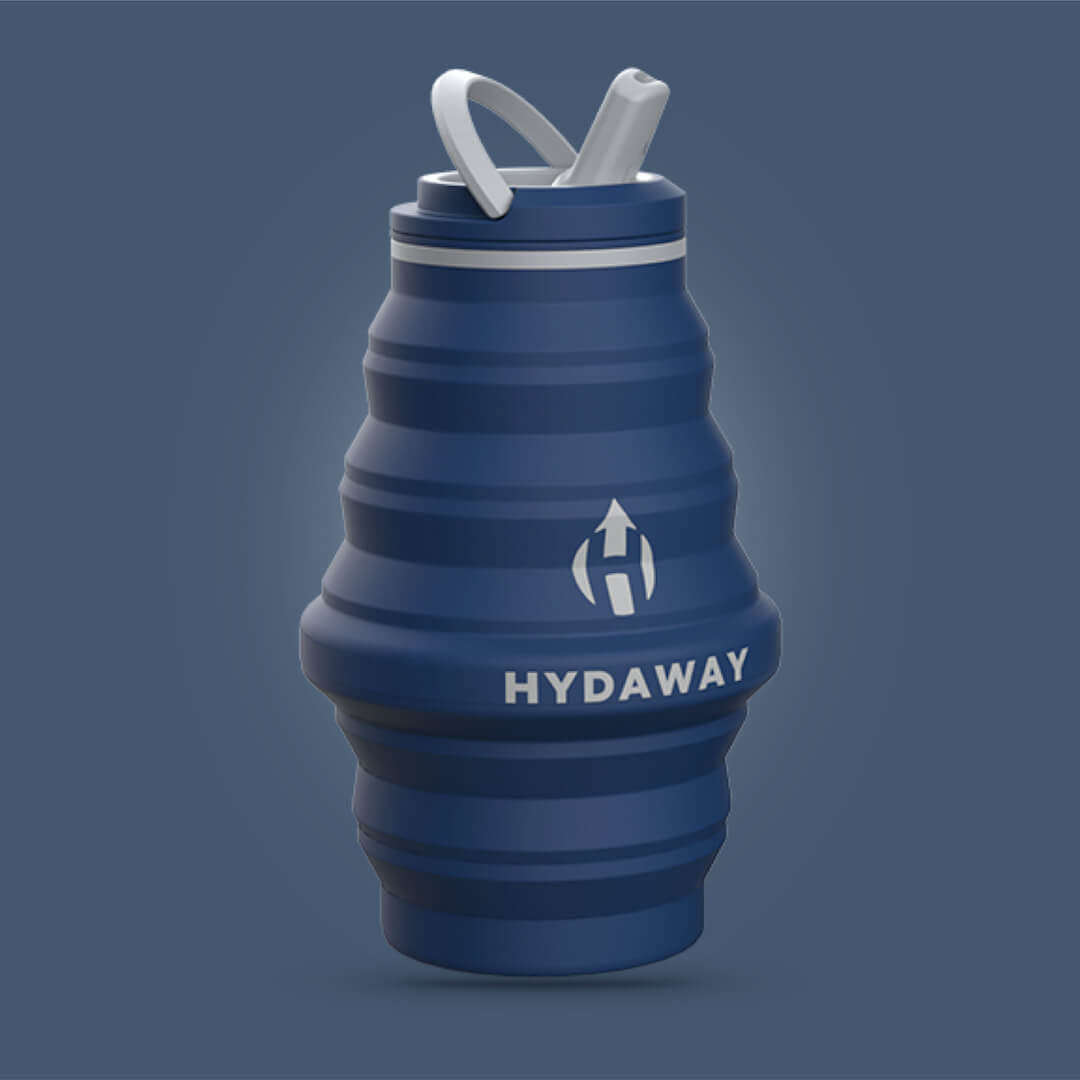
For collapsible bottles, a genuine lid is the cleanest route because it avoids guesswork around fit. If you’re matching a lid to a HYDAWAY bottle, the official product details for the 17oz bottle help you verify which model you own before ordering a part.
That matters more than it sounds. People often remember the bottle color, not the exact size or generation.
The transparency gap with generic listings
One reason people get frustrated with replacement caps is that many listings tell you almost nothing useful. They’ll say “fits most bottles” or “BPA-free” and stop there.
That lack of detail is a real issue. A 2025 report found that 60% of users want recycled content in caps, but only 12% of caps offer it, and the same gap in transparency pushes eco-conscious shoppers back toward single-use options instead of helping them maintain reusable gear (Walmart replacement caps market page summary).
When you’re evaluating a replacement lid, ask practical questions:
- Is fit clearly stated for a specific bottle or neck standard
- Are materials identified beyond vague marketing
- Can you confirm the seal design
- Is the cleaning method clear
- Can you tell whether the seller understands the product
A better buying checklist
Use this before you order:
| Check | Why it matters |
|---|---|
| Exact bottle model | Prevents buying by appearance alone |
| Lid style | Different drinking preferences need different closures |
| Seal details | Leak resistance depends on more than threads |
| Material info | Helps you judge durability and cleaning routine |
| Seller credibility | Reduces the chance of a poor-quality copy |
One practical option in this category is HYDAWAY’s own replacement lids, which are made for its collapsible bottle format and are described as compatible across HYDAWAY bottles. That kind of direct compatibility is useful when the bottle design isn’t a generic hard-shell shape.
For any reusable bottle, authentic parts make the most sense when the product geometry is unusual, the seal design is specific, or you need confidence before a trip. Saving a few dollars on a generic cap isn’t a win if it leaks on day two of a vacation.
Your Replacement Cap Questions Answered
Can I use a cap from a different brand on my bottle
Sometimes, yes. Often, no.
If the bottle uses a standardized neck finish and the replacement cap matches both diameter and thread style, cross-brand use can work. If you only match the opening width and ignore the thread profile, you’re guessing.
The safest approach is to verify the neck spec first, then test the cap at home with a full leak check before taking it anywhere important.
What’s the fastest temporary fix for a broken cap while traveling
Temporary fixes should focus on containment, not trust.
If the cap still threads on but won’t fully seal, keep the bottle upright, use an exterior pocket, and avoid tossing it into luggage. If the drinking feature breaks but the main closure still holds, treat it like a transport container, not an active-use bottle.
If the threads are damaged or the seal is gone, it’s time to stop relying on that cap. A field fix can get you through the day, but it won’t replace proper fit.
Buy yourself time with a temporary workaround. Don’t mistake it for a real repair.
When should I replace the whole bottle instead of just the cap
Replace the bottle when the bottle itself is compromised.
That usually means:
- The neck is warped or chipped
- Threads on the bottle body are damaged
- The bottle wall has cracks or structural failure
- The bottle can’t be cleaned properly anymore
- The closure area no longer holds a seal even with the correct new cap
If the problem lives only in the lid, replacing the cap is usually the smarter move.
Are simple caps better than feature-heavy lids
For many travelers, yes.
A simple screw cap is easier to clean, easier to inspect, and usually less likely to fail. Feature-heavy lids can be convenient for drinking on the move, but each hinge, straw, valve, and latch adds one more maintenance point.
The right choice depends on where convenience matters most to you. If the bottle spends more time moving in a bag than in your hand, simpler is often better.
What should I carry as a backup on longer trips
Carry the small parts that are hardest to improvise.
A spare gasket is useful if your cap design allows replacement. If you’re using a bottle in remote travel, it also helps to bring a backup cap or at least know exactly which replacement you need before leaving.
That prep sounds small. It’s the kind of small detail that keeps one broken component from disrupting your whole day.
How do I know a cap is really clean
You’re looking for more than “looks fine.”
Check for three things: no lingering smell, no visible film in grooves or under seals, and no sticky feel around the threads or mouthpiece. If the cap still smells musty after a proper wash and full drying cycle, residue is probably still trapped in a hidden area or the material has absorbed odor over time.
At that point, deeper cleaning may help. If it doesn’t, replacement makes sense.
If you’re trying to keep your gear in service longer, pack lighter, and avoid replacing a whole bottle over one failed part, take a look at HYDAWAY. The brand focuses on collapsible travel-ready hydration gear built for everyday use, outdoor trips, and the kind of routines where cleanability, packability, and reliable closures matter.